How My Lightroom Editing Style Changed Over Time
When I look at older edits of my photos today, I often notice small but important differences in how I approached image editing. The changes are not dramatic. In many cases, the images still look quite similar at first glance. But over time, my editing style has slowly shifted toward a calmer and more natural look.
This change did not happen overnight. It developed gradually through experience, reflection, and by revisiting older images with a different perspective. In this article, I want to explain how my editing style evolved and what I learned during this process.


How I Edited My Photos In The Past
In the past, my editing workflow focused strongly on clarity and visibility. When editing a photo, my instinct was often to make the image brighter and more balanced overall. Shadows were lifted so that more details became visible, and colors were sometimes slightly increased to make the scene appear more vibrant.
This approach worked well in many situations. The images felt clear and visually strong, and every part of the scene was easy to see. But over time I started to realize that this approach sometimes reduced the natural atmosphere of a photograph. When every shadow is lifted and every color is intensified, images can lose some of their depth and mood. The photo becomes technically clean, but sometimes less emotionally interesting.
When Editing Is No Longer Controlled by Light
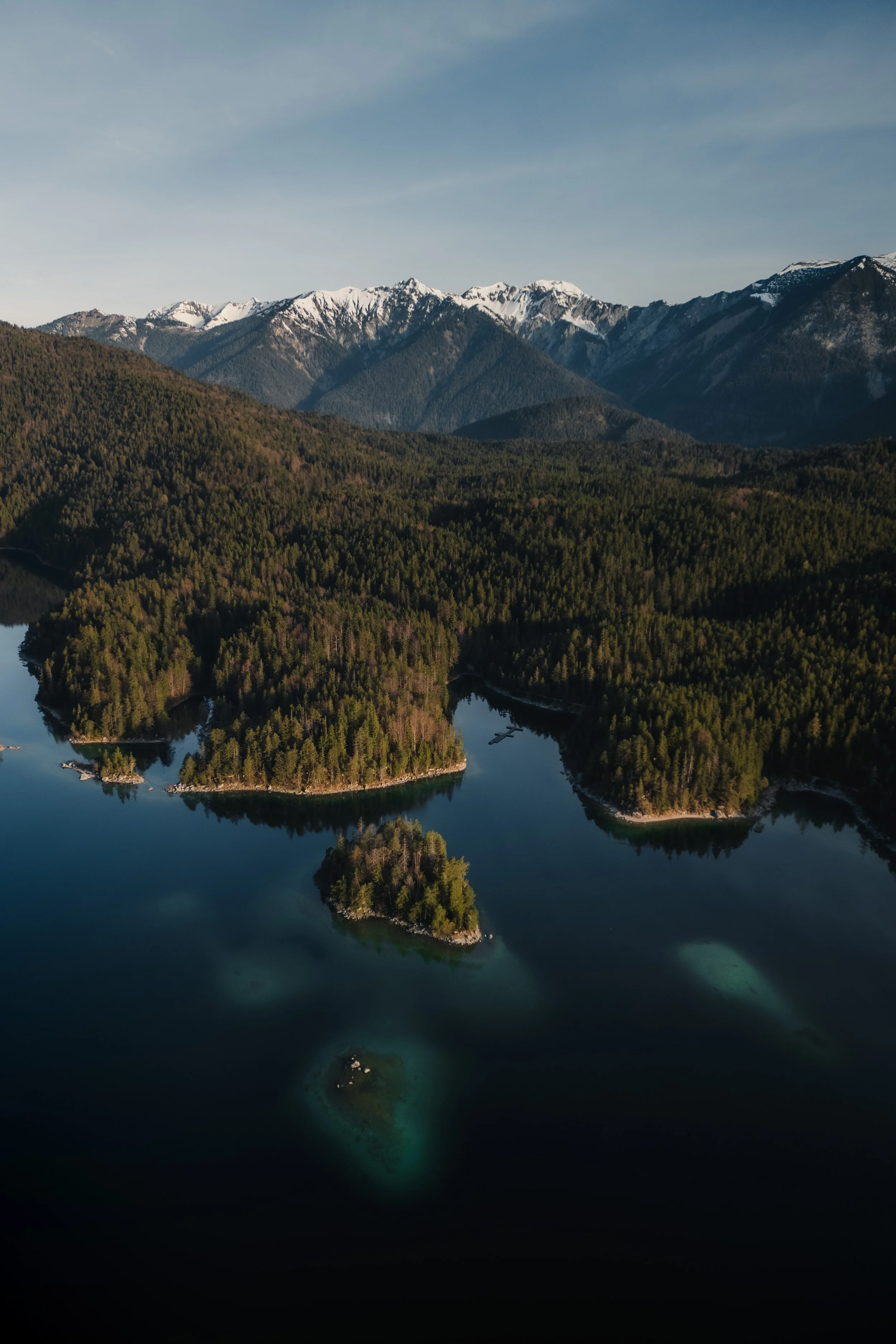
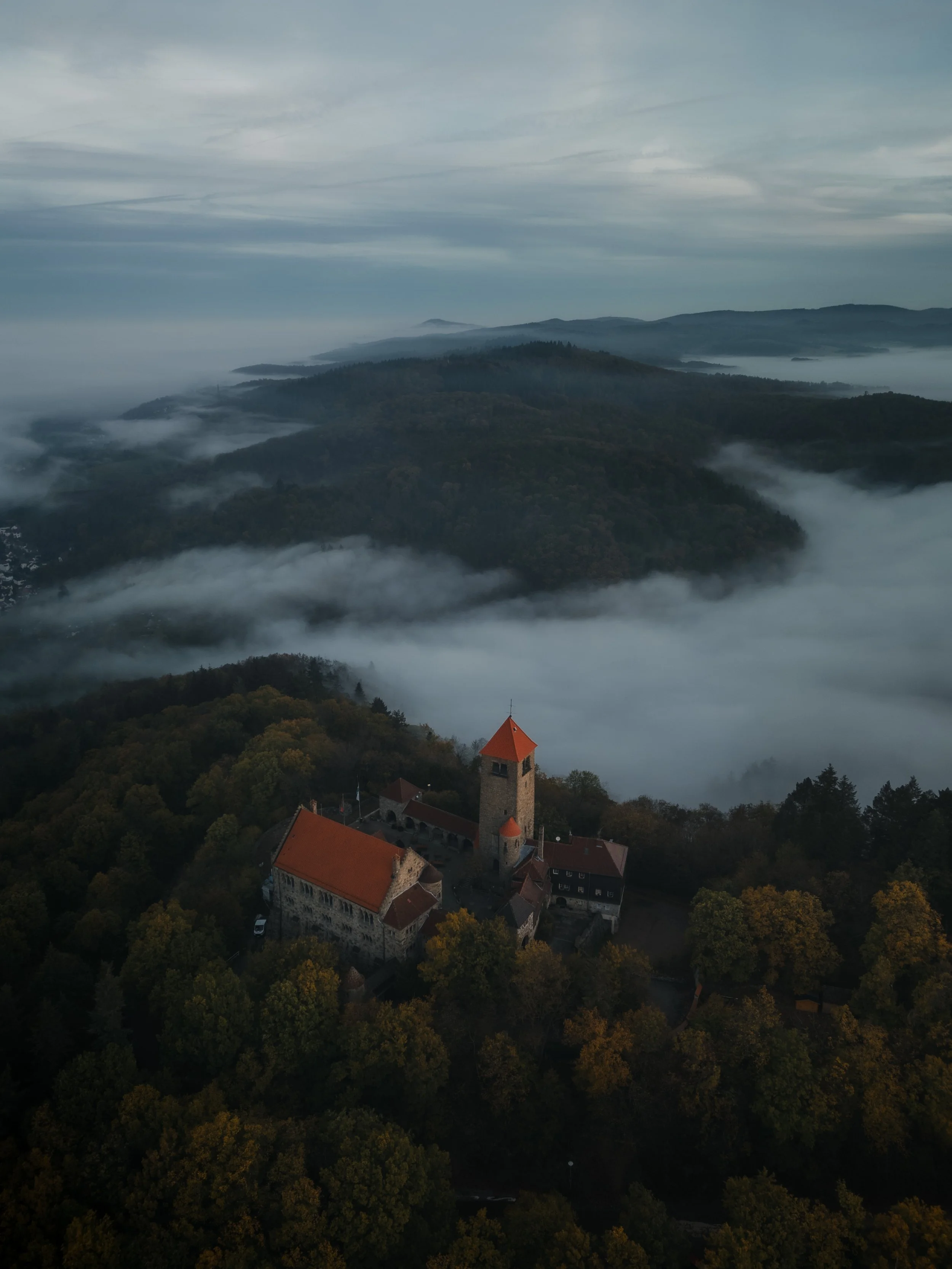
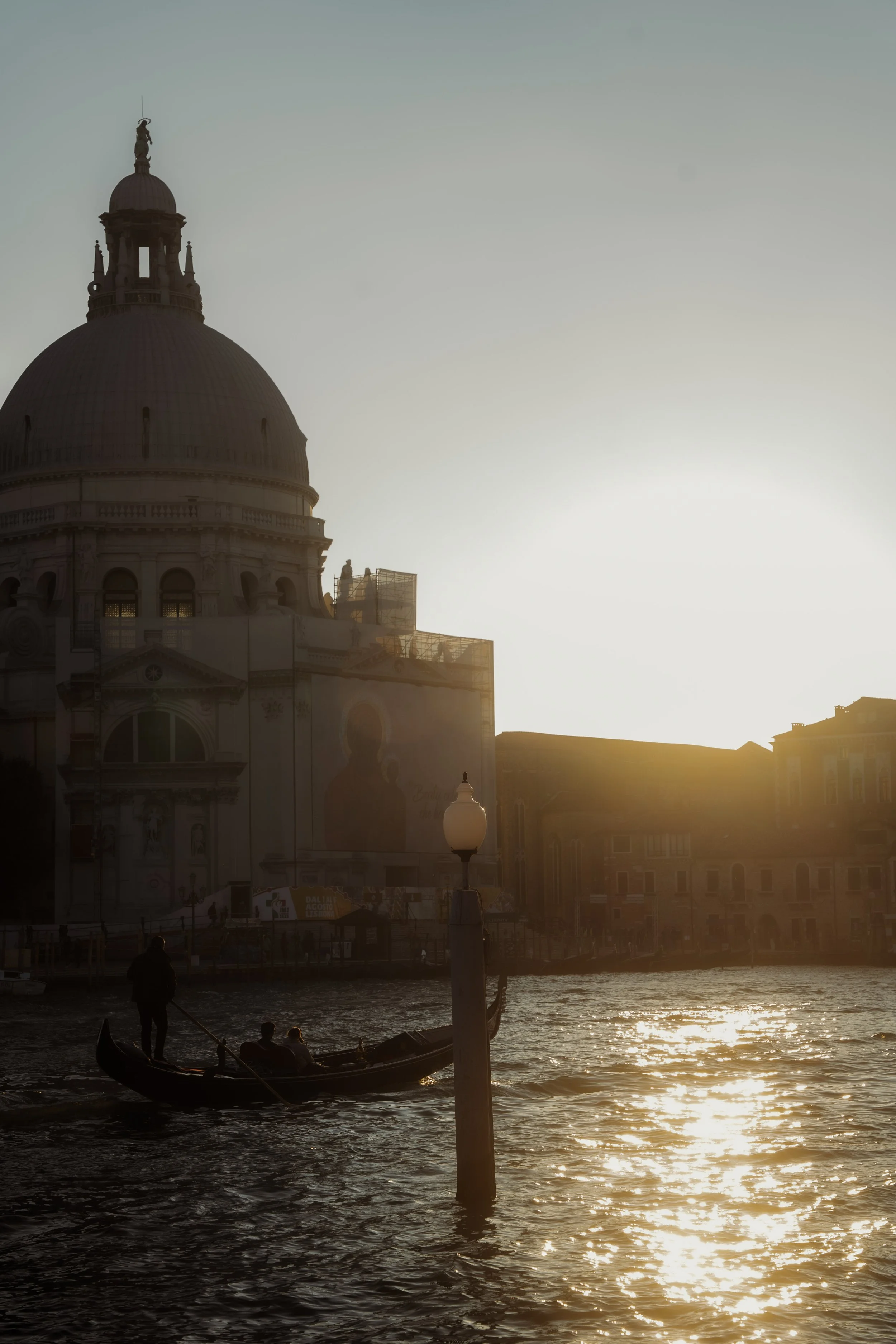
Calm light and soft tones often create a stronger atmosphere than dramatic lighting conditions.
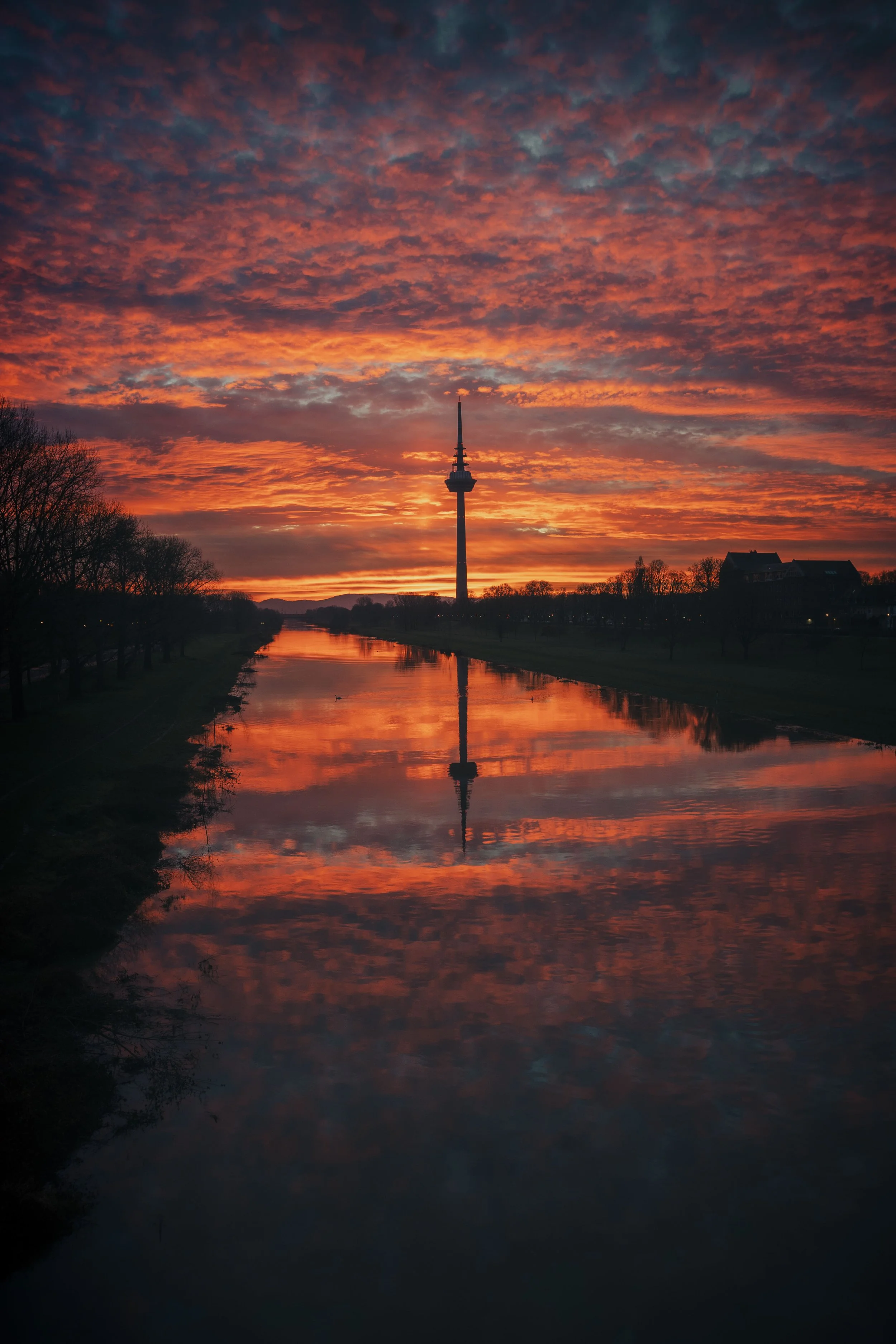
Another important shift in my editing style did not start in Lightroom. It started while photographing. For a long time, many of my images were strongly connected to specific lighting conditions. Sunrise, golden hour, dramatic skies, strong side light. These situations naturally produce photographs that immediately attract attention.
There is nothing wrong with that. But over time I noticed that this approach also creates a subtle dependency. When the light is spectacular, the photo almost edits itself. But when the light is calm or neutral, the image suddenly feels weaker — even if the scene itself is interesting.
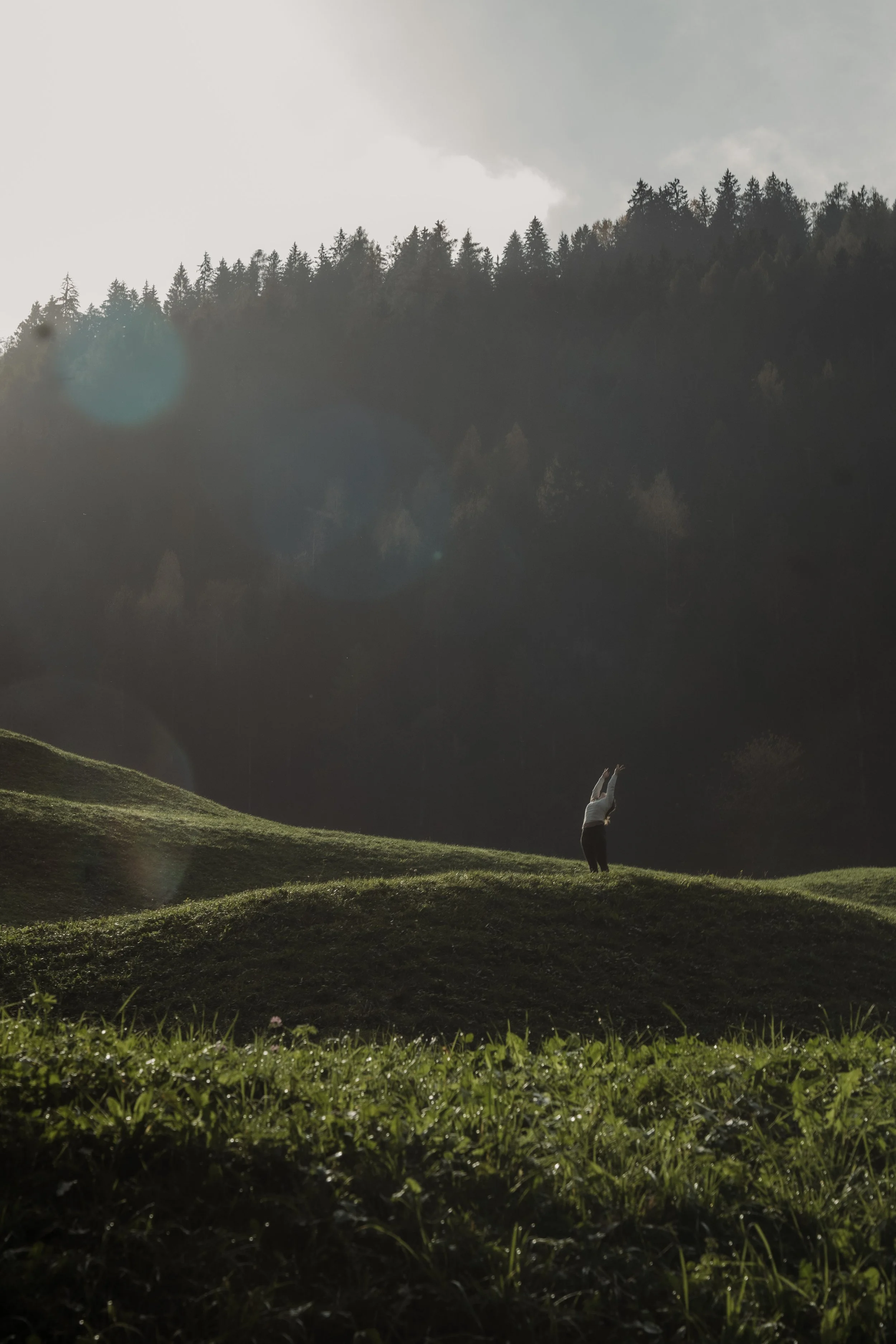
During several recent projects I realized that my approach had slowly changed. Some of the scenes were quiet. No dramatic sunrise. No strong contrast. Just soft light, muted colors, and a calm atmosphere. When I started editing these images, the same question appeared again and again:
Is this too dark?
But after looking more carefully, I noticed something important. The images were not actually darker. They simply followed the light that was present in the scene. My reference point had shifted.
Instead of trying to prove the presence of light, I started using it more consciously. Some shadows remain deeper, highlights stay softer, and the image becomes more about atmosphere than brightness. This change made editing feel much more stable. The result no longer depends on spectacular conditions or dramatic moments. It depends on how carefully you observe the light that is already there.
What Made Me Rethink My Editing Style
Another important step in this process was revisiting older photos. When I looked again at images I had edited years earlier, I often felt that the original scene contained more atmosphere than my previous edit suggested. The natural light was softer. The shadows were deeper. The colors were more subtle. In many cases I realized that I had tried to “improve” the image by making it brighter and more balanced, while the real character of the scene came from its natural contrast and mood. This observation slowly changed how I approached editing. Instead of correcting every shadow or balancing every tone, I started asking a different question:
What did the light actually feel like in this moment?
The Principles Behind My Current Editing Style
Today my editing approach follows a few simple principles that I try to apply consistently.
Follow the natural light
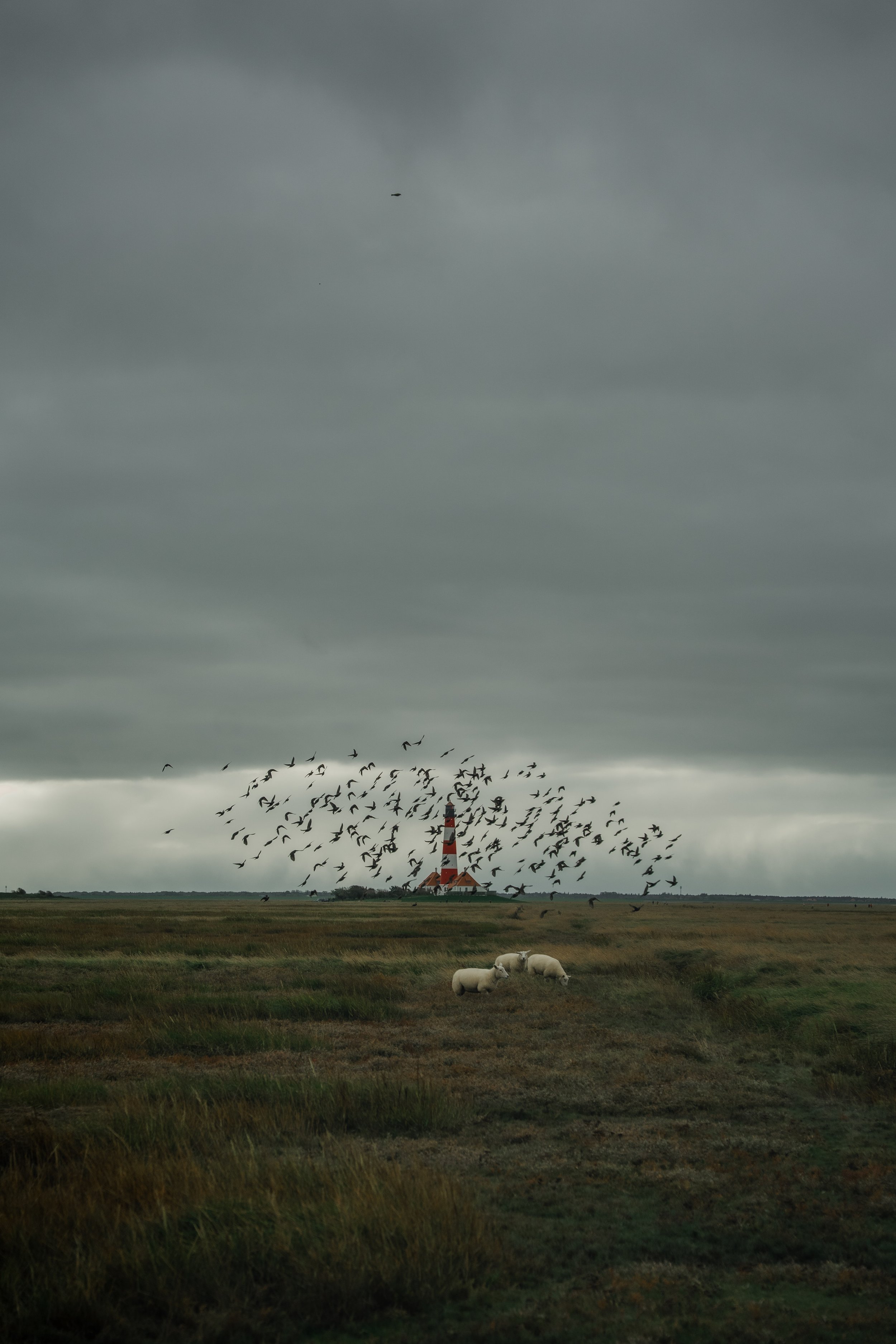
Instead of balancing every part of the image, I try to follow the direction of the natural light. If sunlight only illuminates part of the scene, I allow other areas to remain darker. This often makes the image feel more realistic and atmospheric.
Preserve shadows
Shadows are not a problem that needs to be fixed. They create depth and structure in a photograph. Keeping shadows slightly deeper often makes the brighter parts of the image stand out more naturally.
Reduce unnecessary color intensity
In many of my older edits, colors were slightly stronger. Today I usually prefer a calmer color palette. When colors are more restrained, the image often feels more timeless and less artificial.
Focus on atmosphere instead of brightness
Instead of trying to reveal every detail in a scene, I focus more on preserving the overall atmosphere. Sometimes this means allowing parts of the image to remain softer or darker. But this often makes the photograph feel closer to the real moment.
What The Before-And-After Series Shows
To better understand these changes, I started revisiting many of my older images and editing them again using my current approach.
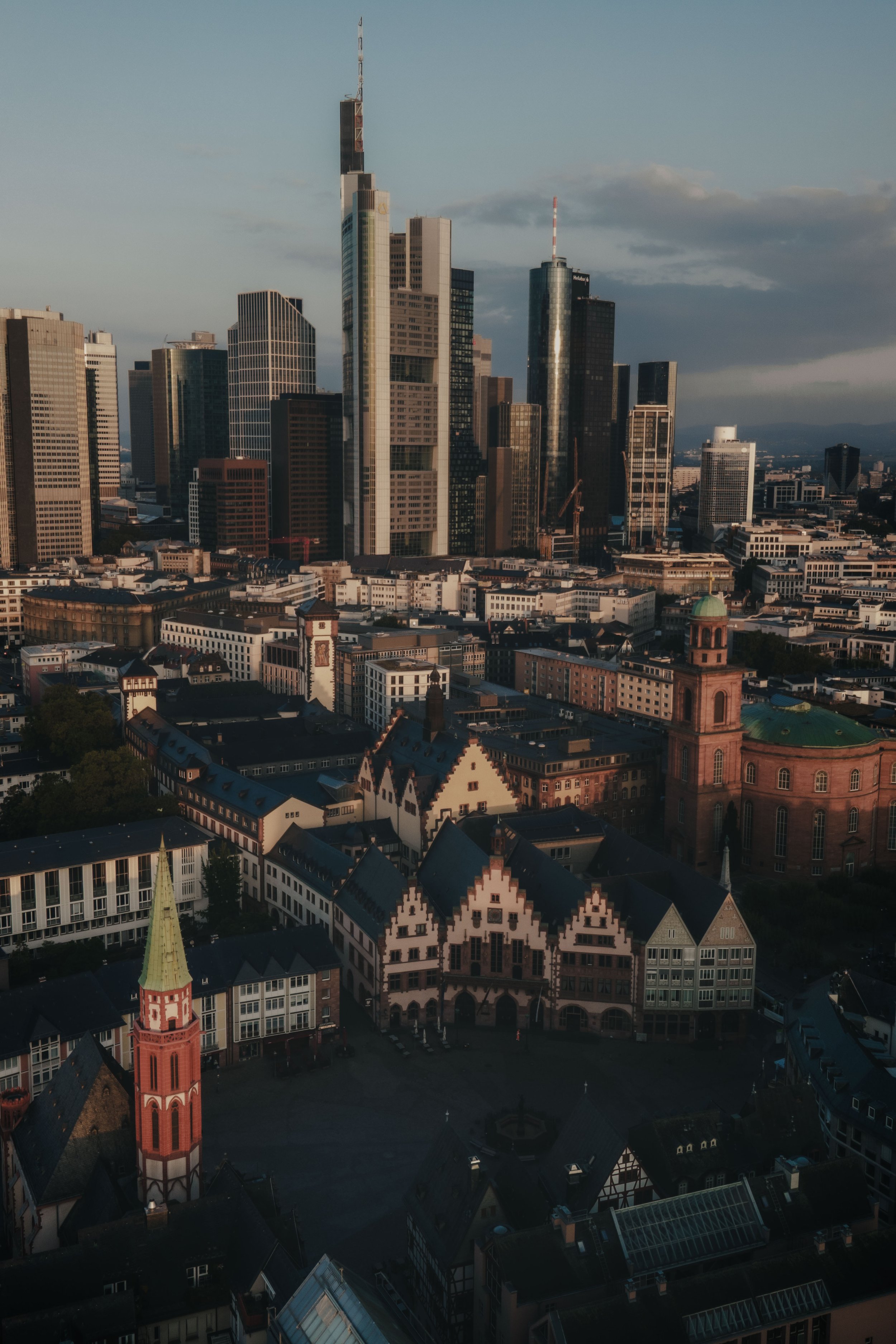
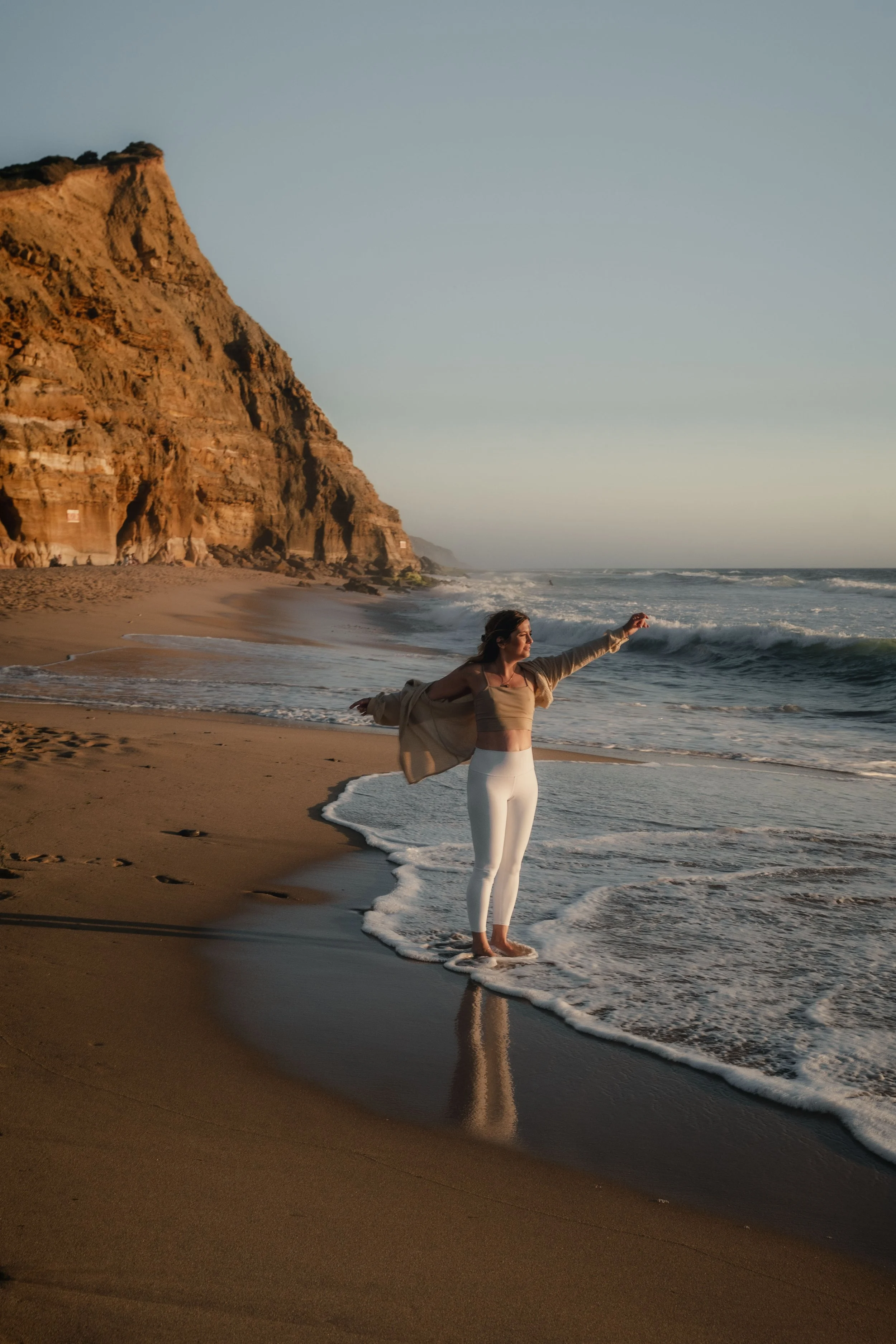
In the before-and-after articles on this blog, you can see how small adjustments in brightness, contrast, and color can completely change the feeling of a photograph. Across landscapes, coastal scenes, cities, and portraits, a clear pattern appears. Older edits often focused on brightness and clarity. Newer edits focus more on atmosphere, light, and tonal depth. The differences are often subtle, but together they show how an editing style can evolve over time.
Why Developing Your Own Editing Style Matters
Many Lightroom tutorials focus on exact slider settings or ready-made presets. These tools can be helpful, but they rarely lead to a consistent and personal editing style. In my experience, a real editing style develops slowly. It grows through practice, by revisiting older work, and by learning to observe light more carefully. Over time the goal becomes less about applying specific settings and more about understanding what the image needs. A consistent editing style begins to connect very different scenes — landscapes, cities, and portraits.
Learning To Build Your Own Editing Style
If you want to develop your own Lightroom workflow step by step, the most important thing is to focus on the fundamentals of light, color, and contrast. Instead of relying on presets, try to understand how each adjustment changes the atmosphere of an image. In my Lightroom course, I explain this process in more detail and show how I approach editing from the first adjustments to the final look.
The goal is not to copy a specific style, but to help you develop a workflow that allows you to create your own.
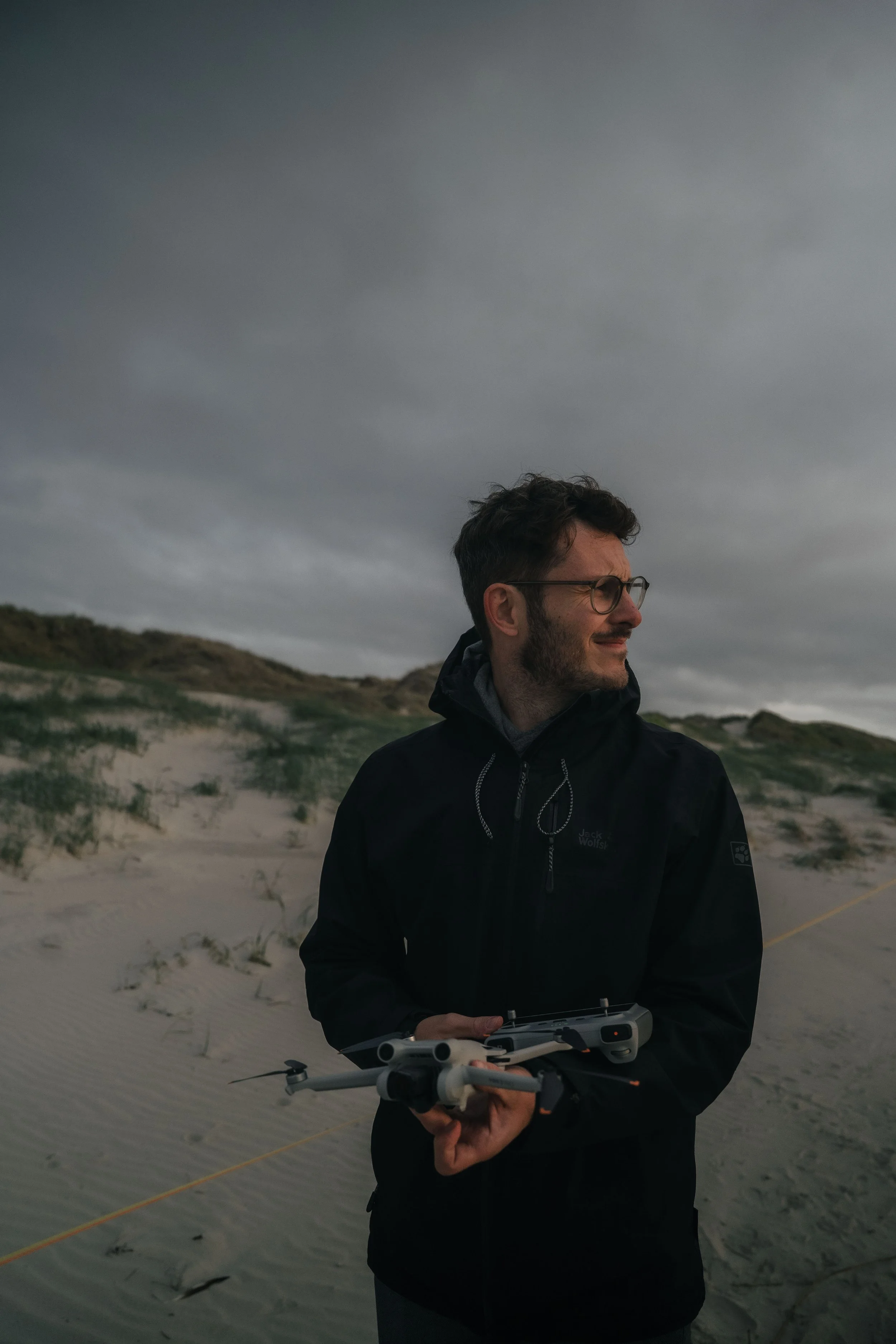
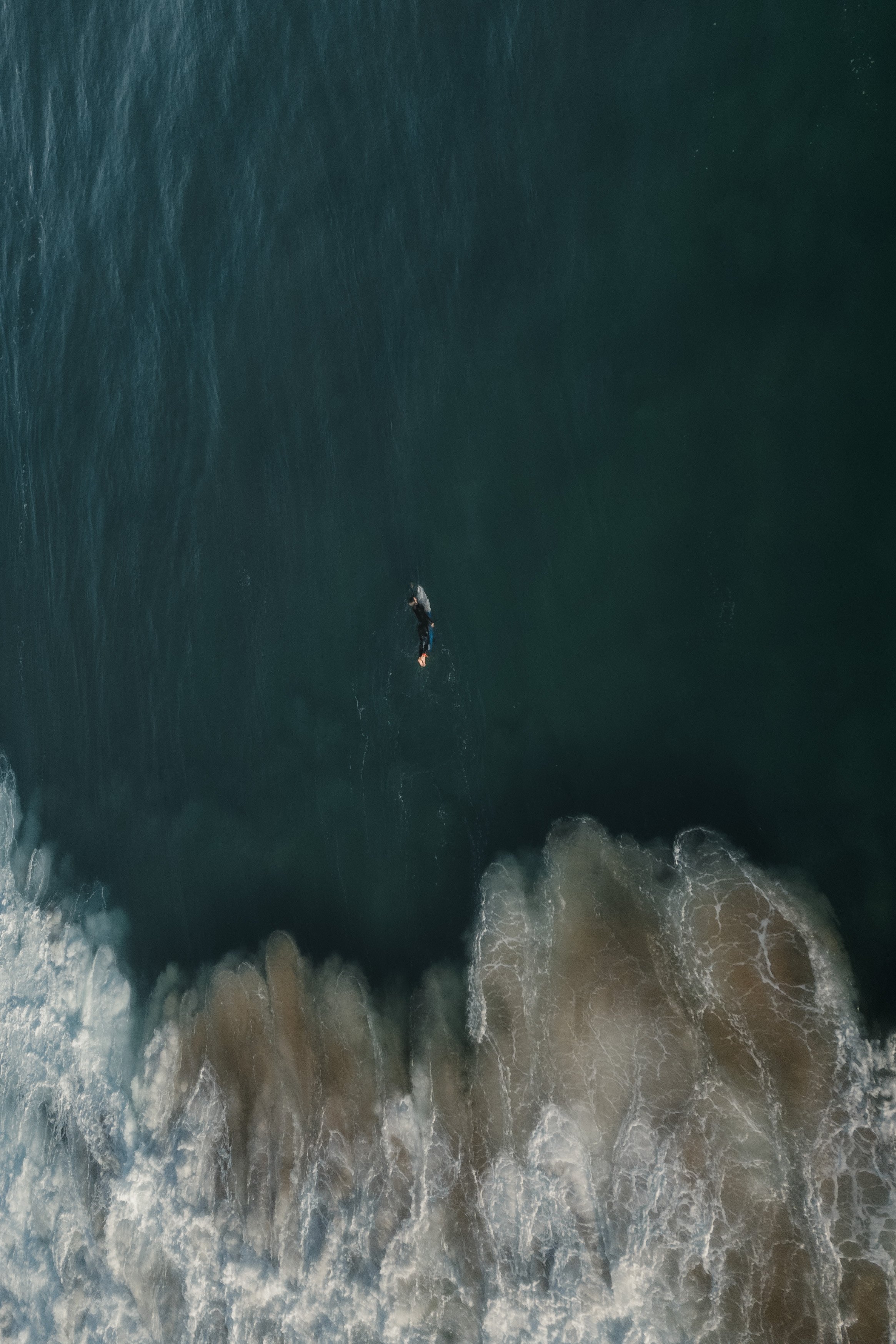
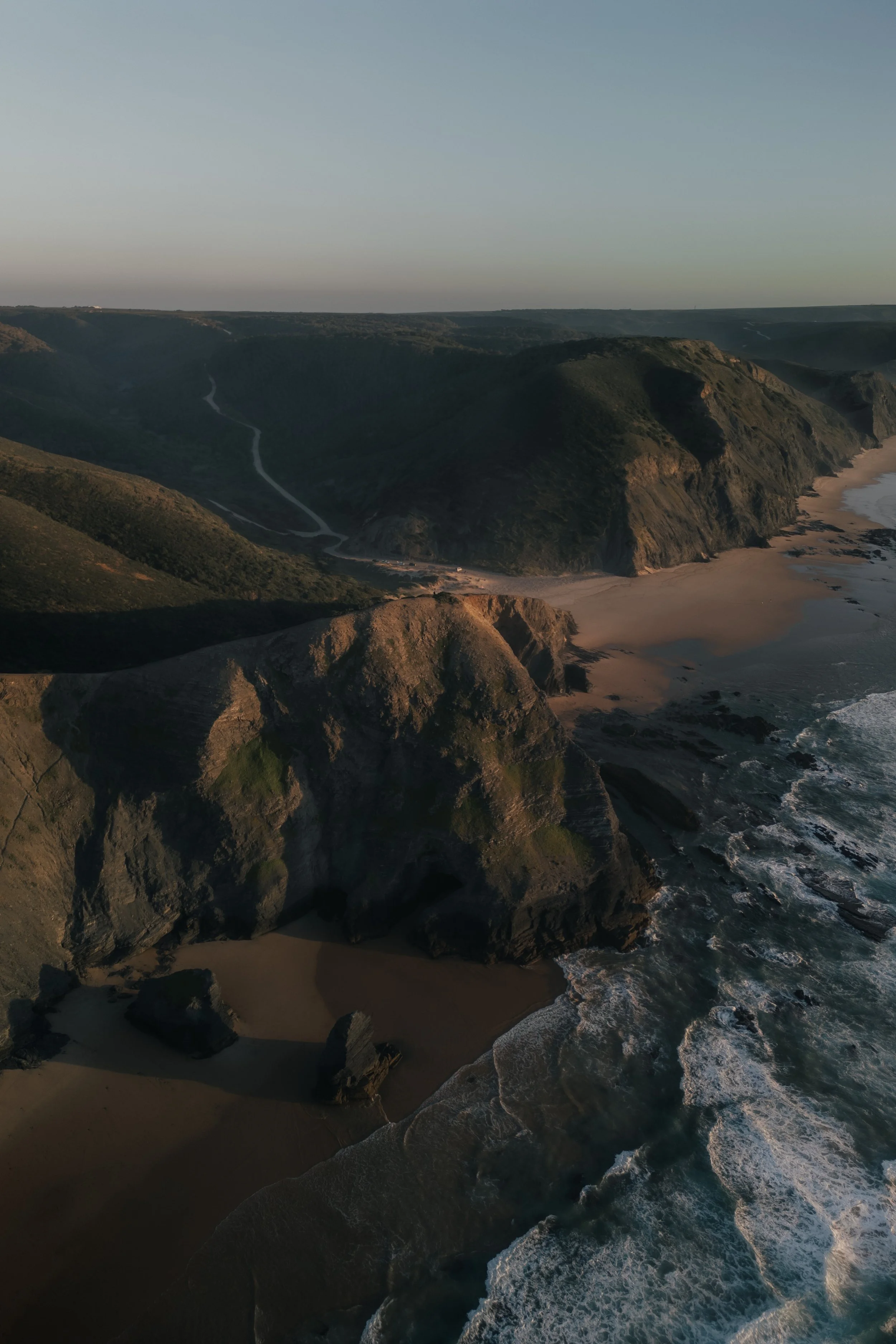
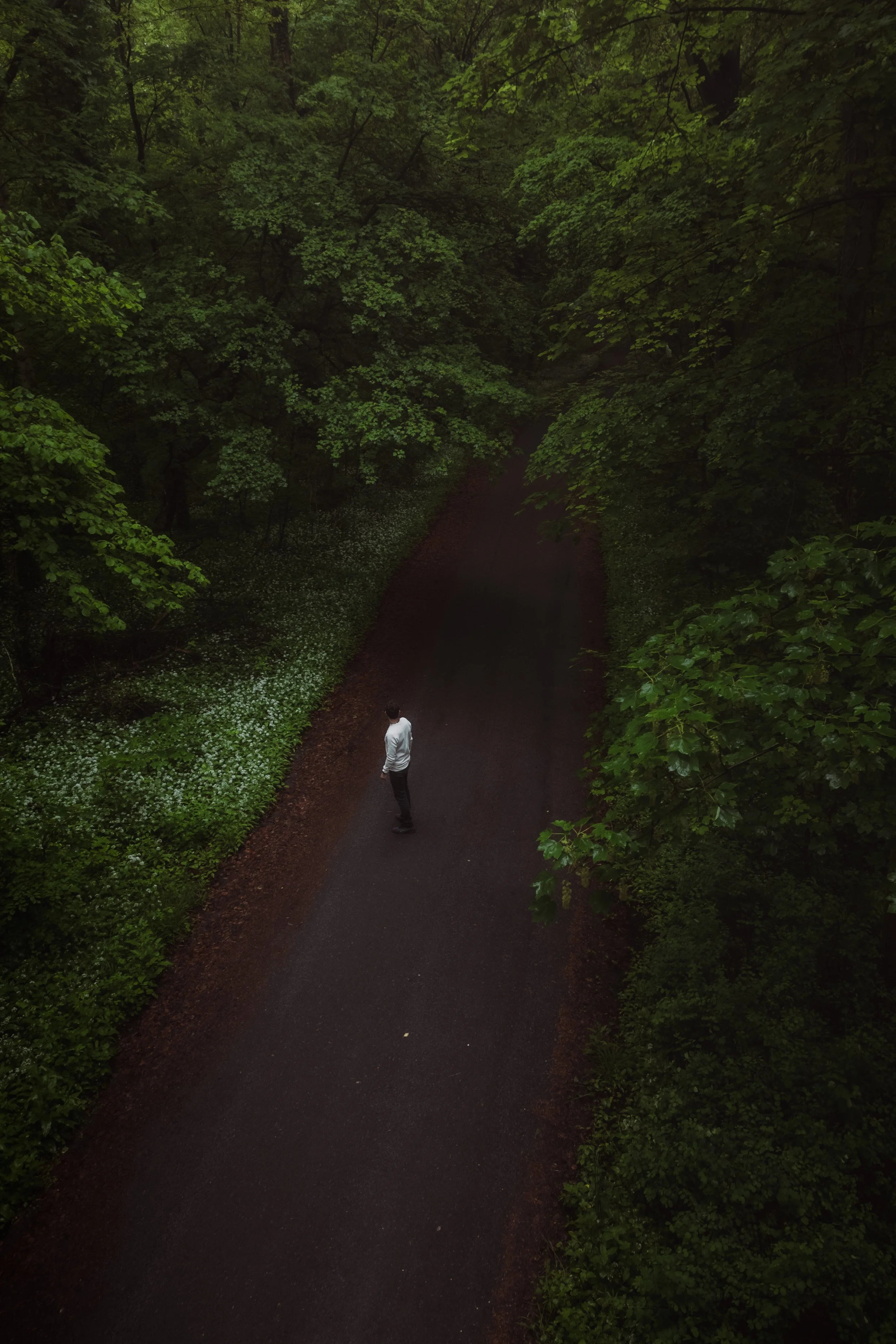
At first, starting a Lightroom edit in black and white may seem counterintuitive. After all, most of us care deeply about color. Yet removing color for a moment can reveal something more important: the light, balance and structure that hold an image together. In this article, I explain why I still begin many edits in black and white and how this simple approach changed both my editing workflow and the way I photograph.