Why I Start My Lightroom Edits in Black and White

One of the questions I get asked most often is surprisingly simple:
“Why do you start your Lightroom edits in black and white?”
At first, the idea sounds strange. After all, most of us edit color photographs because we care about color. We want beautiful tones. Interesting color palettes. Atmosphere. Mood. So why remove the colors before editing them?
For me, the answer has very little to do with black and white photography. And almost everything to do with seeing more clearly.
Color Can Be Distracting
When we open a photograph, our attention is naturally drawn to color. A warm sunset immediately feels inviting. A blue ocean feels calm. Bright greens catch our eye. Color creates emotion very quickly. And that is exactly why it can sometimes become a distraction. Because while we are looking at the colors, we often stop paying attention to the structure underneath them.
The light. The balance. The transitions. The things that ultimately carry the image. For a long time, I would start adjusting colors almost immediately. And often I ended up solving problems that were not really color problems at all.
What Happens When Color Disappears
The moment I switch an image to black and white, something interesting happens. I stop thinking about color. And start noticing light. Suddenly it becomes easier to see whether certain areas are too bright or too dark. Whether the image feels balanced. Whether my eye moves naturally through the frame. Whether the atmosphere is already there before any color grading begins. Without color, there is nowhere for the image to hide.
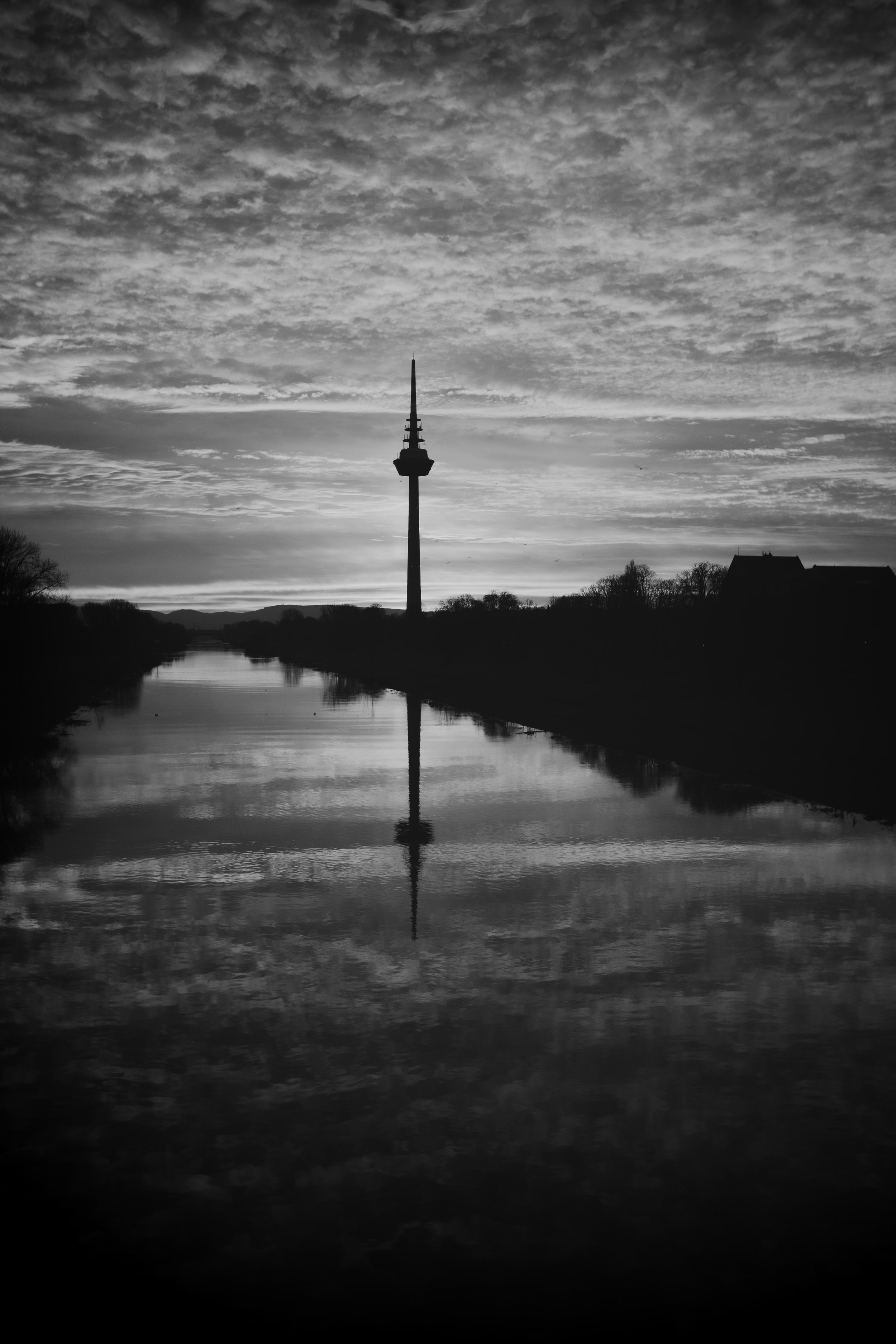
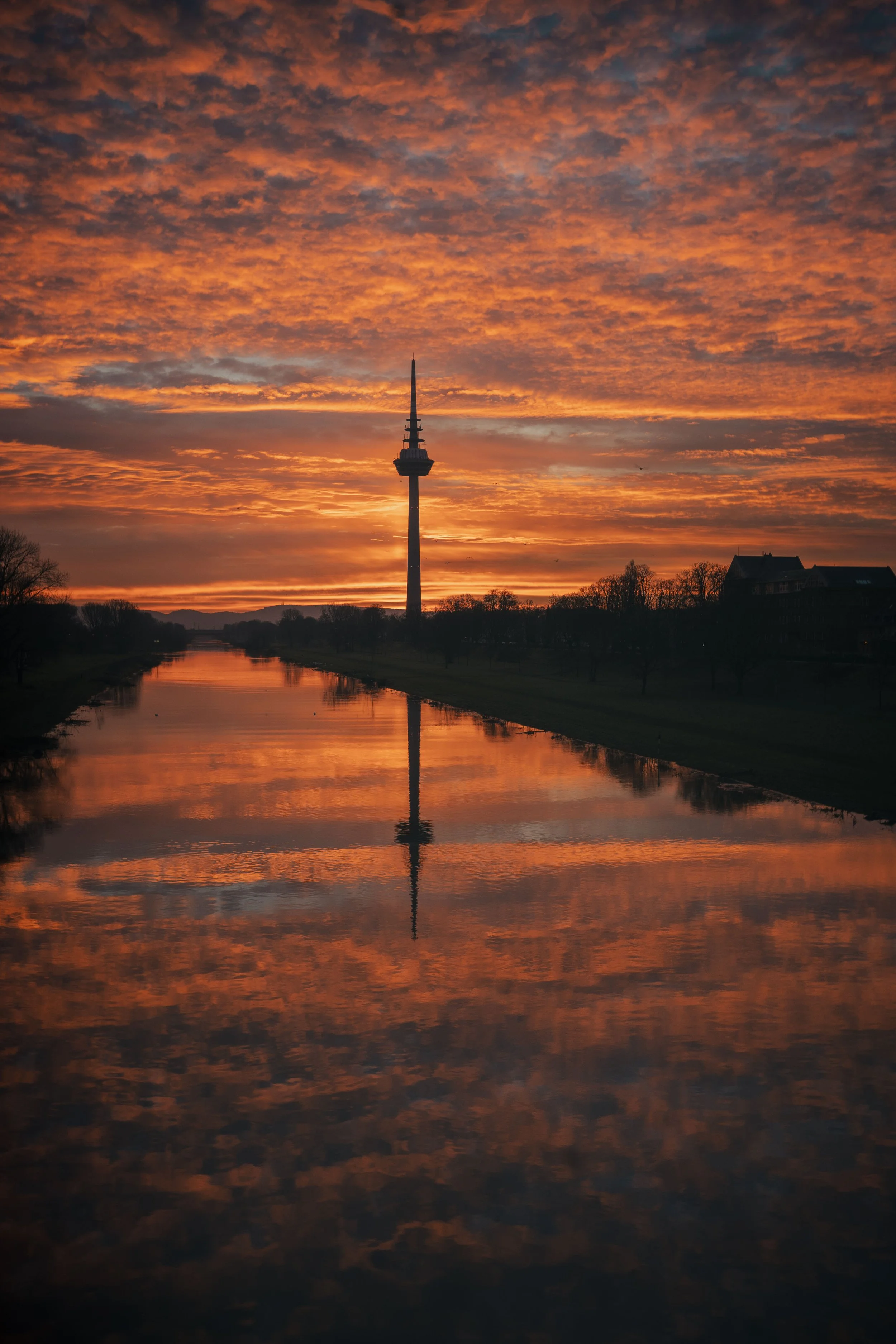
The Foundation Comes First
One of the biggest lessons I learned over the years is that atmosphere rarely comes from color alone. A photograph with beautiful light often feels atmospheric even before it has any color. A photograph with poor light usually remains difficult no matter how much color grading is applied. That does not mean color is unimportant. Far from it. But I have found that color works best when it enhances something that already exists. Not when it tries to create the entire feeling by itself. That is why I prefer building the foundation first. Light. Balance. Depth. Transitions. Only afterwards do I start thinking about color.
Editing Became a Form of Reflection
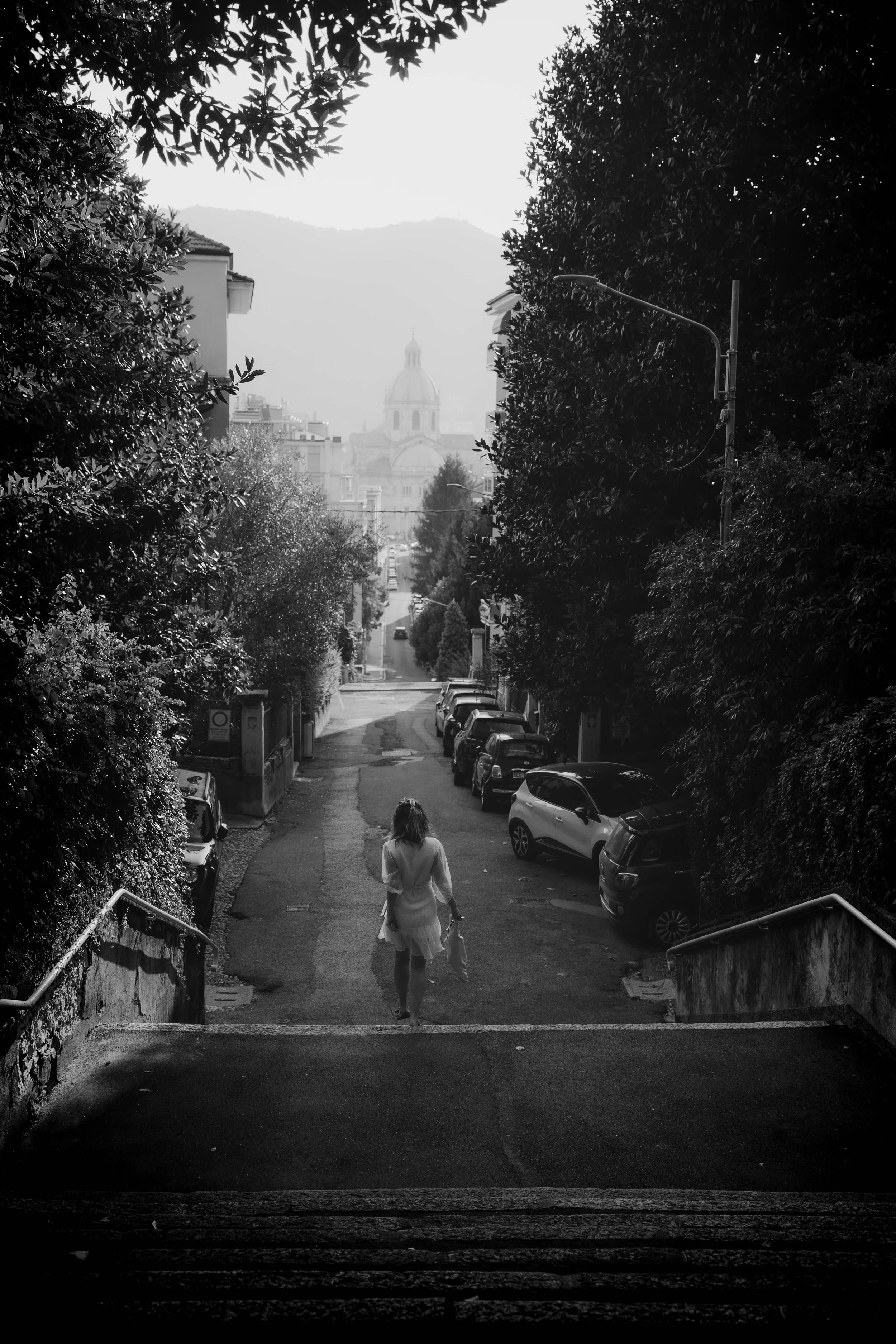
What surprised me most was that this approach changed more than my editing. It changed the way I photograph. Over time, I began noticing patterns. Some photographs became very easy to edit. Others constantly felt like a struggle. When I looked closer, I realised that the difficult images often shared certain characteristics. The light felt harsh. The transitions felt chaotic. The tonal balance never quite worked. Meanwhile, the photographs I loved most often required very little effort.
The atmosphere was already there. The editing simply revealed it. In that sense, black and white became more than an editing technique. It became a way of understanding what I was naturally drawn to as a photographer.
Black and White Helps Me Separate Light From Color
One reason many photographers struggle with editing is that they try to solve everything at once. Exposure. Contrast. Colors. Mood. Atmosphere. All in a single step. I used to do the same. Today, I prefer separating those decisions.
First I work on the light. Then I work on the colors. Not because it is technically correct. But because it helps me think more clearly. Instead of asking:
“How do I make these colors look better?”
I first ask:
“Does this image already feel balanced?”
The answers become much easier to see.
Color Still Matters
Starting in black and white does not mean ending in black and white. Color remains one of the most powerful tools in photography. It influences emotion. Memory. Mood. Atmosphere. Many of the decisions that shape a personal style happen through color. But I have found that those decisions become easier once the image already works without it. Because then color becomes an enhancement rather than a rescue mission.
Why I Still Use This Approach Today
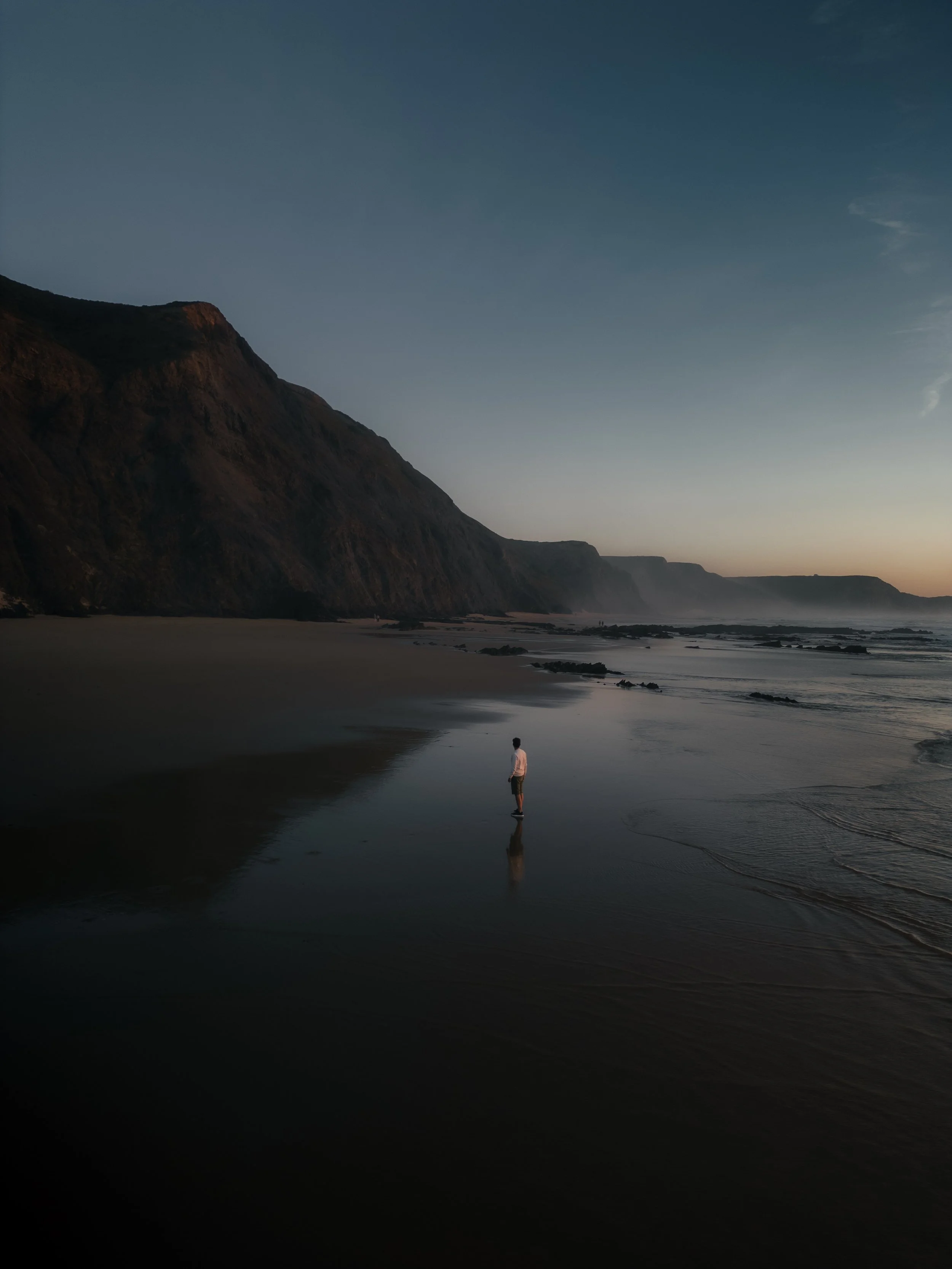
Years later, I still begin many edits the same way. Not because it is a rule. Not because everyone should do it. But because it consistently helps me focus on what matters most. The light. The balance. The atmosphere. And whenever I feel stuck during an edit, I often return to the same question: “If I removed all the colors, would this image still work?”
The answer usually tells me everything I need to know.
For me, starting in black and white was never really about removing color. It was about learning to see what was already there before the color arrived.
Why Most Lightroom Presets Fail or Why Most People Edit Colors Too Early in Lightroom.
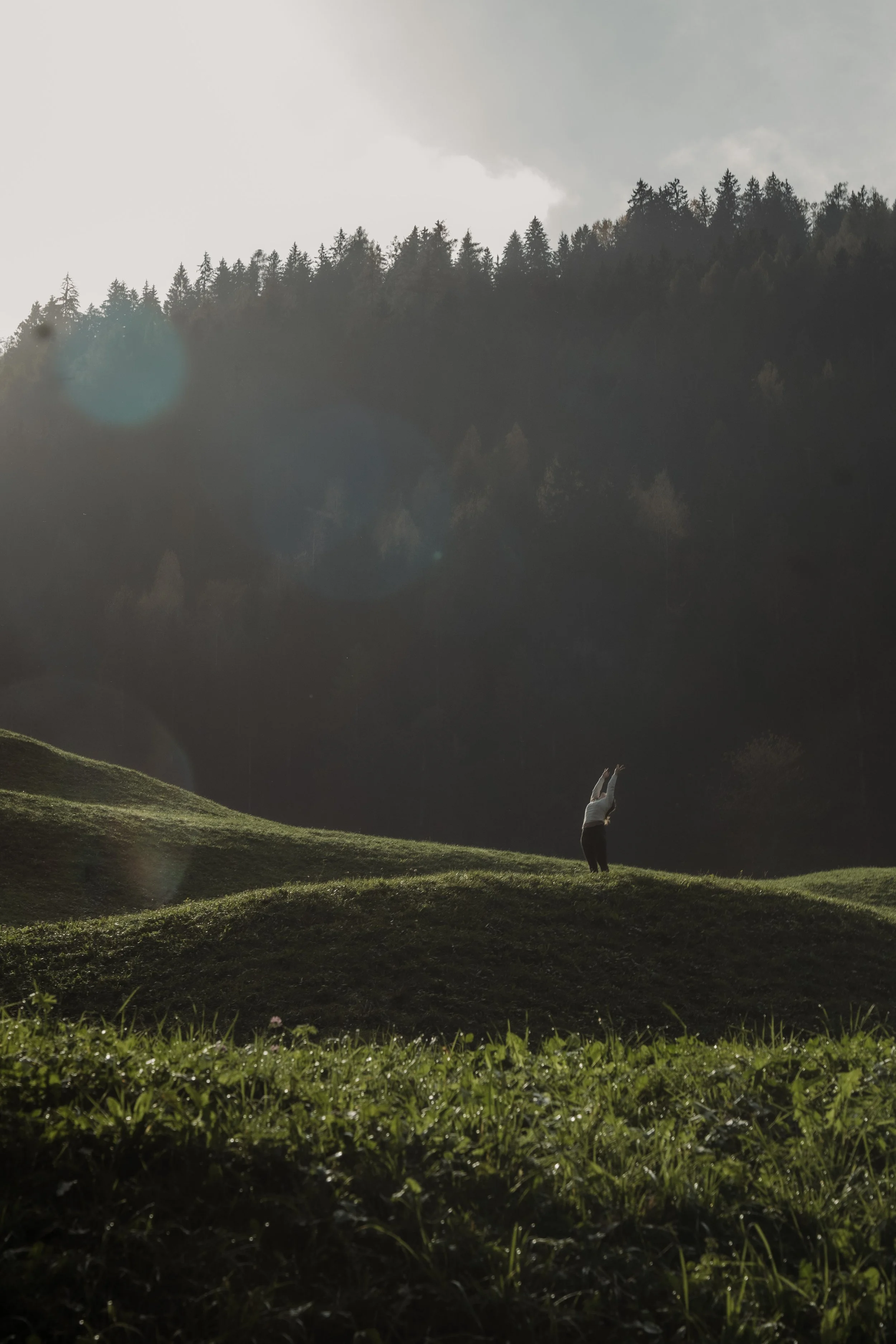
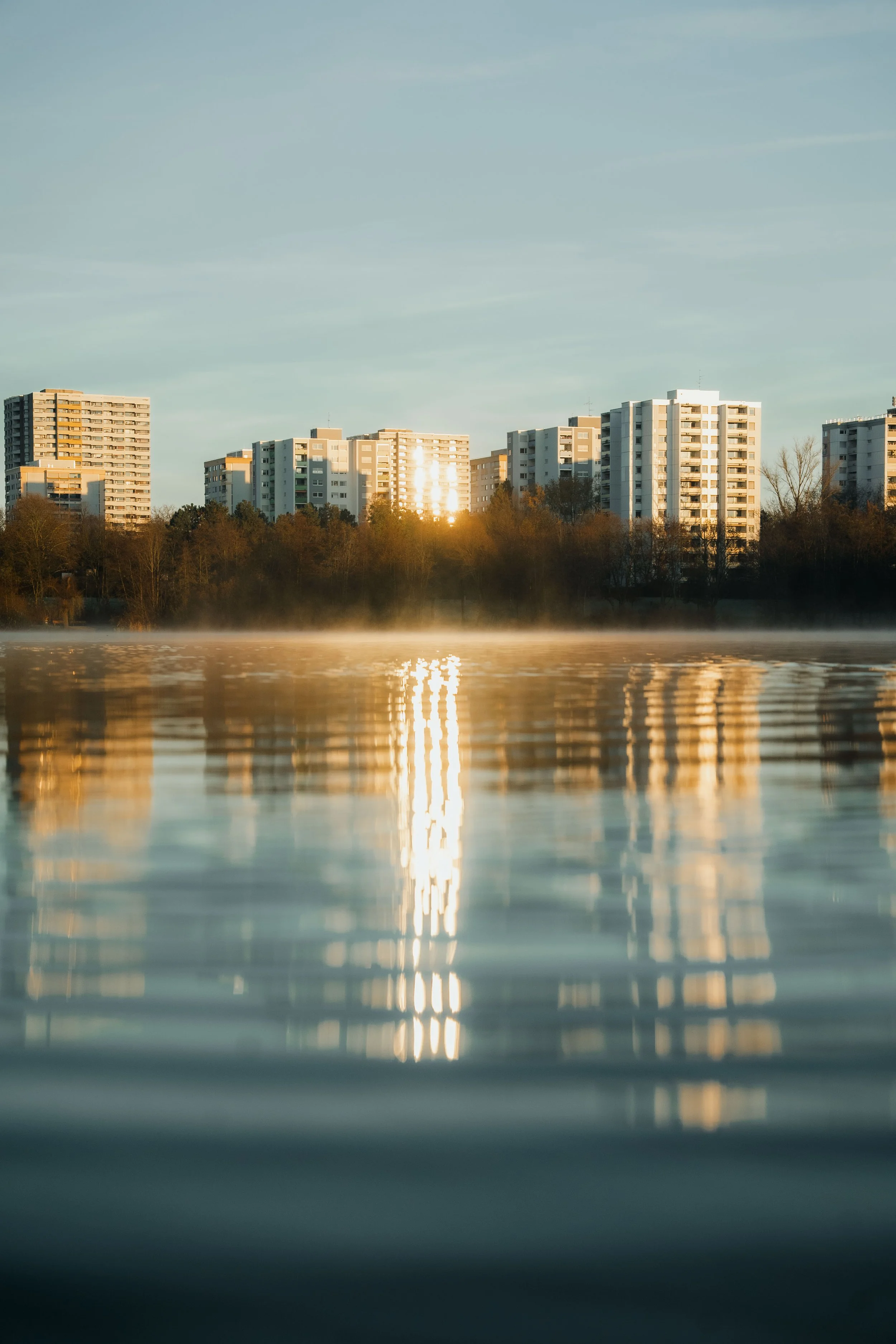
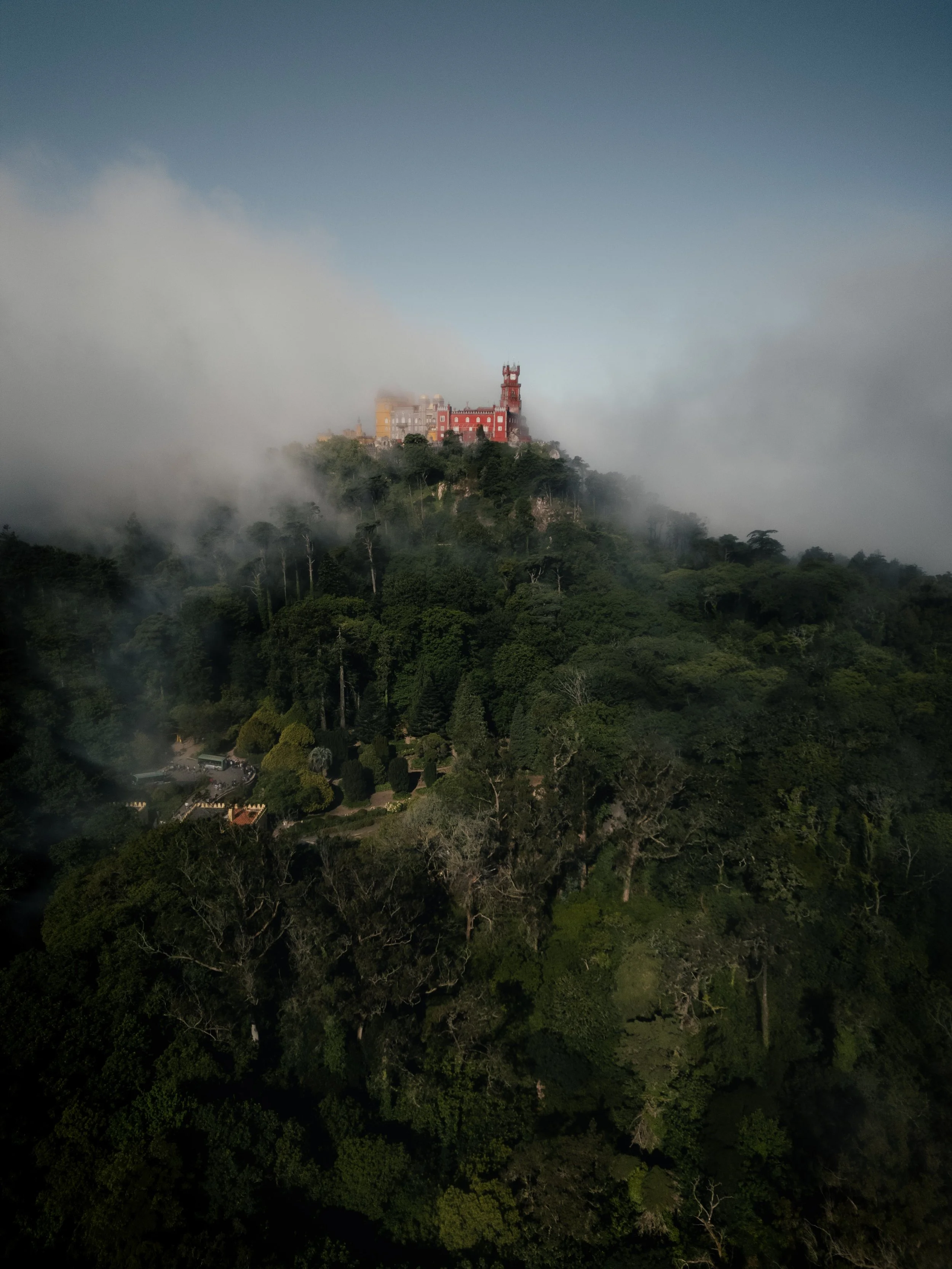
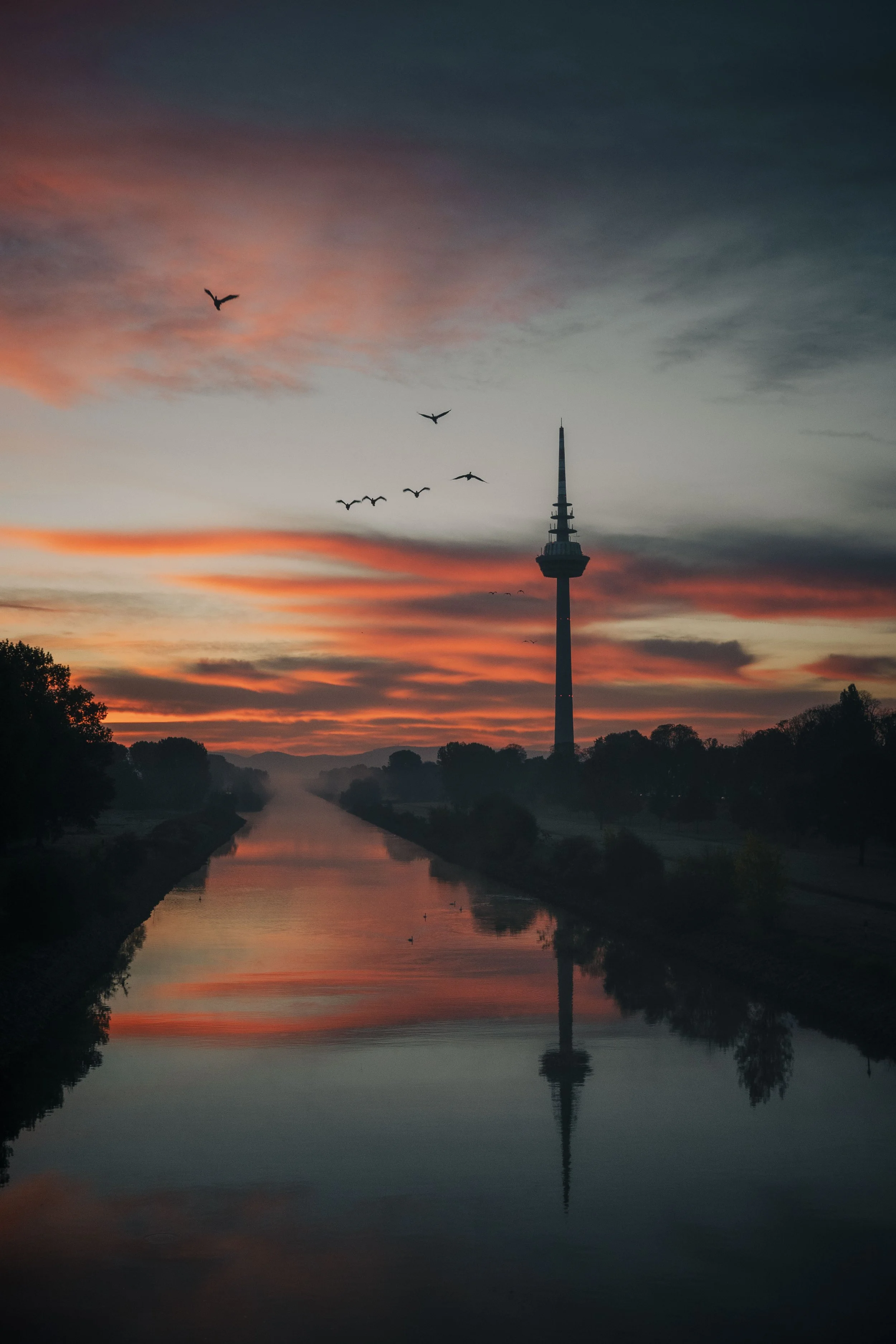
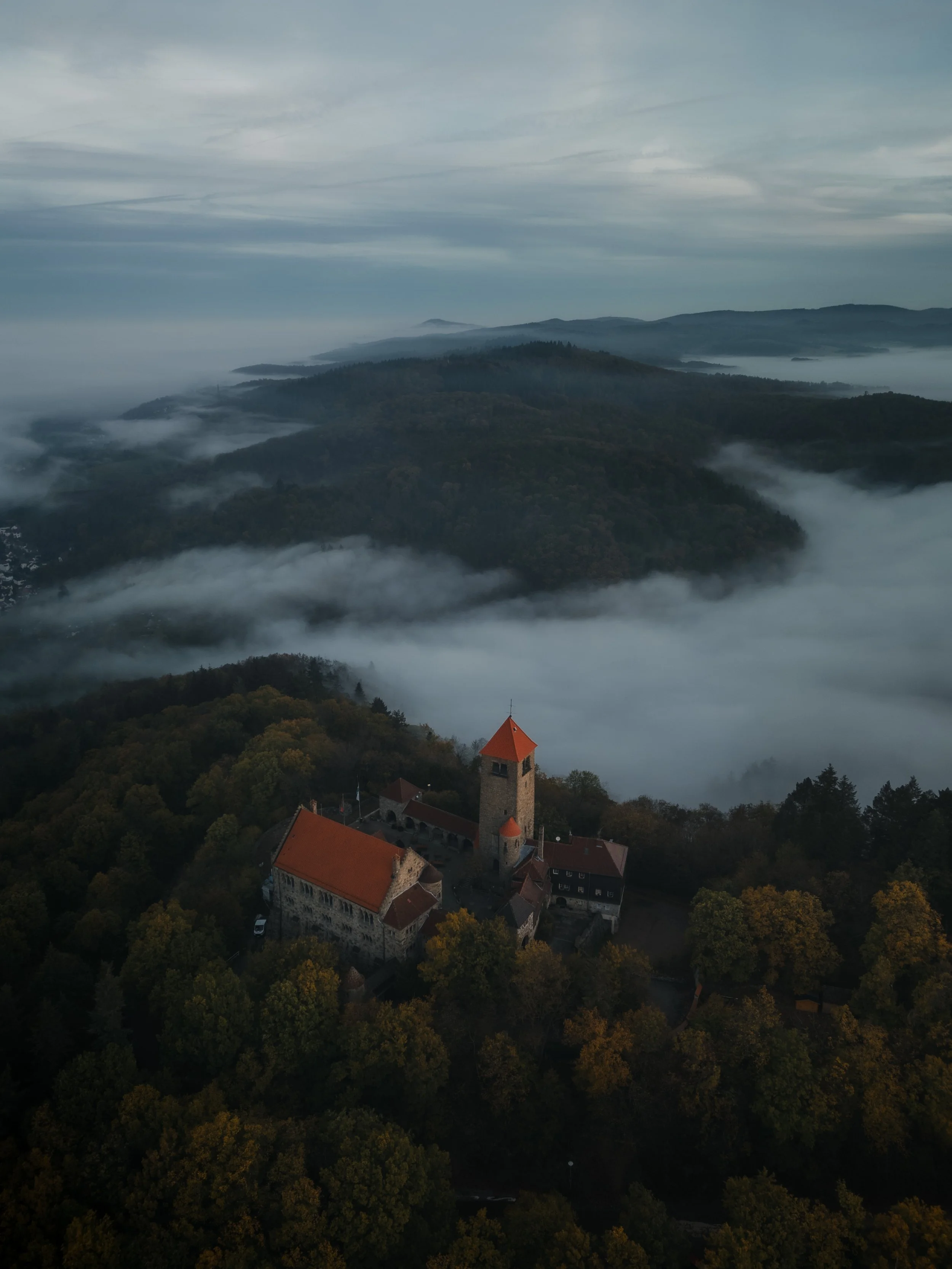
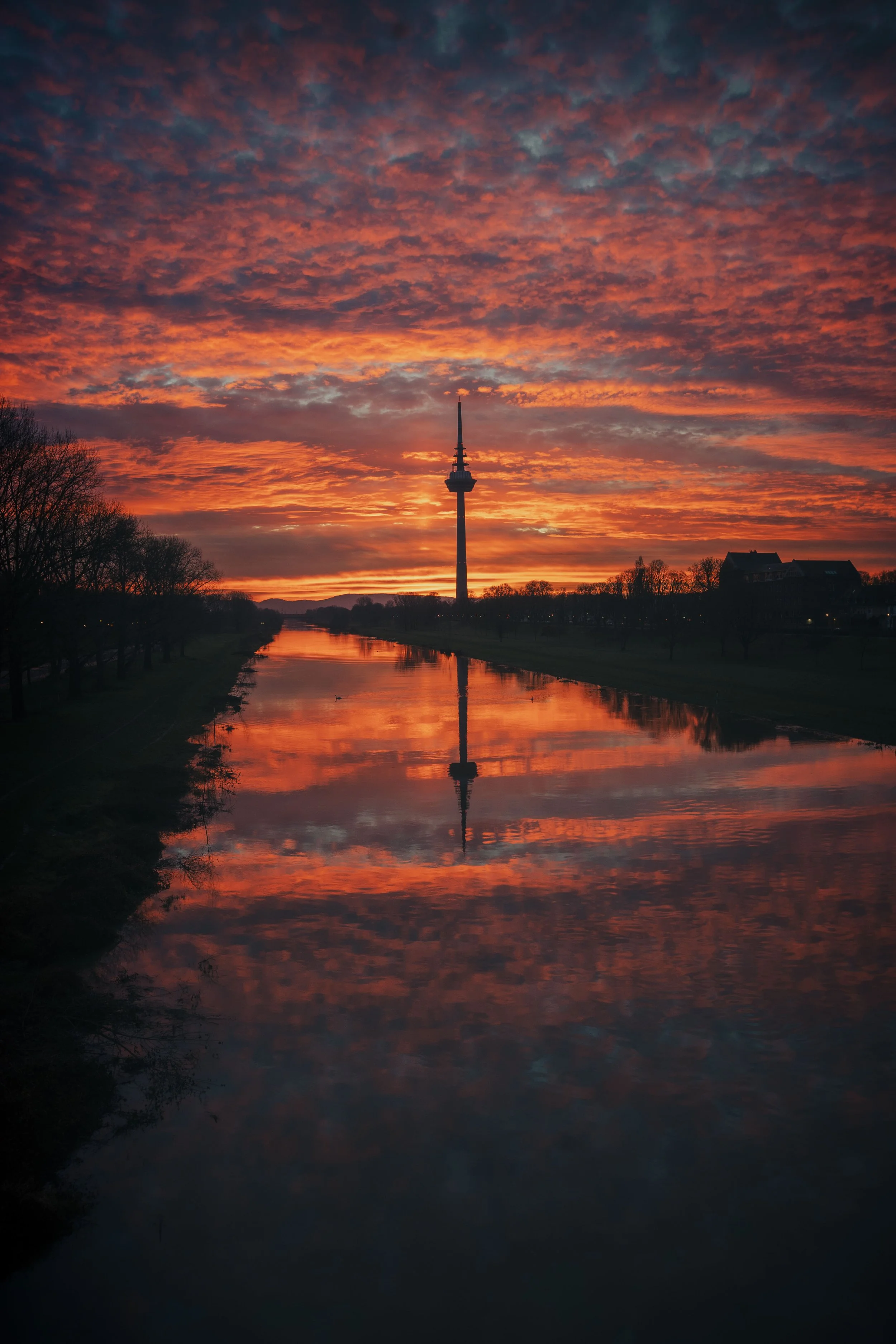

At first, starting a Lightroom edit in black and white may seem counterintuitive. After all, most of us care deeply about color. Yet removing color for a moment can reveal something more important: the light, balance and structure that hold an image together. In this article, I explain why I still begin many edits in black and white and how this simple approach changed both my editing workflow and the way I photograph.