Why Some Photos Feel Calm and Others Don't
A few years ago, I would have described my favorite photographs very differently than I do today. I probably would have talked about locations. About mountains. About coastlines. About beautiful places.
Today, I think the thing I was actually looking for had very little to do with the location itself. It had more to do with how the image made me feel. And one word keeps appearing over and over again: Calm.
The interesting part is that calmness is surprisingly difficult to define. Most people recognize it immediately when they see it, yet very few can explain exactly where it comes from. Two photographers can stand in exactly the same location and create completely different images. One photograph feels peaceful and inviting. The other feels restless and overwhelming.
The beach or mountain is the same. The light is the same. The scene is the same. Yet the feeling is completely different. For a long time, I assumed calmness came from the subject itself. A quiet lake feels calm. A busy city feels chaotic. A forest feels peaceful. A crowded street feels stressful. The more photographs I took and edited, however, the less convinced I became. I have seen photographs of busy cities that felt incredibly calm. And I have seen photographs of beautiful coastlines that somehow felt stressful. At some point, I realised that calmness has much less to do with where a photograph was taken and much more to do with how visual information is presented.
Calmness Is About What Competes For Attention
One of the biggest misconceptions about calm photography is the idea that calmness comes from having less in the frame. Sometimes that is true. But not always. I have seen minimalist photographs that felt surprisingly uncomfortable. And I have seen complex scenes that still felt balanced and easy to look at. The difference often comes down to competition. When too many elements demand attention at the same time, the eye has nowhere to settle.
Bright highlights compete with strong colors.
Foreground elements compete with the background.
Multiple subjects compete with one another.
The viewer keeps searching for what matters most. And that search creates tension. Over time, I started noticing that many of my favorite photographs had something in common. The images gave the eye a place to rest. A place to begin and a place to return to. And that simple observation changed the way I looked at photography.
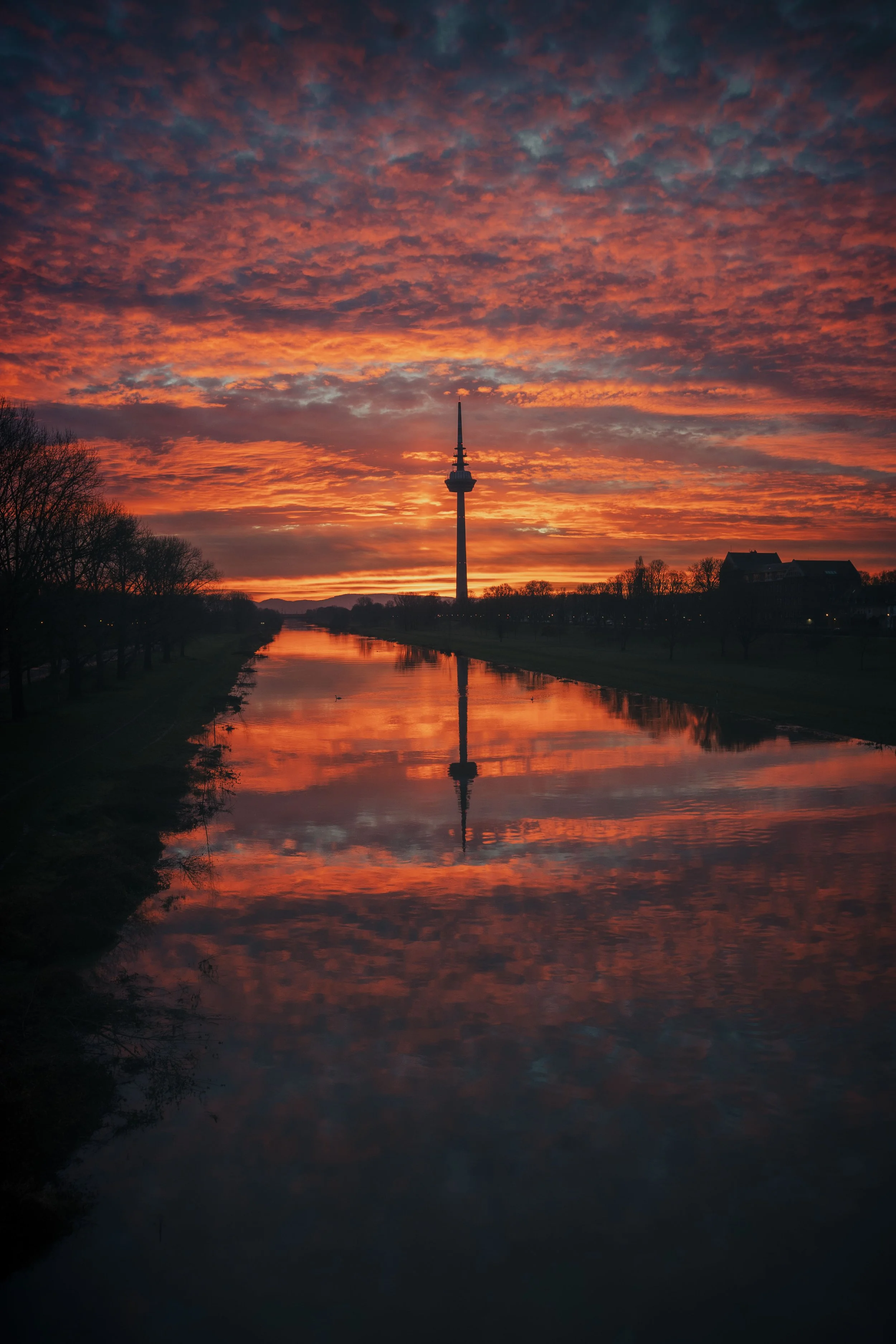
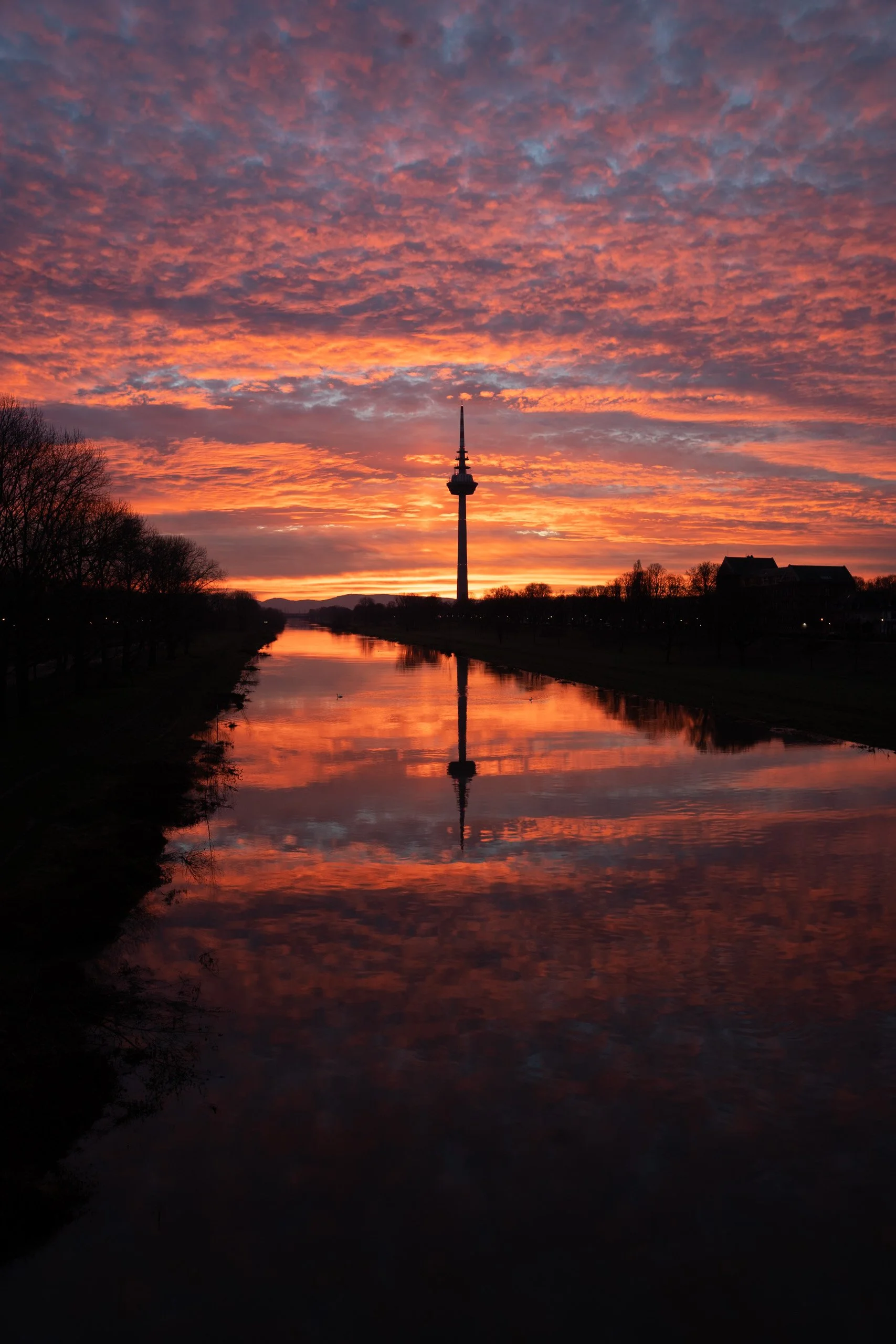
The Role Of Light
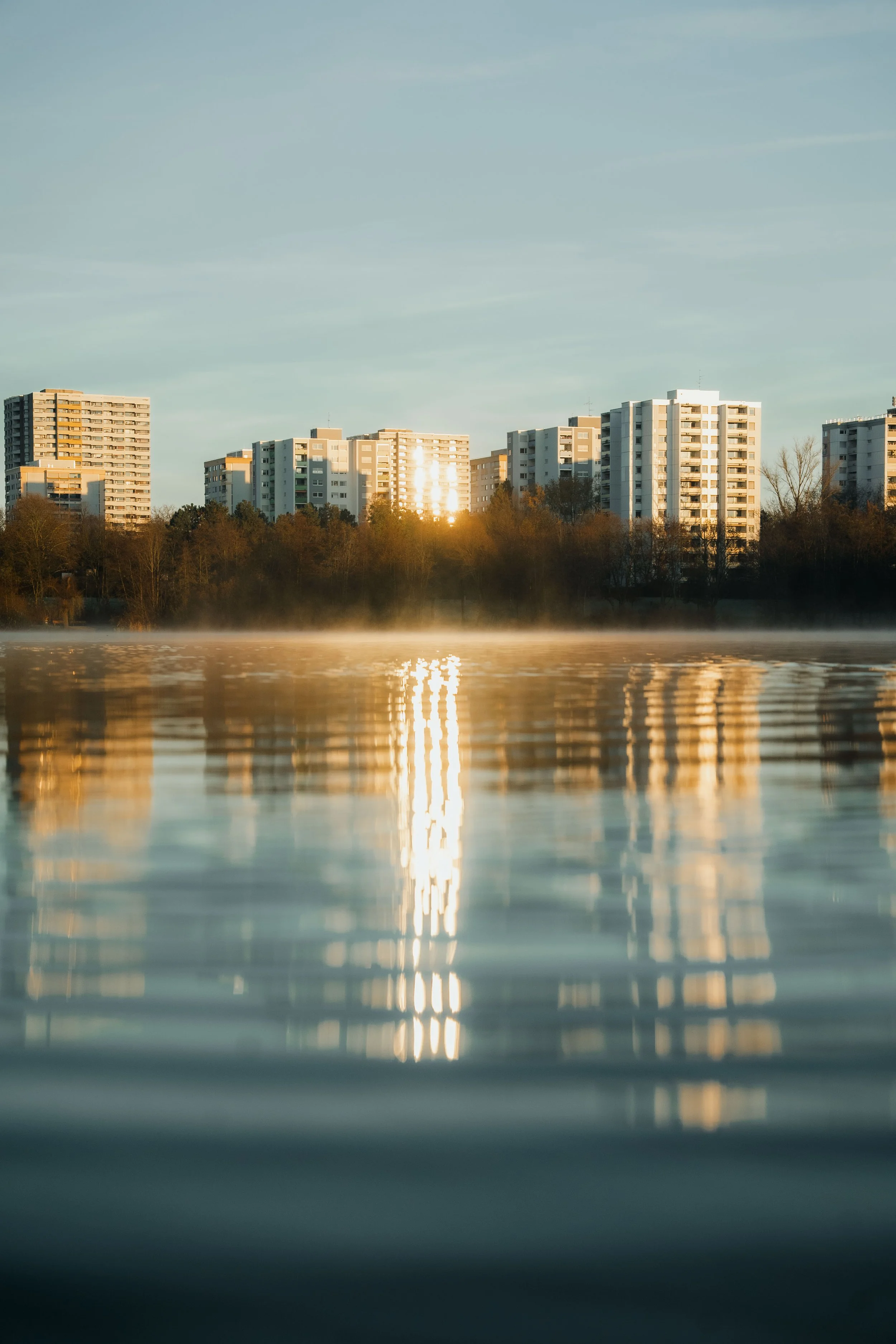
Light plays a much bigger role in this than I once realised. When people talk about light, they often focus on exposure. Too bright. Too dark. Technically correct. Technically incorrect. But light influences much more than that. It influences how a photograph feels. Soft light often creates smoother transitions between different parts of the image. Shadows blend more gently into highlights. Colors feel less aggressive. The eye moves through the frame more naturally. Harsh light creates stronger separations. Brighter highlights. Darker shadows. More visual tension. Neither approach is right or wrong. They simply create different emotional experiences.
Looking back through my own work, I noticed that many of the photographs I returned to most often were created in conditions that naturally supported the feeling I was looking for.
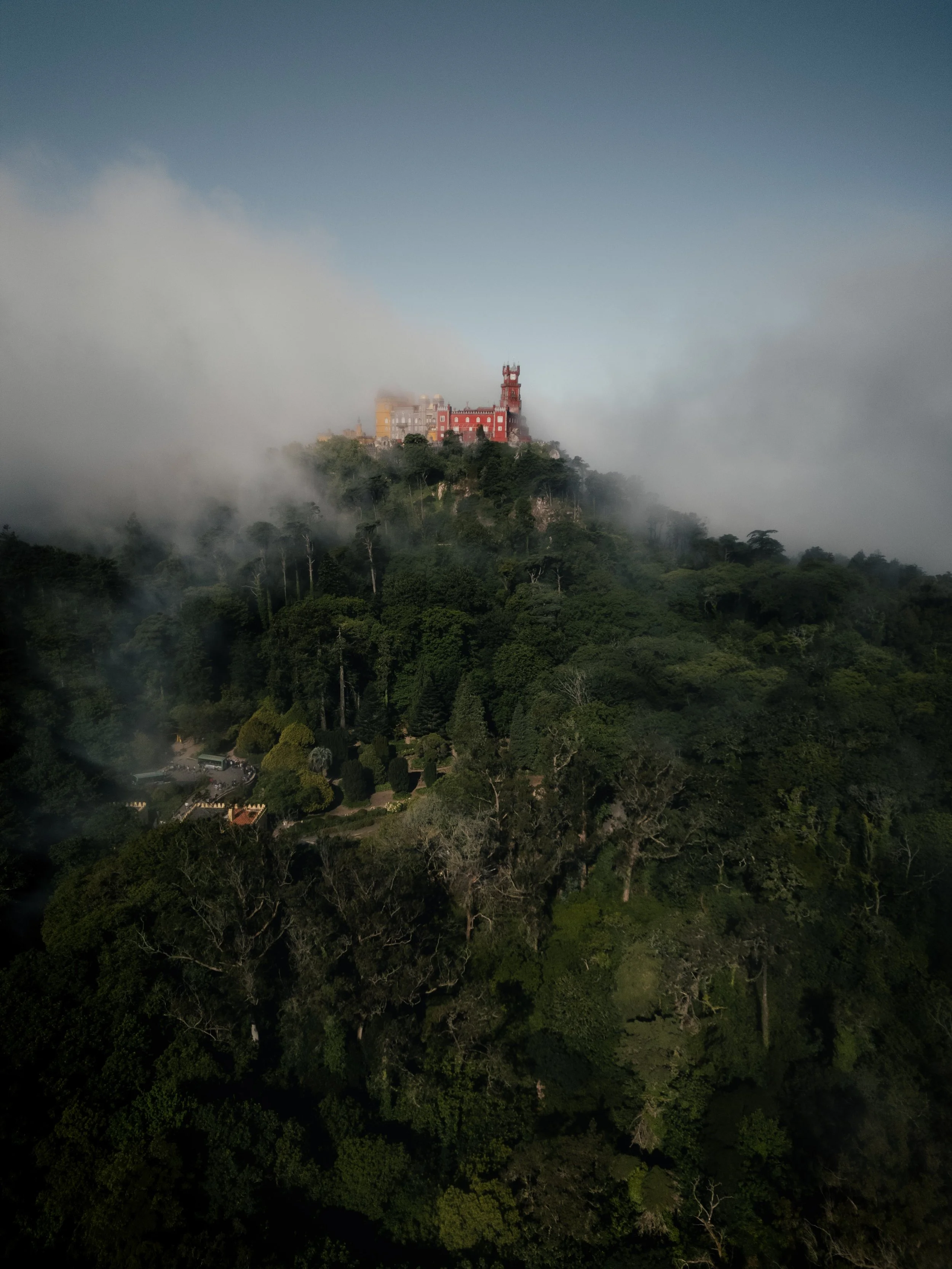
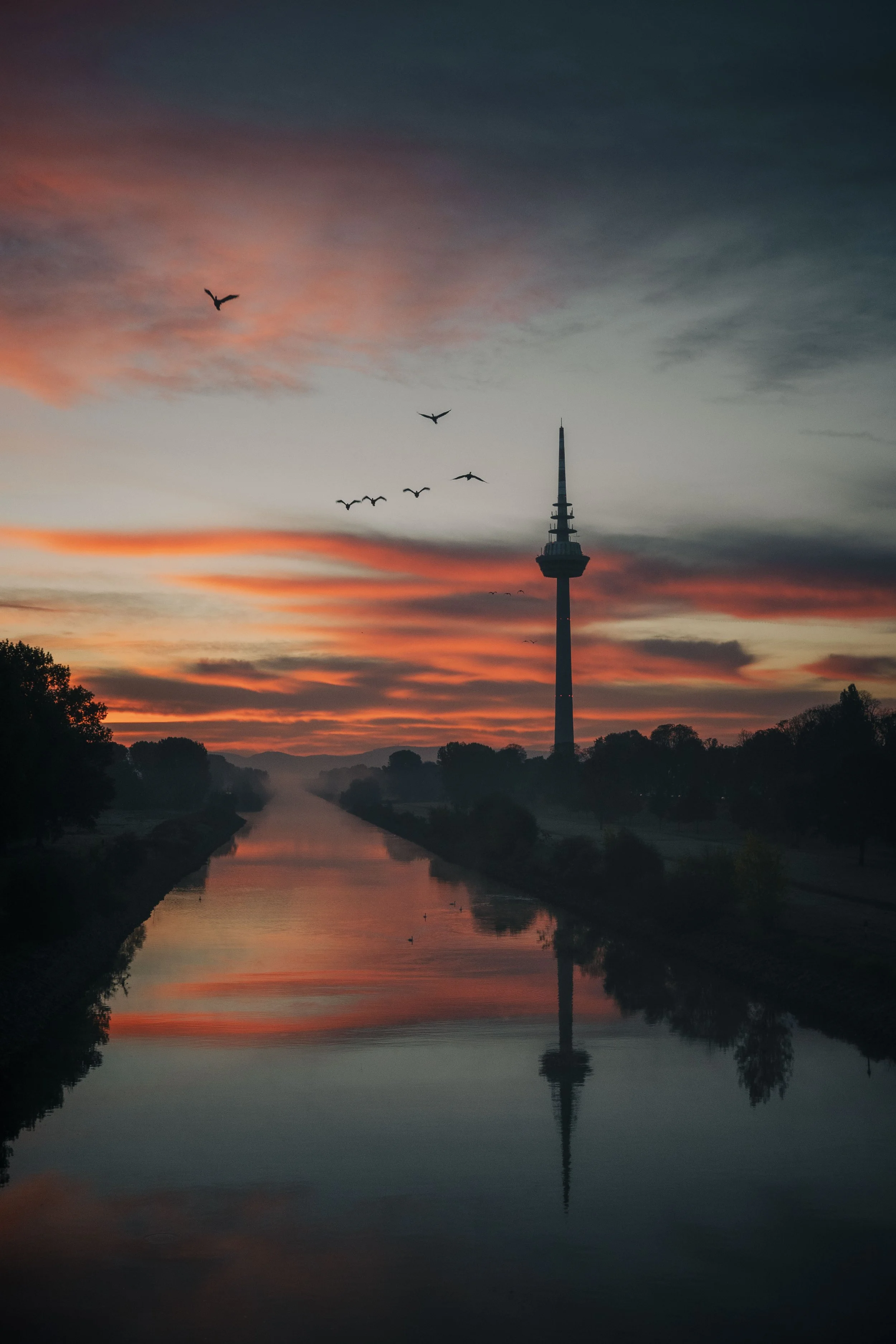
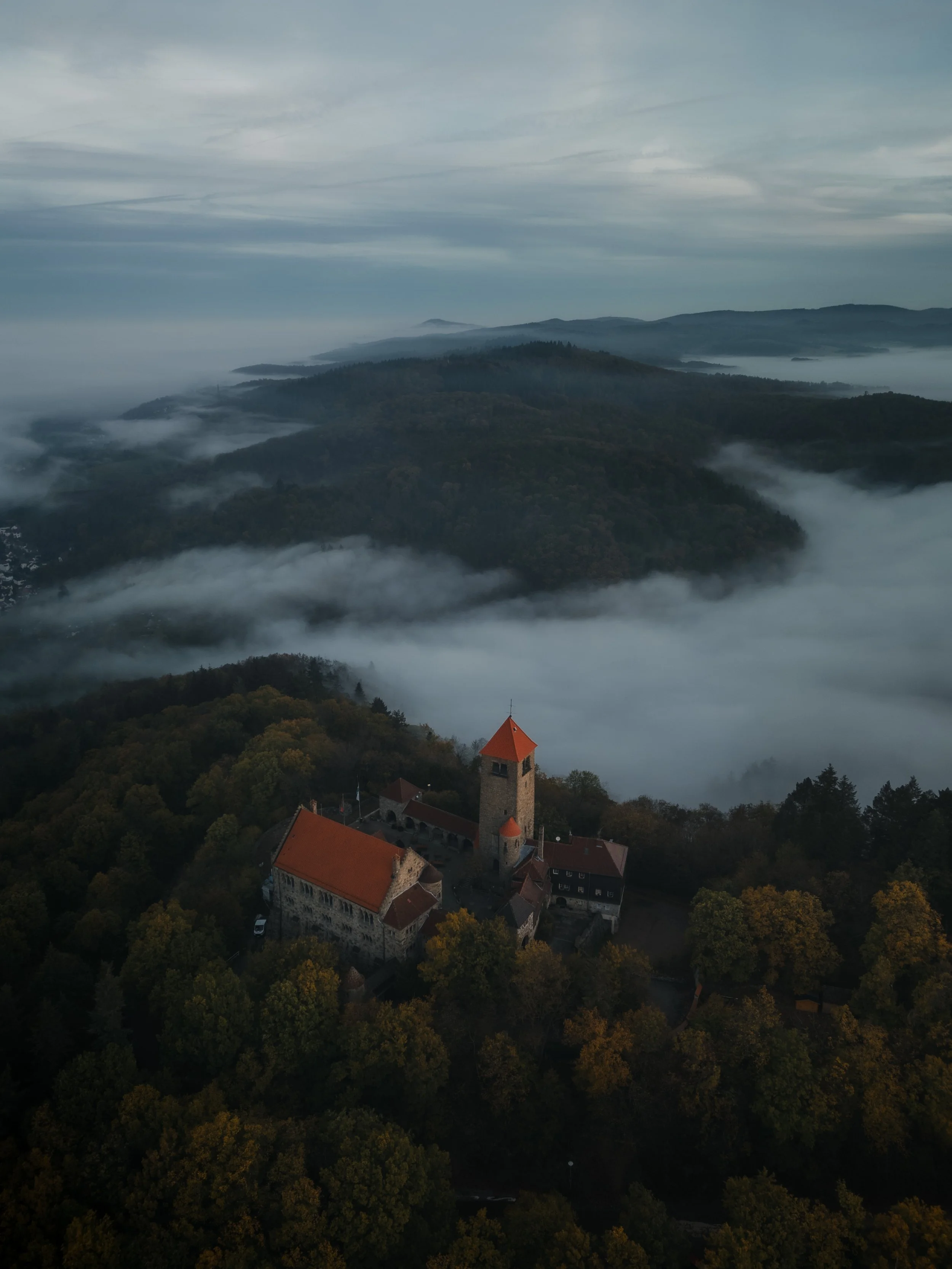
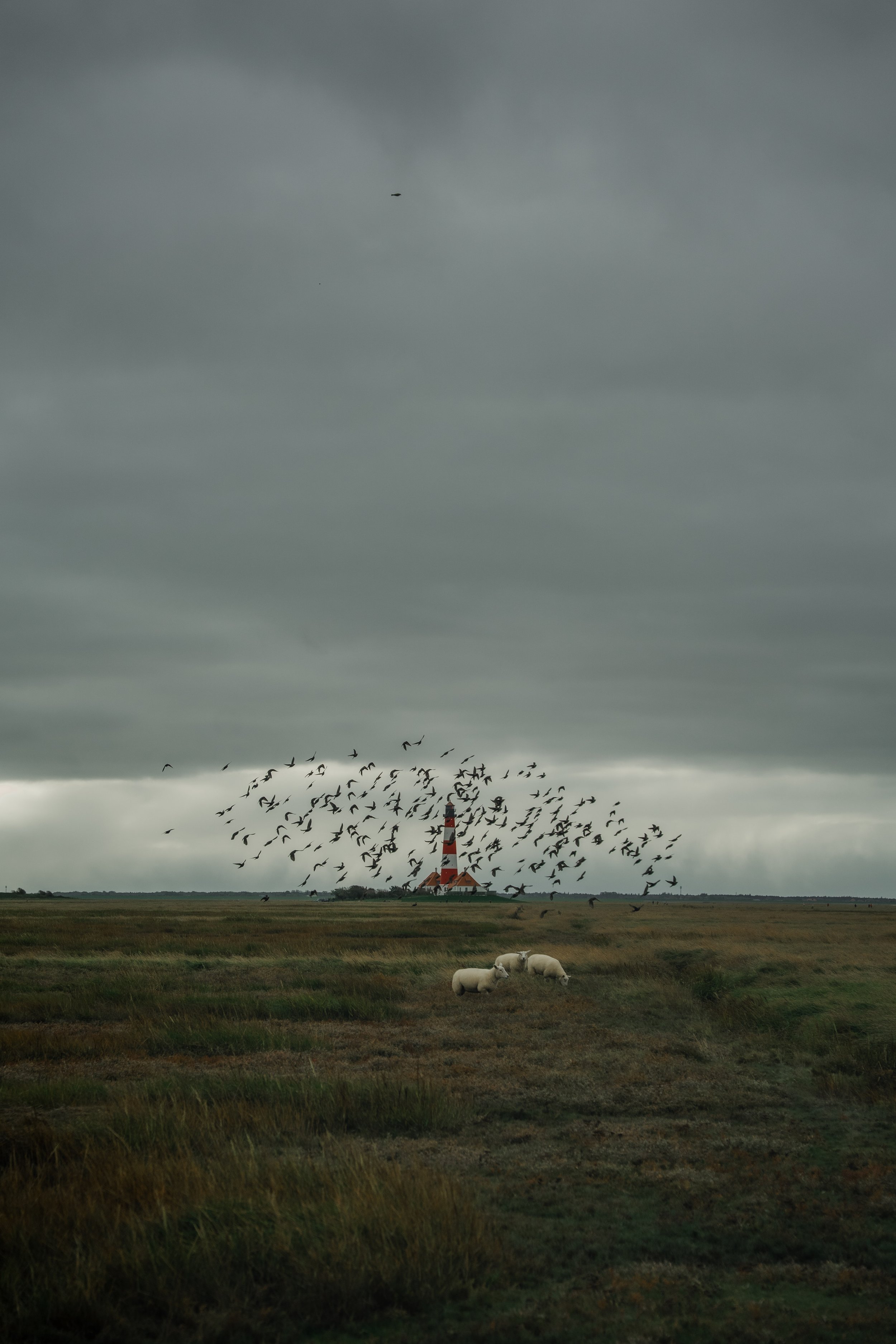
Fog. Overcast skies. Early morning light. Evening light. Soft transitions. Not because dramatic conditions are bad. But because these quieter conditions often resonate more strongly with the way I see the world.
What Editing Taught Me About Calmness
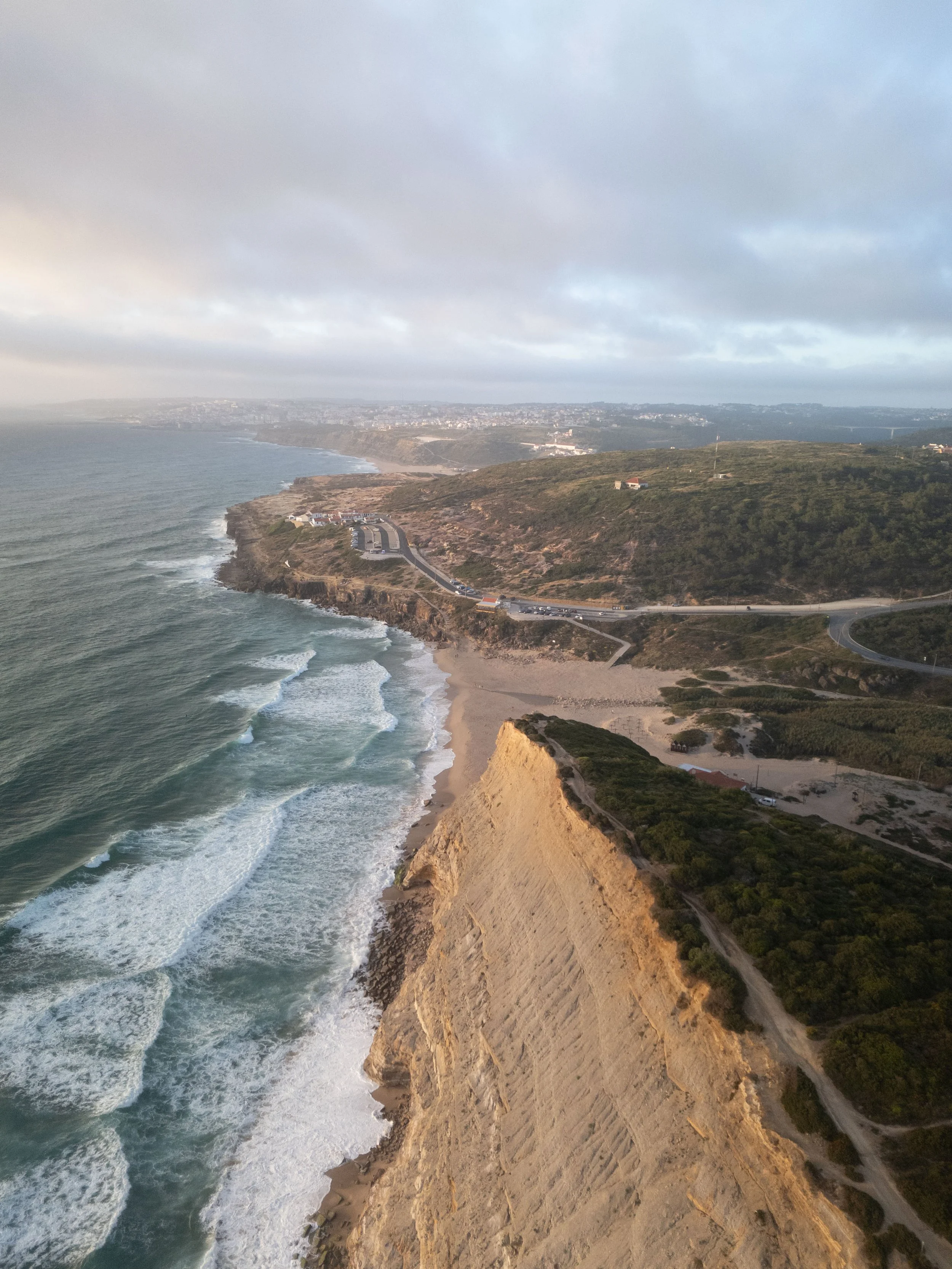
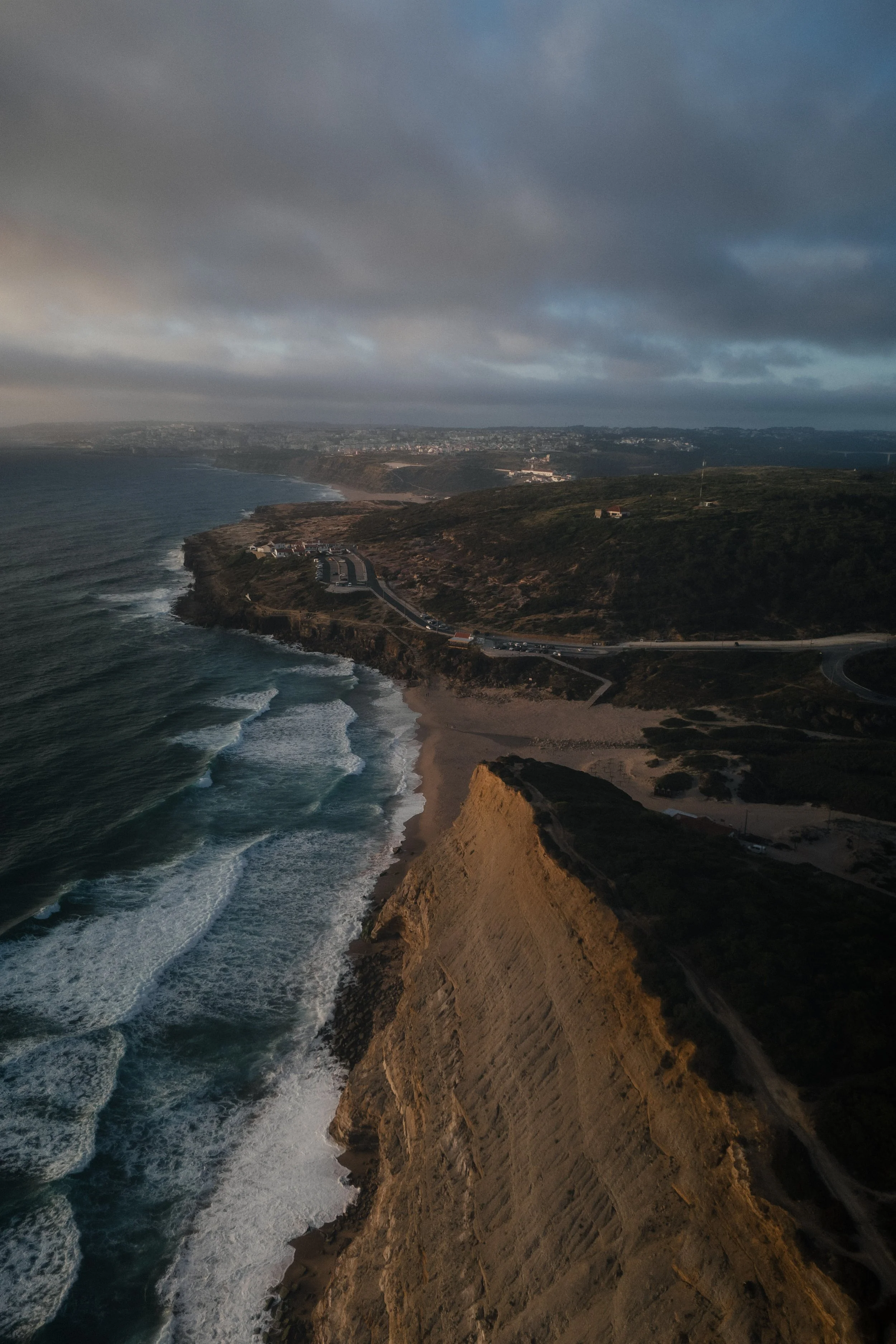
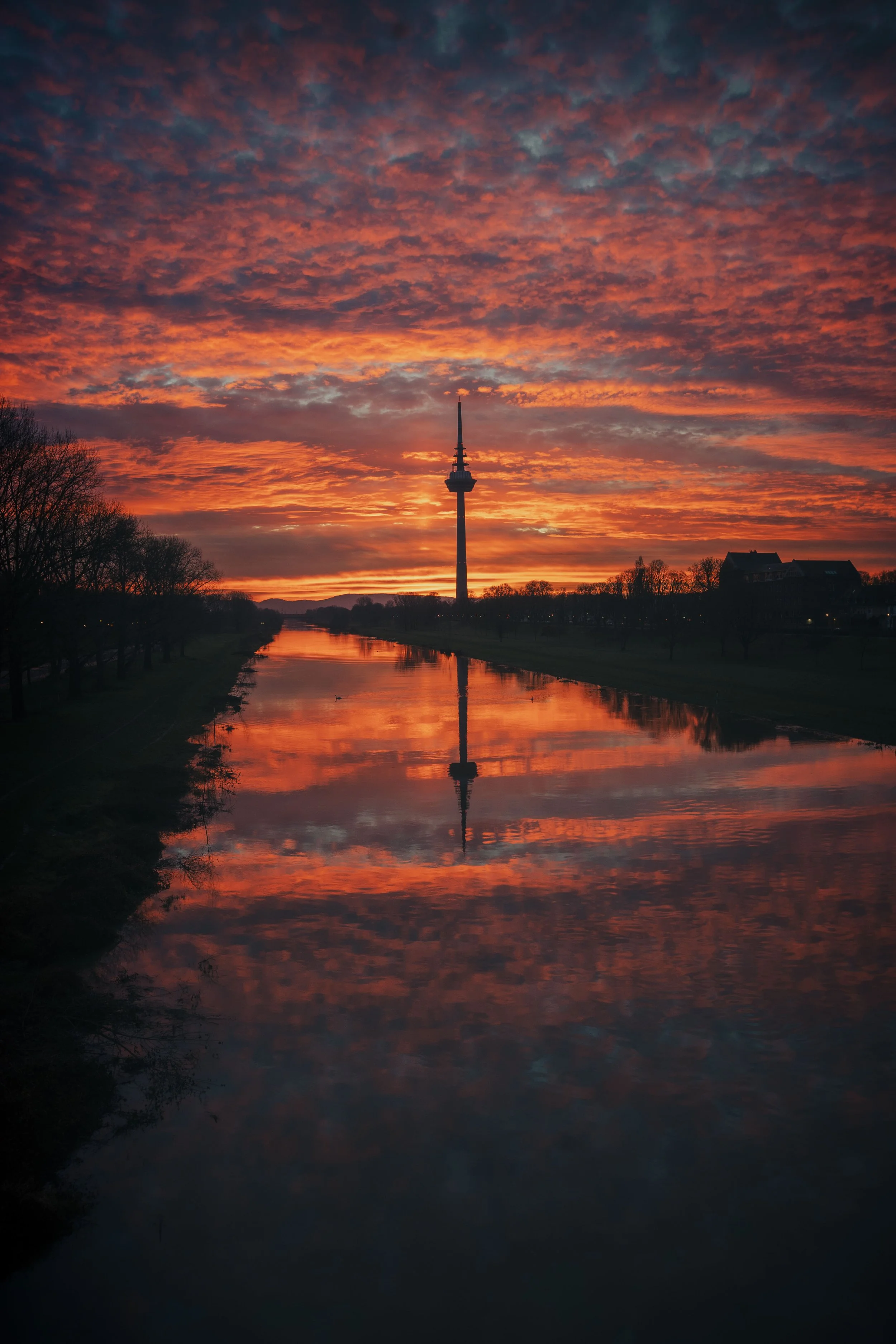
Interestingly, I did not learn most of this while taking photographs. I learned much of it while editing them. At first, I thought editing was mostly about colors. Over time, I realised that editing is often about attention. Every adjustment changes what the viewer notices. Increasing contrast can create energy. Reducing distractions can create calmness. Brightening certain areas pulls the eye toward them. Darkening them allows other parts of the image to breathe. One of the reasons I often make my final edits slightly darker than reality is not because I want the image to feel moody. It is because darker areas often stop competing for attention. The eye begins focusing on what matters. The image feels simpler. Not because information disappeared. But because visual competition was reduced. That distinction became incredibly important for me. Many of the editing decisions I make today are not really about creating atmosphere. They are about removing distractions that prevent the atmosphere from being felt.
Calmness Is Personal
The longer I photograph, the more I realise that calmness is not universal. Different photographers are drawn to different forms of energy. Some are inspired by strong contrast, dramatic weather and bold colors. Others are drawn to subtle transitions, quieter moments and softer palettes. Neither approach is better. The goal is not to photograph calm scenes simply because somebody else likes them. The goal is to understand what genuinely resonates with you. Because the photographs you return to again and again often reveal something about how you experience the world. In many ways, they reveal something about yourself.
Looking Beyond Photography
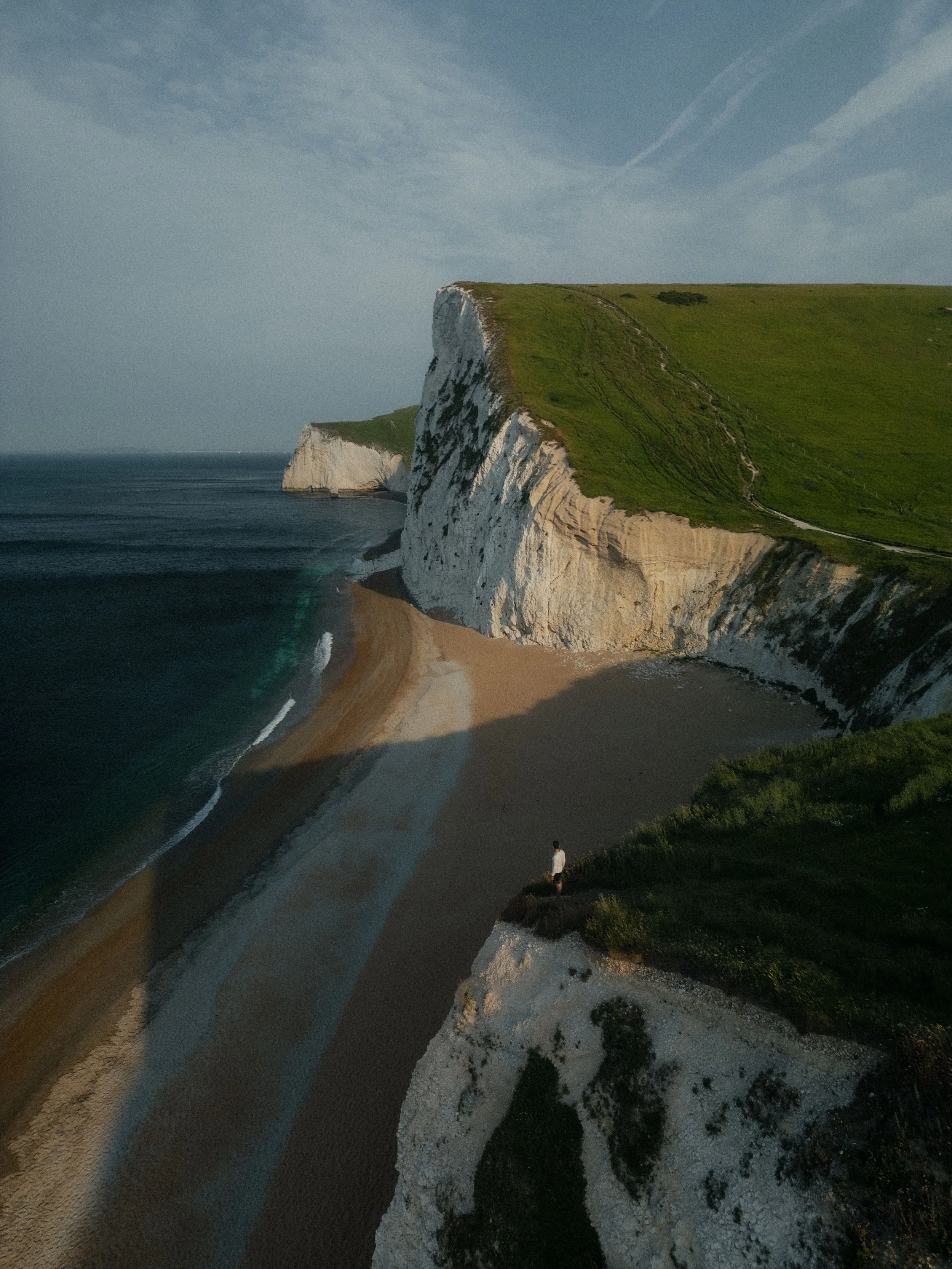
Looking back, I no longer think I was simply searching for calm photographs. I think I was searching for calmness itself. That realization changed more than my editing. It changed the way I approached photography. I stopped asking: “How can I make this image more impressive?”
And started asking: “How can I make this image feel more like what I experienced?”
Those are very different questions. One often leads toward attention. The other often leads toward clarity. And perhaps that is why some photographs feel calm while others do not. Not because they contain less. Not because they are simpler. But because they create enough balance, enough clarity and enough space for the eye to settle. Sometimes that is all calmness really is. The feeling that, for a brief moment, nothing inside the frame is fighting for your attention.
Why Most Lightroom Presets Fail or Why Most People Edit Colors Too Early in Lightroom.

At first, starting a Lightroom edit in black and white may seem counterintuitive. After all, most of us care deeply about color. Yet removing color for a moment can reveal something more important: the light, balance and structure that hold an image together. In this article, I explain why I still begin many edits in black and white and how this simple approach changed both my editing workflow and the way I photograph.