The Difference Between Editing for Attention and Editing for Atmosphere
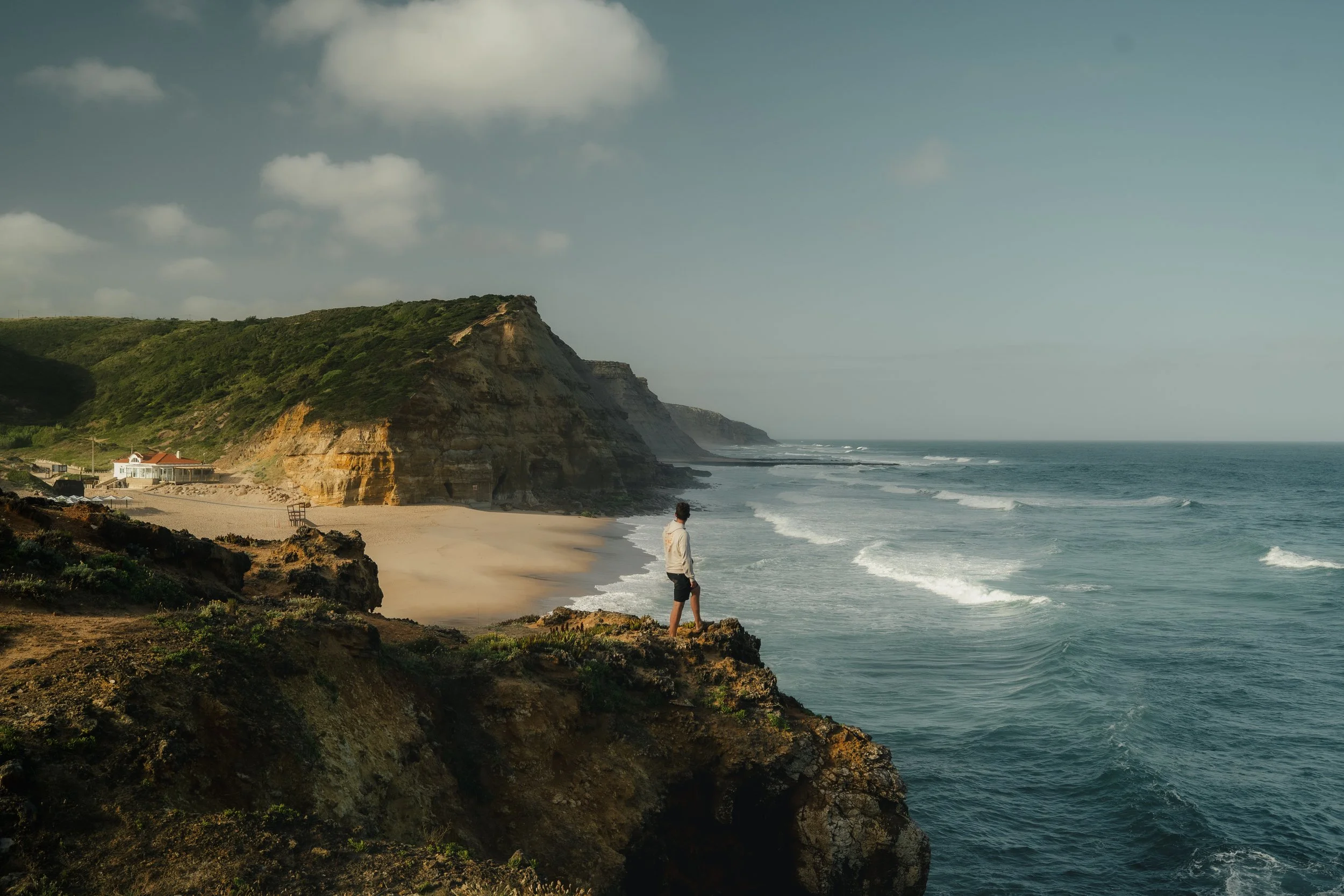
For a long time, I thought the goal of editing was to make a photograph more interesting. More contrast, stronger colors, more impact and ultimately more attention. And to some extent, that makes sense.
Every photographer wants people to stop scrolling and look at their work. The problem is that attention and atmosphere are not the same thing. It took me years to understand the difference.
Attention Is Immediate
Some photographs grab your attention instantly. The colors are intense, the contrast is strong, the light is dramatic and the composition immediately pulls your eyes into the frame. There is nothing wrong with that. In fact, many great photographs work exactly this way. The challenge is that attention is often measured in seconds. Atmosphere is measured differently. Atmosphere is what remains after the first impression fades.
Atmosphere Takes Longer
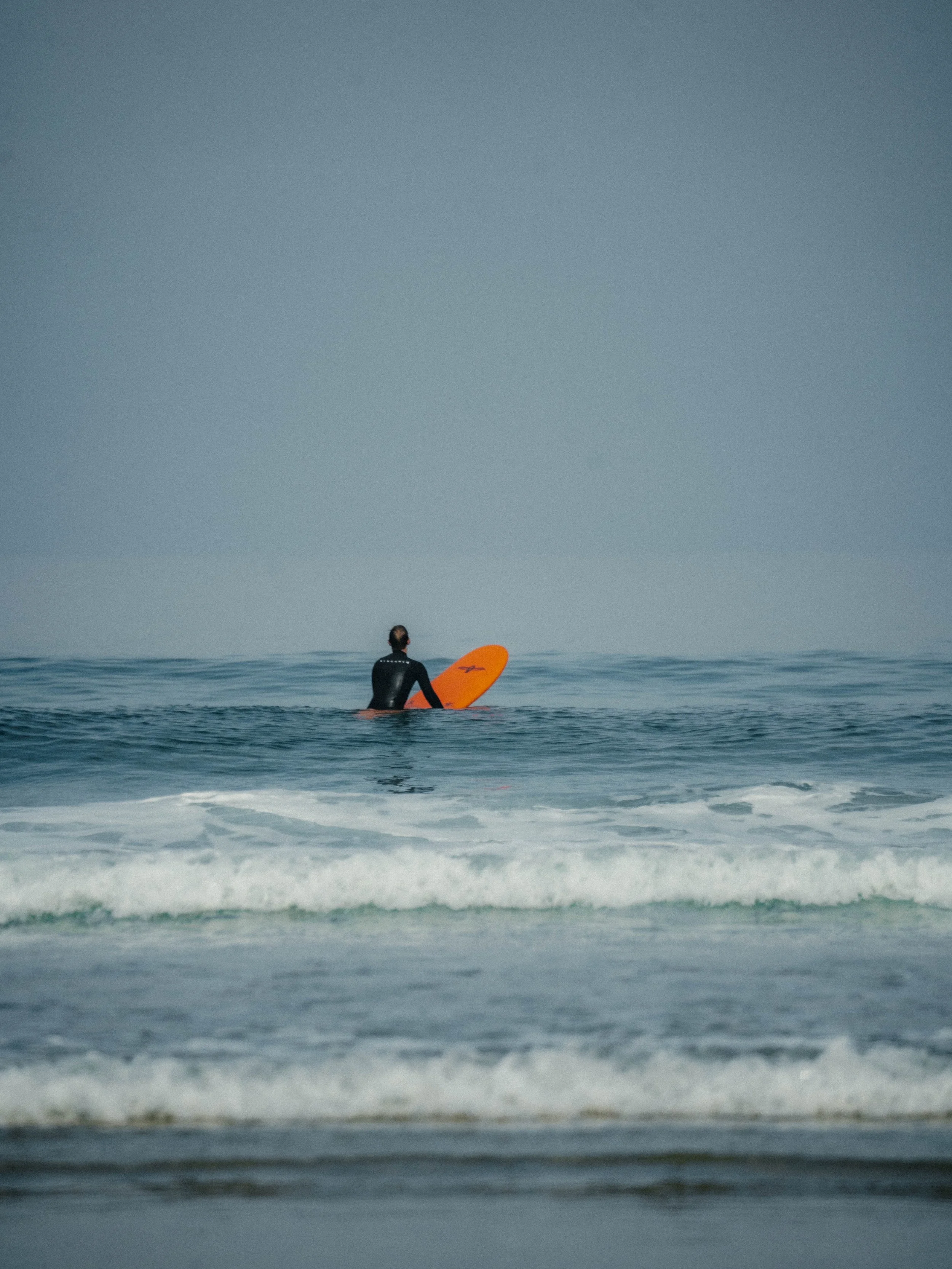
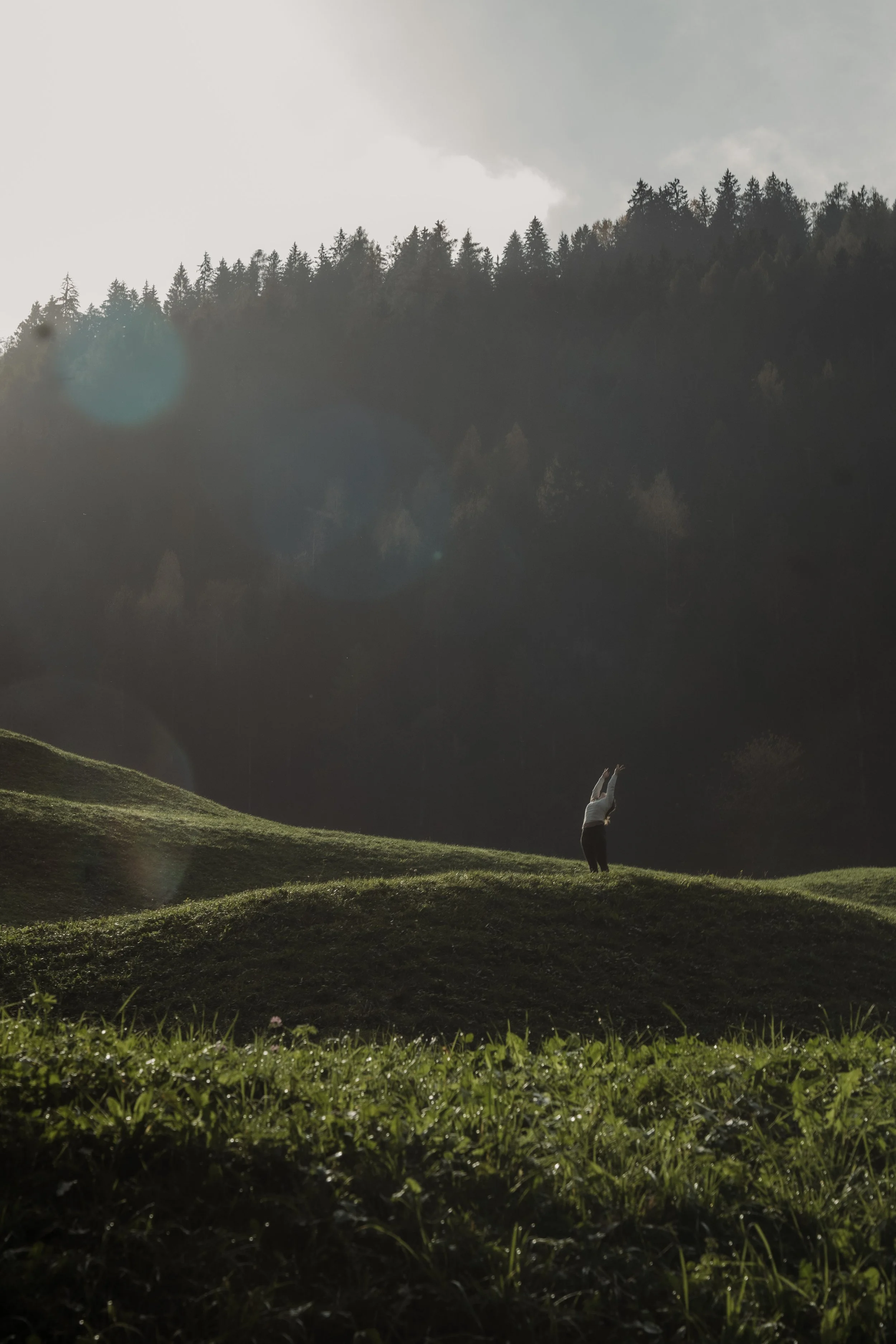
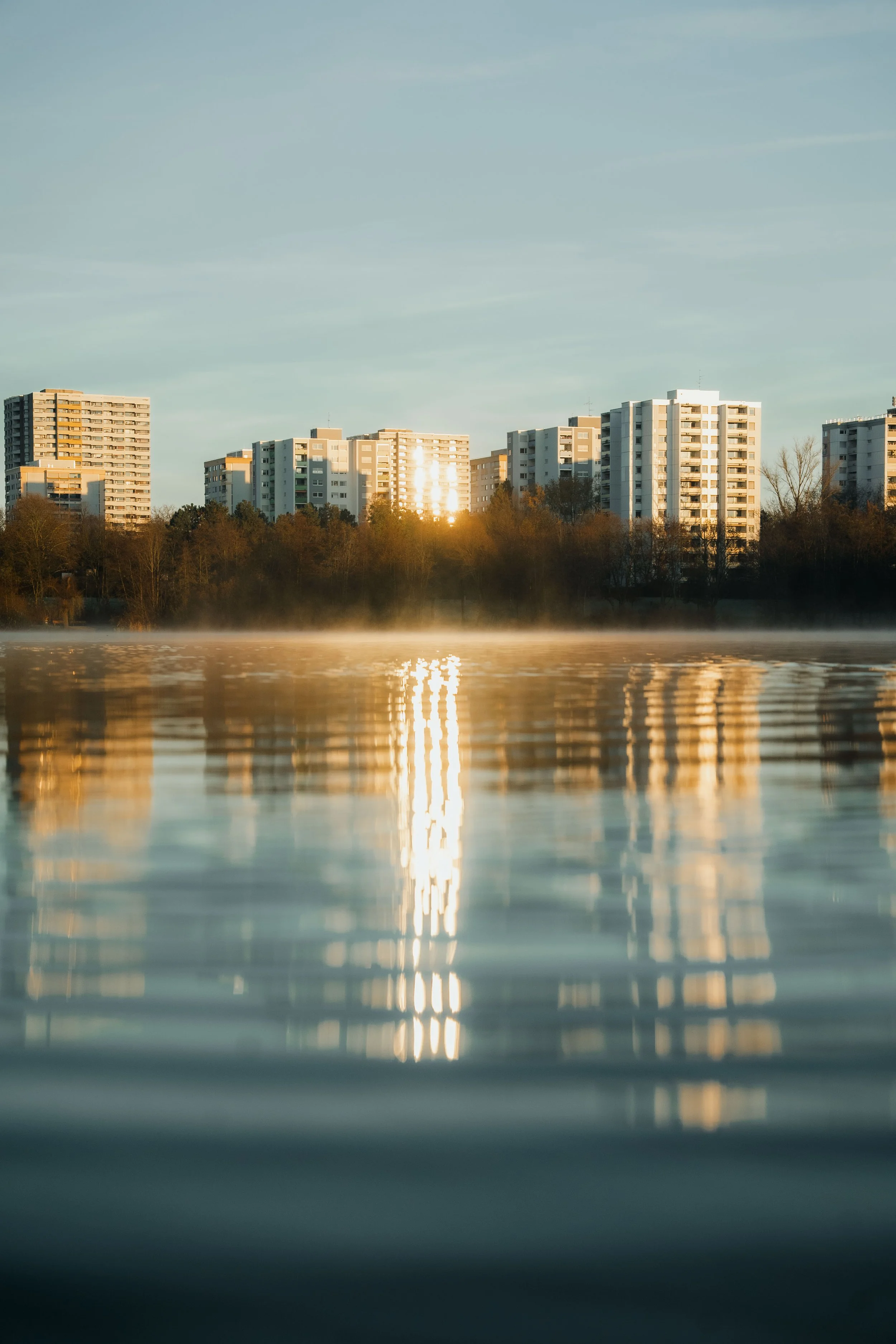
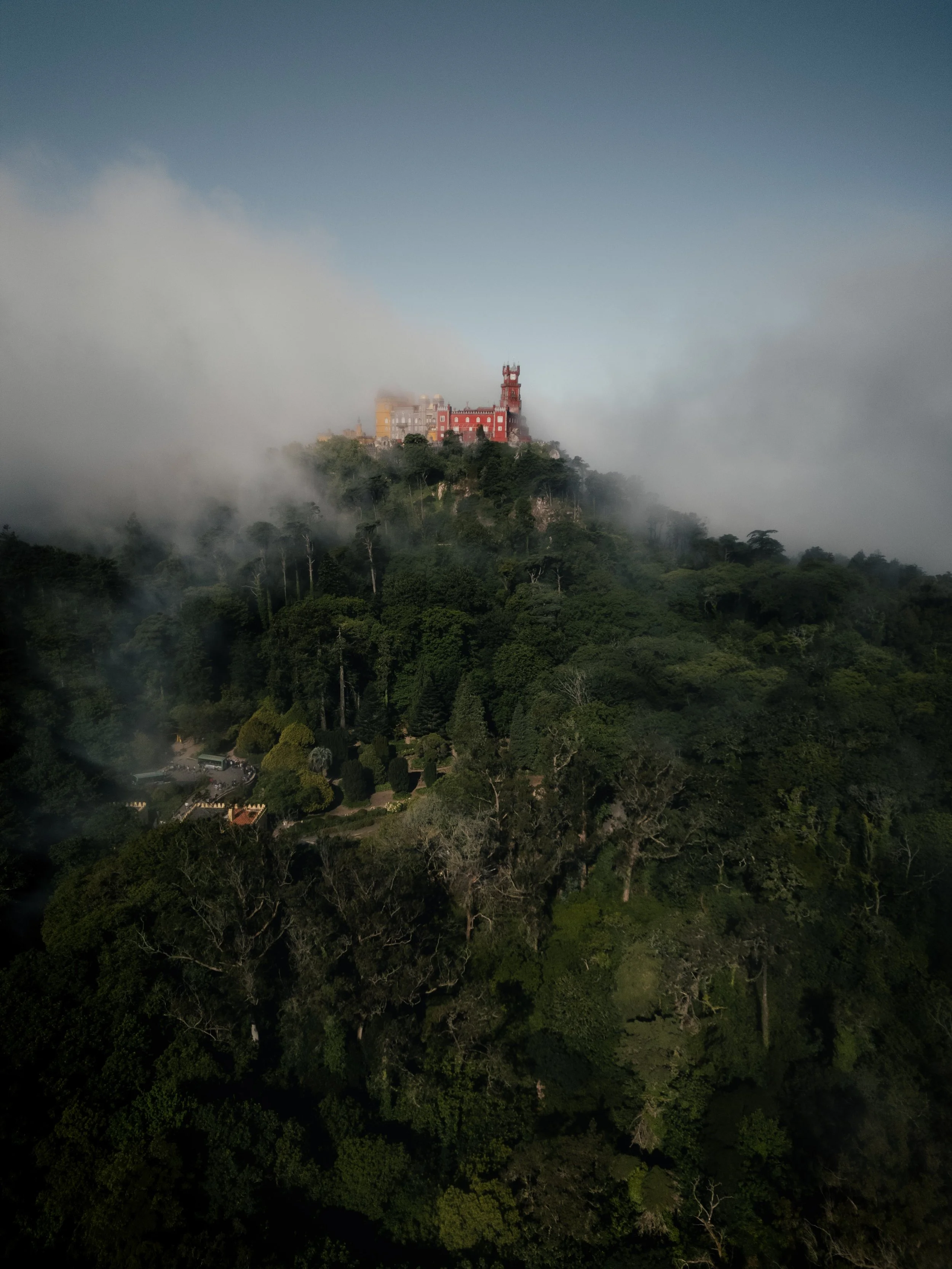
Think about the photographs you still remember years later. Often they are not the loudest images. They are not necessarily the most colorful and they are not always the most dramatic. Instead, they tend to create a feeling. Perhaps it is a quiet morning by the sea, a foggy landscape, soft light entering a room or a moment of stillness that felt meaningful. Those photographs rarely demand your attention. They invite it. And that invitation often creates a deeper connection.
The Trap I Fell Into
Like many photographers, I spent years looking at other people's work. And without noticing it, I slowly started chasing the images that received the strongest reactions. The biggest sunsets. The strongest colors. The most dramatic edits. At first, it felt motivating. But over time, something felt off. I realised that some of the photographs receiving the most attention were not necessarily my favorite photographs. And some of my favorite photographs were often the ones that received the least attention. That was a difficult thing to admit because it forced me to ask a question I had avoided for a long time: “Am I editing this image because I love it, or because I think other people will?”
The answer was not always comfortable.
Editing for Attention
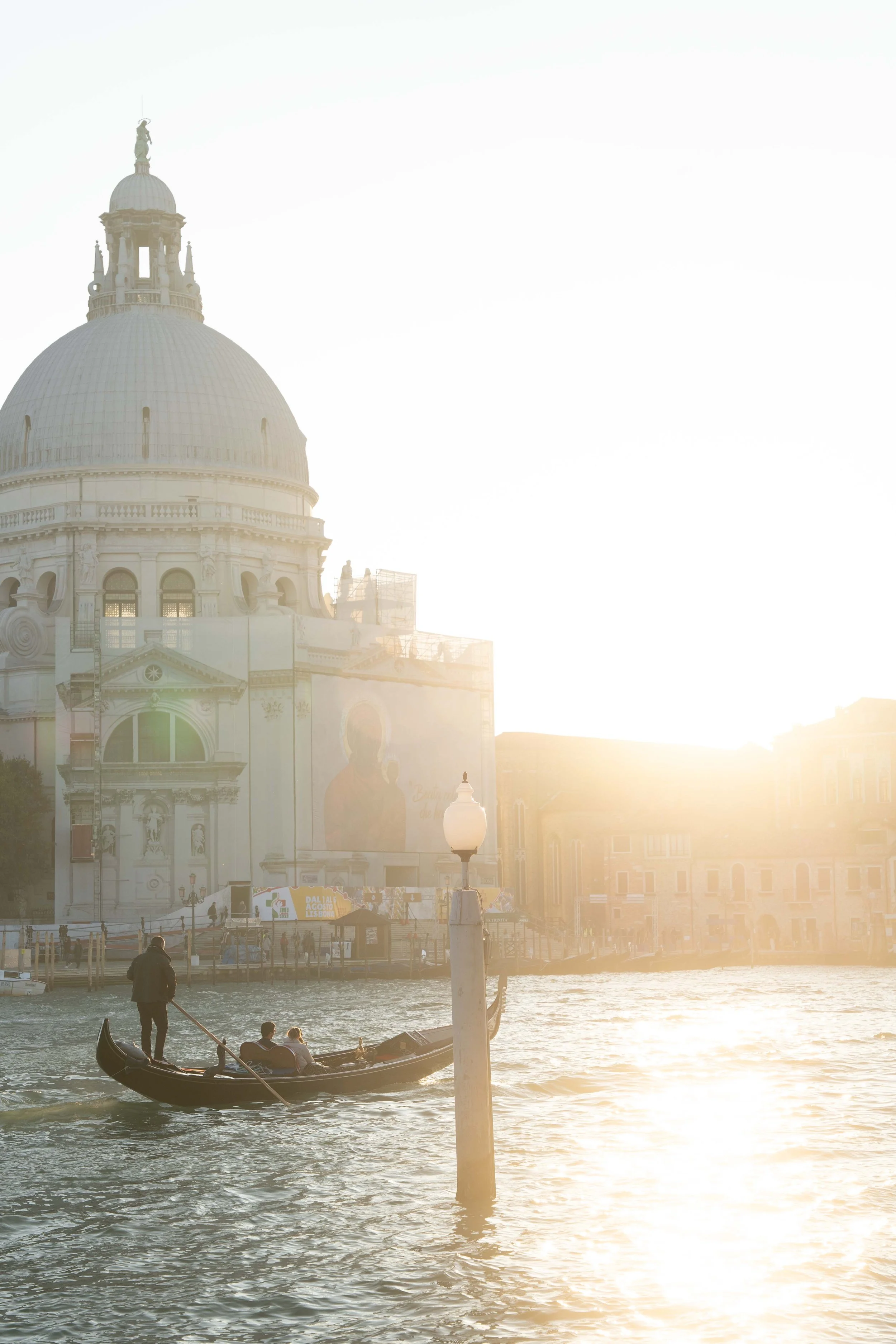
Editing for attention often starts with a simple goal: make the image impossible to ignore. That can lead to stronger colors, more contrast, brighter highlights, darker shadows and increasingly dramatic color grading. Sometimes these choices work beautifully. But sometimes they slowly move the image away from what originally made the scene special. The photograph becomes louder. But not necessarily deeper.
Editing for Atmosphere
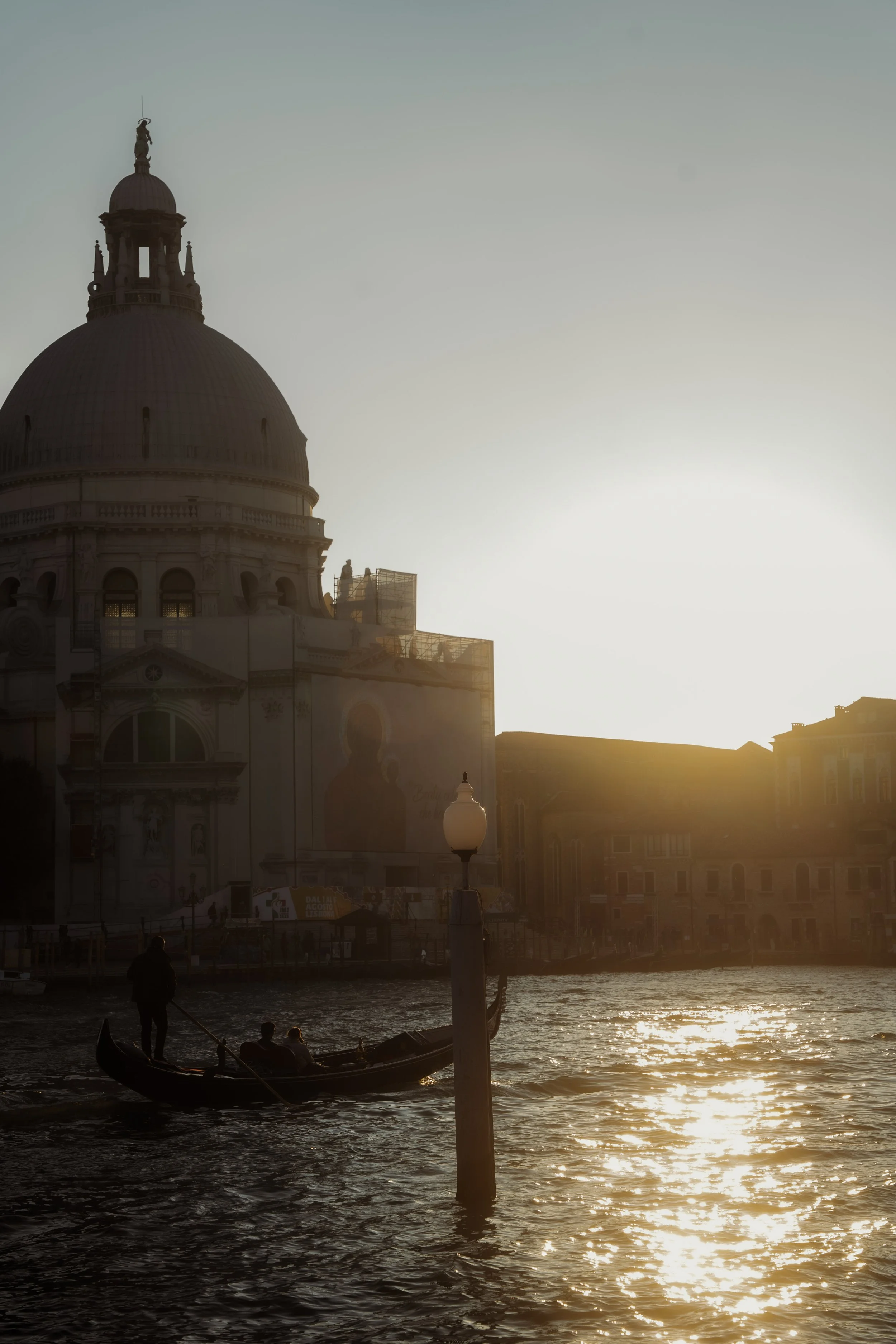
Editing for atmosphere starts somewhere else. Instead of asking: “How do I make this image stand out?” You begin asking: “What was it that attracted me to this scene in the first place?” Sometimes the answer is the light. Sometimes it is the calmness. Sometimes it is the sense of space. Sometimes it is a feeling that is difficult to describe. The goal is not to create something new. The goal is to strengthen what was already there. That often leads to very different editing decisions. The focus shifts away from adding more intensity and moves toward creating better balance, more harmonious colors and a clearer sense of what actually mattered in the scene.
You may even darken a photograph slightly, reduce distractions or simplify the colors. Not because you are trying to make the image more dramatic, but because you are trying to guide the viewer toward the feeling that first attracted you to the scene.
Neither Approach Is Wrong
One thing I have learned is that this is not a battle between good and bad editing. There are situations where attention is exactly what a photograph needs. And there are situations where atmosphere matters more. The important part is understanding which one you are pursuing. Because if your goal is atmosphere, editing purely for attention can quickly pull you away from what made the image meaningful in the first place.
What Changed for Me
Over time, I became less interested in creating images that immediately impressed people and more interested in creating images that felt honest to me. That shift changed everything. The photographs I enjoy making today are often quieter. The edits are often simpler. The colors are often more restrained. Not because I dislike dramatic photography. But because I realised that what I was searching for was not attention. It was connection. And connection often grows in quieter spaces.
A Question I Still Ask Myself
Whenever I finish an edit, I sometimes ask myself a simple question: “Does this image feel more like the moment I experienced, or more like the reaction I hope to get?” The answer usually tells me a lot. Because attention and atmosphere can sometimes look similar. But they come from very different places.
Today, I still appreciate photographs that immediately grab my attention. But the images I return to most often are usually the ones that create a feeling I cannot fully explain. And perhaps that is the simplest difference between attention and atmosphere. One asks to be noticed. The other asks to be felt.
Why Most Lightroom Presets Fail or Why Most People Edit Colors Too Early in Lightroom.
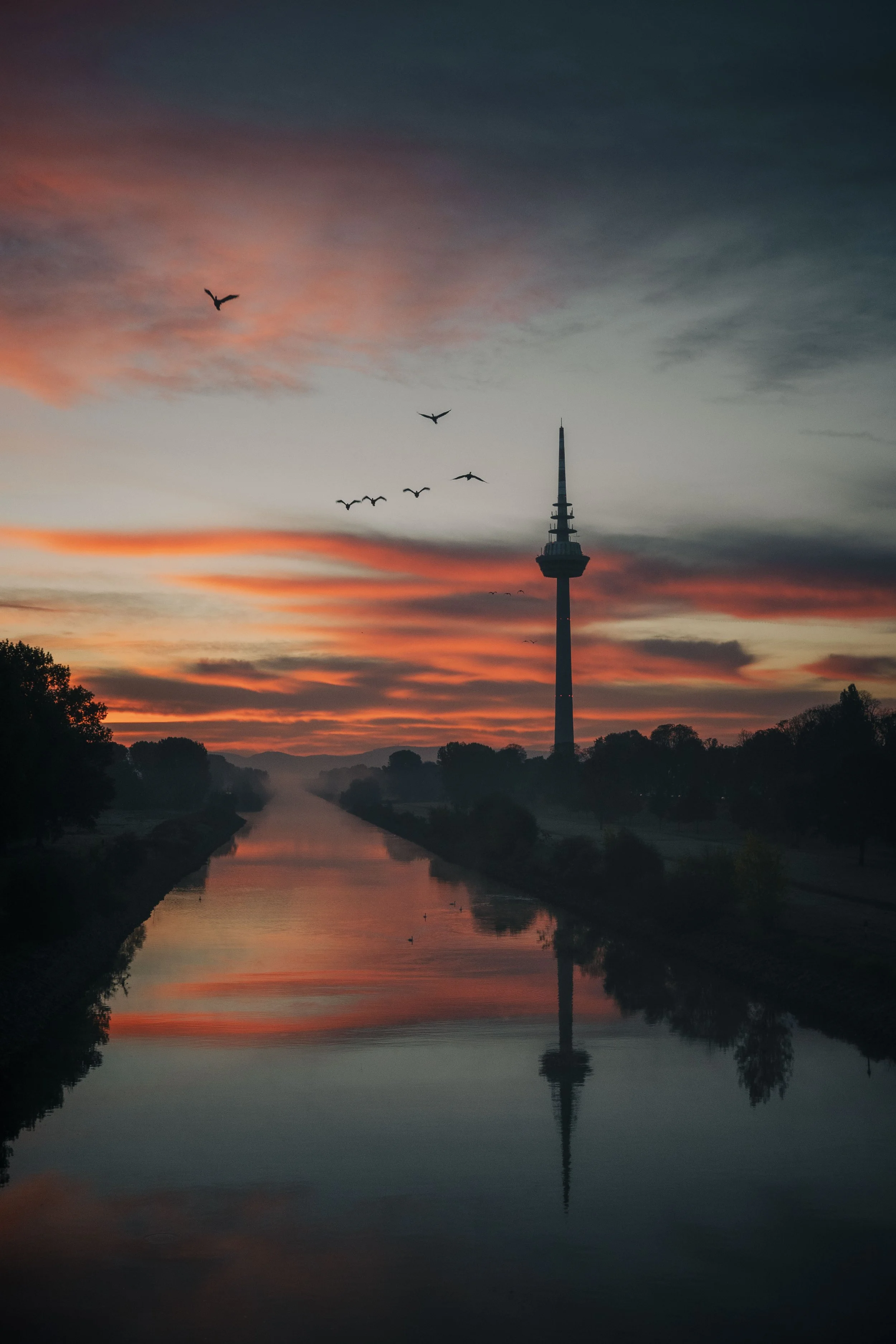
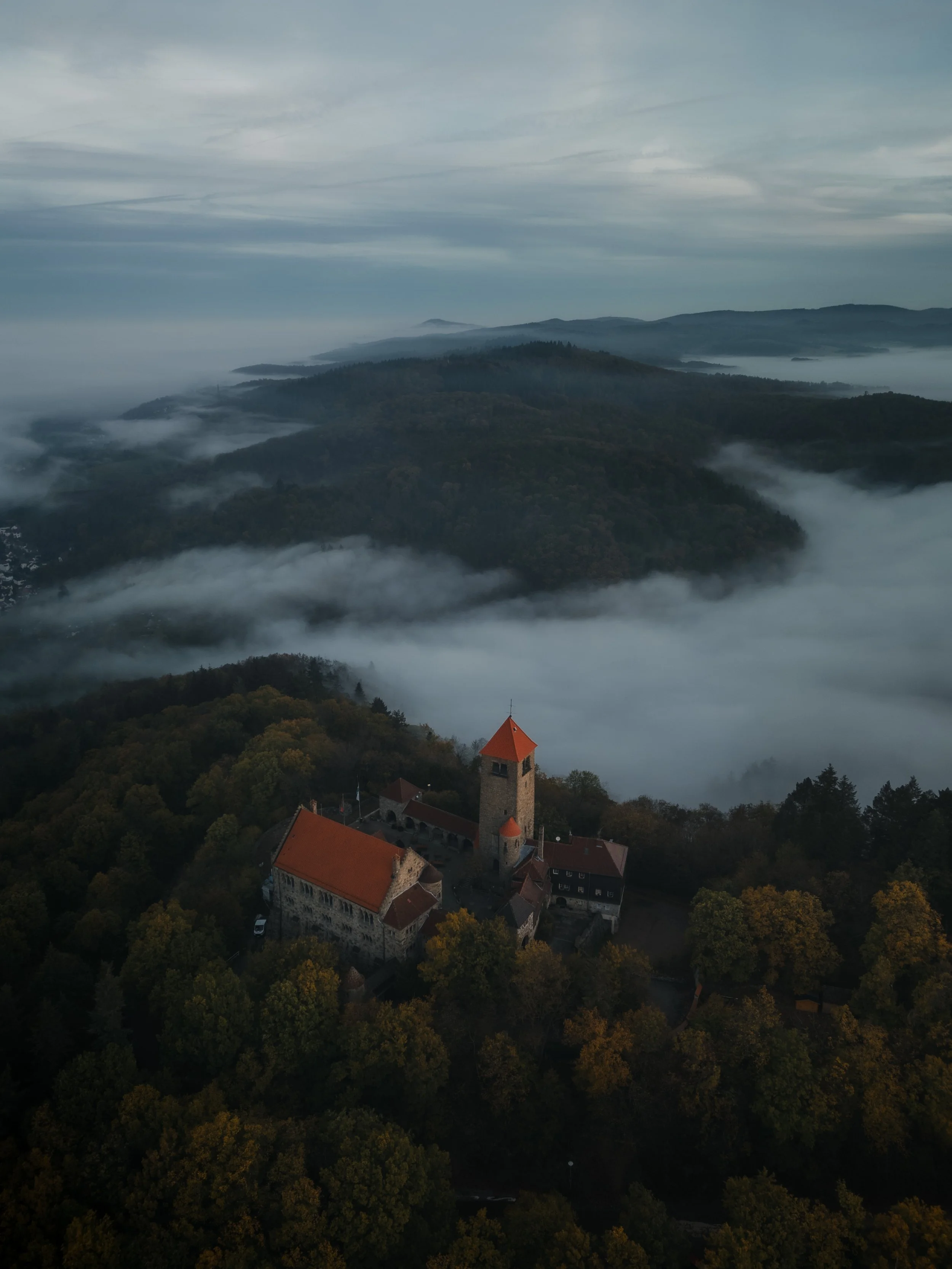
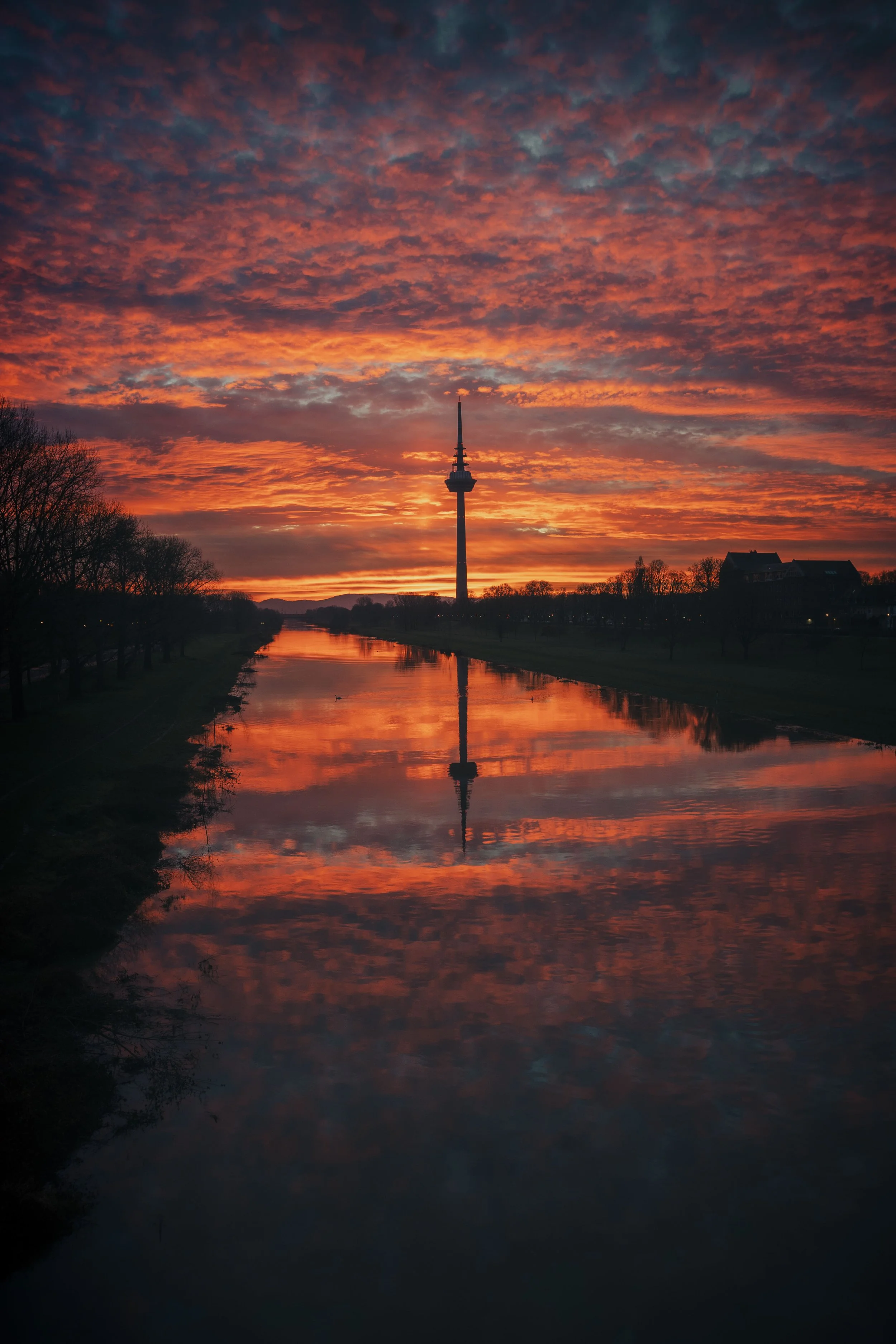
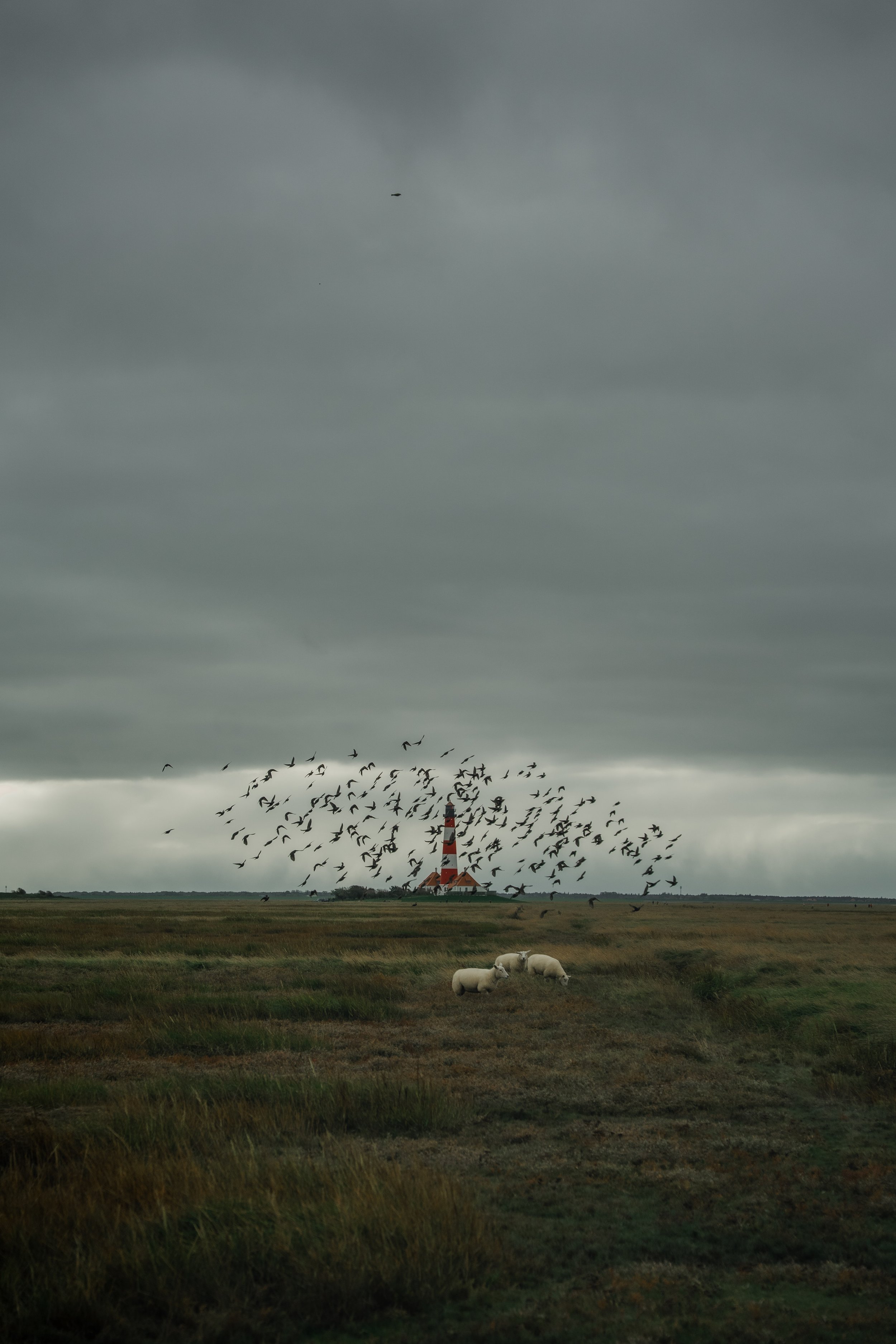
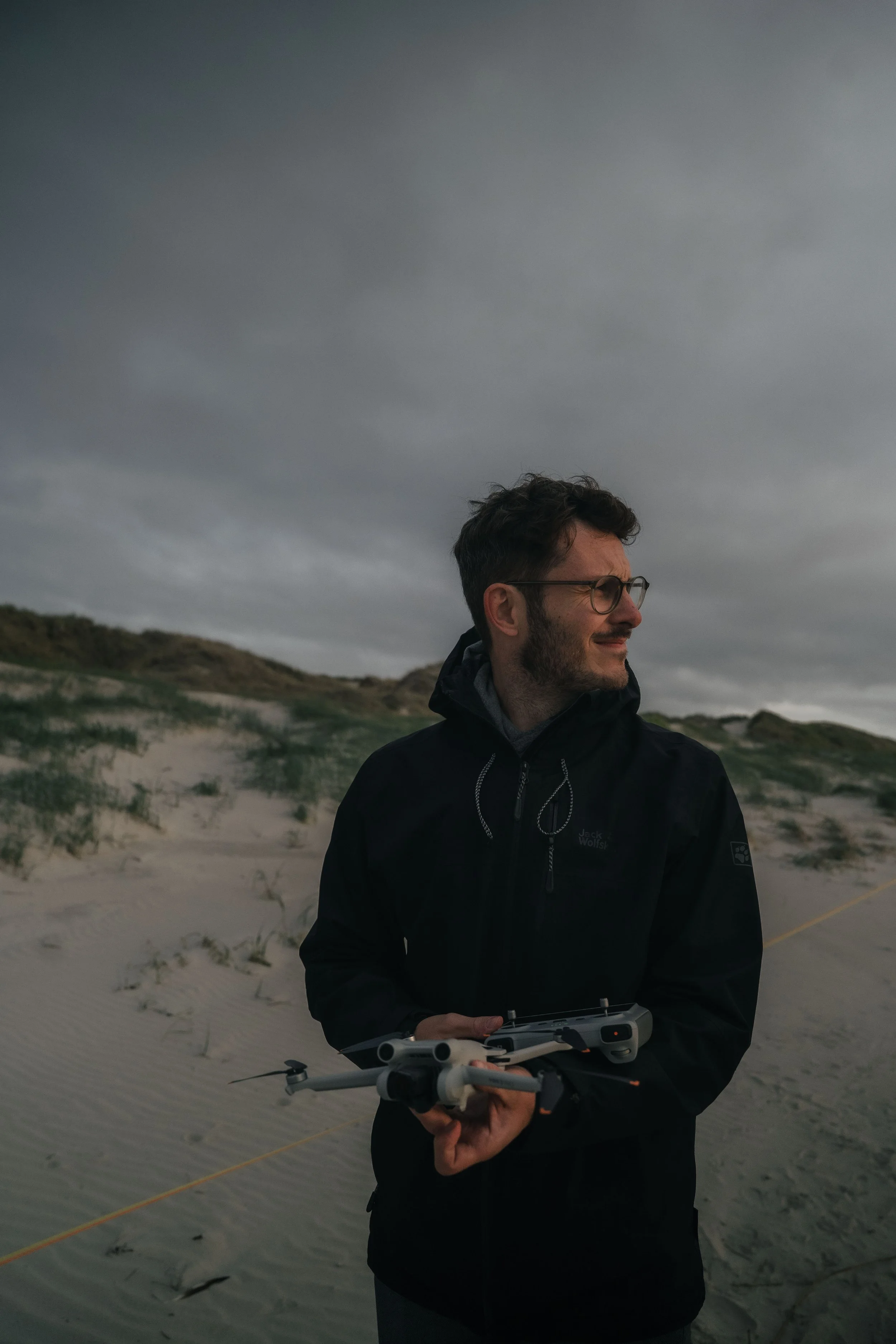
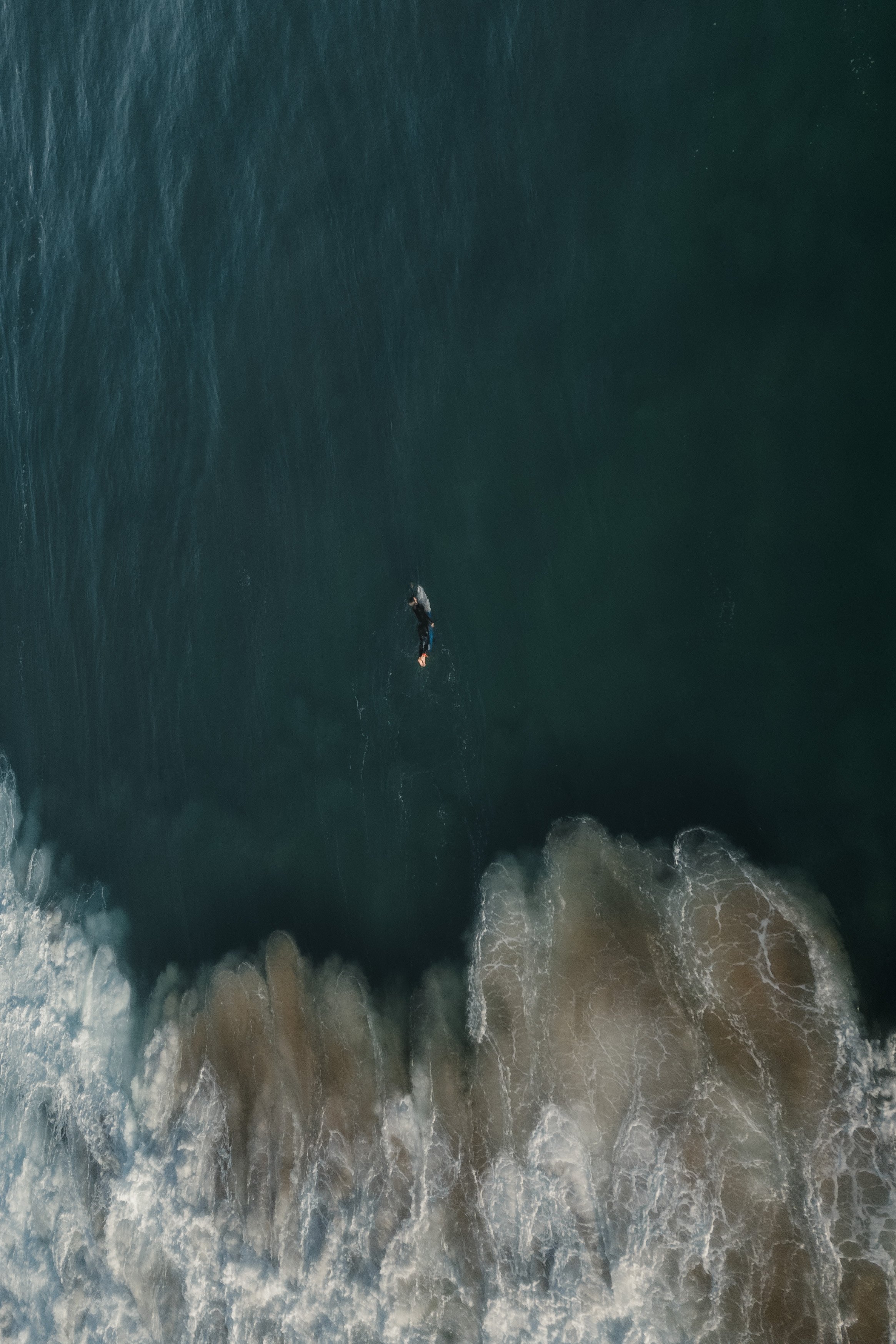

At first, starting a Lightroom edit in black and white may seem counterintuitive. After all, most of us care deeply about color. Yet removing color for a moment can reveal something more important: the light, balance and structure that hold an image together. In this article, I explain why I still begin many edits in black and white and how this simple approach changed both my editing workflow and the way I photograph.