Why Consistency Is About Decisions, Not Presets
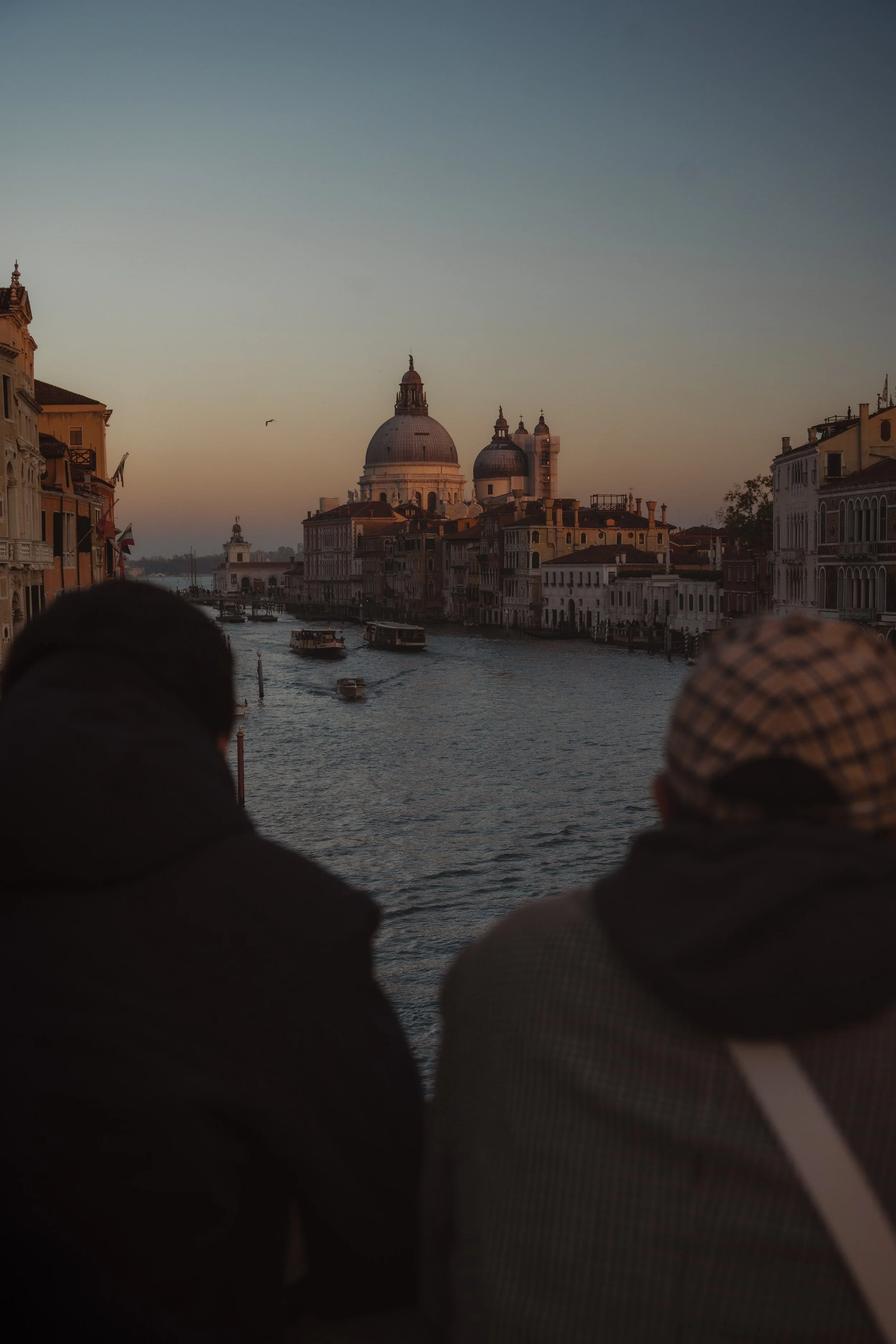
Many photographers want a consistent editing style. I certainly did that too. At some point, most of us start looking for the same thing:
“How do I make all my photos look like they belong together?”
It seems like a reasonable question. When we see photographers with a recognizable style, their work often feels incredibly consistent. Whether they photograph mountains, cities, hotels or coastlines, you can usually tell that the images belong to the same person.
So naturally, many photographers assume that consistency comes from editing. Maybe from a preset. Maybe from a specific color palette. Maybe from a secret Lightroom formula. I used to think that too. Today, I believe consistency starts much earlier.
A Simple Test
Imagine removing all color from a photograph. No color grading. No presets. No HSL adjustments. Nothing. Would you still recognize the photographer?
For many photographers with a strong visual identity, the answer is surprisingly often yes. Not because of the editing, but because of the choices they make before they ever open Lightroom.
The way they use light. The scenes they are drawn to. The compositions they choose. The emotions they are trying to capture. Those things often remain visible even when every color disappears.
Why Consistency Starts Before Editing
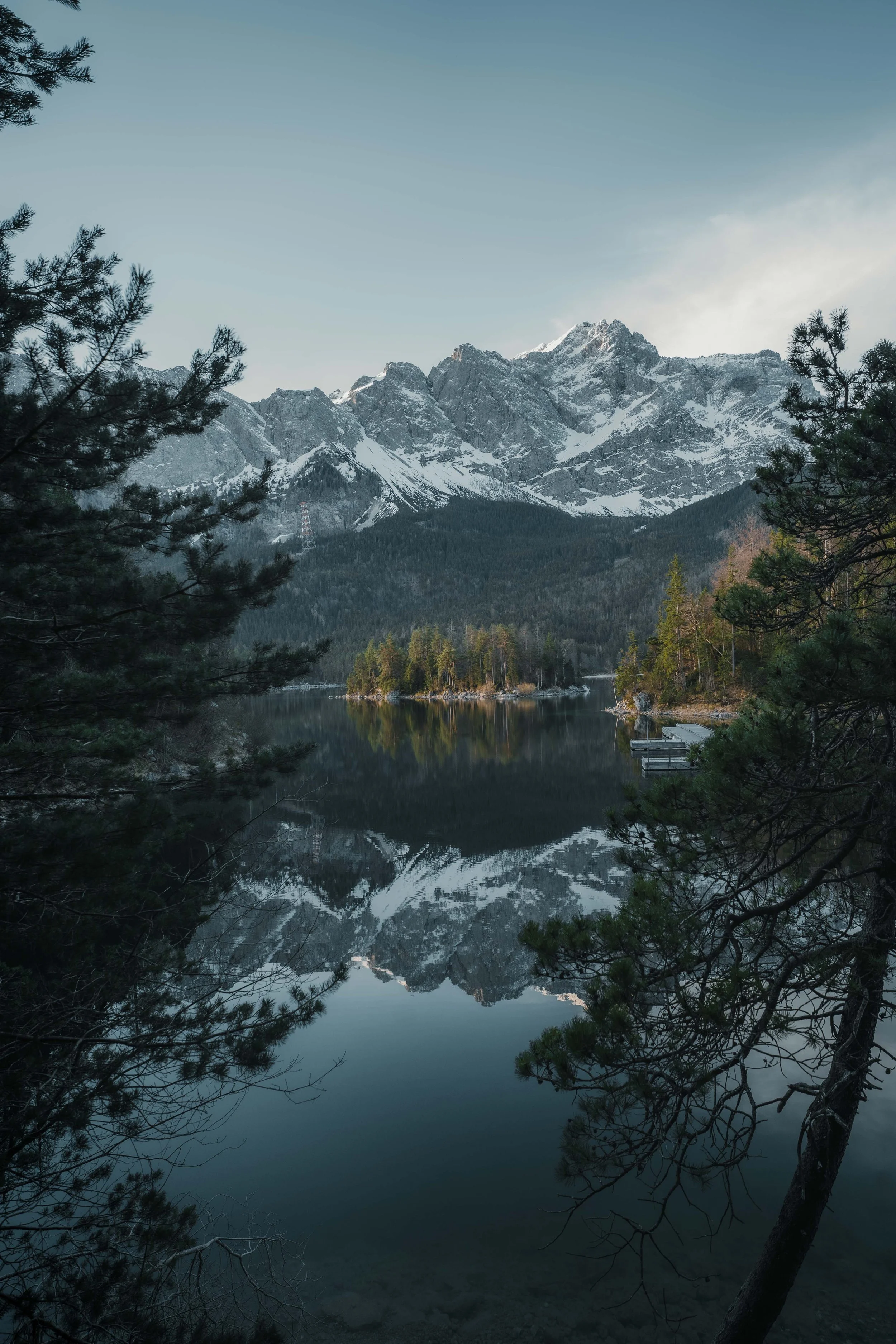
For a long time, I thought consistency was something I would eventually achieve in Lightroom. I believed that if I could just find the right preset or the right color formula, all my images would suddenly fit together. But when I started looking through my favorite photographs, I noticed something interesting. Many of them shared similar qualities long before I edited them.
They were often photographed in soft light. They contained calm transitions rather than dramatic contrast. They felt quiet. They gave space to breathe. And most importantly, they made me feel something similar. The consistency was already there.
The editing simply helped reveal it.
What Consistent Photographers Actually Repeat
When people think about consistency, they often focus on colors. But colors are usually only one small part of the equation. What many photographers repeat over and over again are their decisions.
They repeatedly choose similar light. They return to similar moods. They frame scenes in a familiar way. They are naturally attracted to certain environments, certain emotions and certain moments. Over time, those repeated decisions begin to create a recognizable visual language. Not because they planned it, but because they kept following what genuinely interested them. That is why consistency often feels authentic when it develops naturally. It is not being forced. It is being discovered.
Looking Back Changed Everything
One of the most useful exercises I ever did was looking back through my own photographs. Not to evaluate the editing. Not to compare myself to others. But simply to ask:
“Which images still feel like me?”
The answers surprised me.
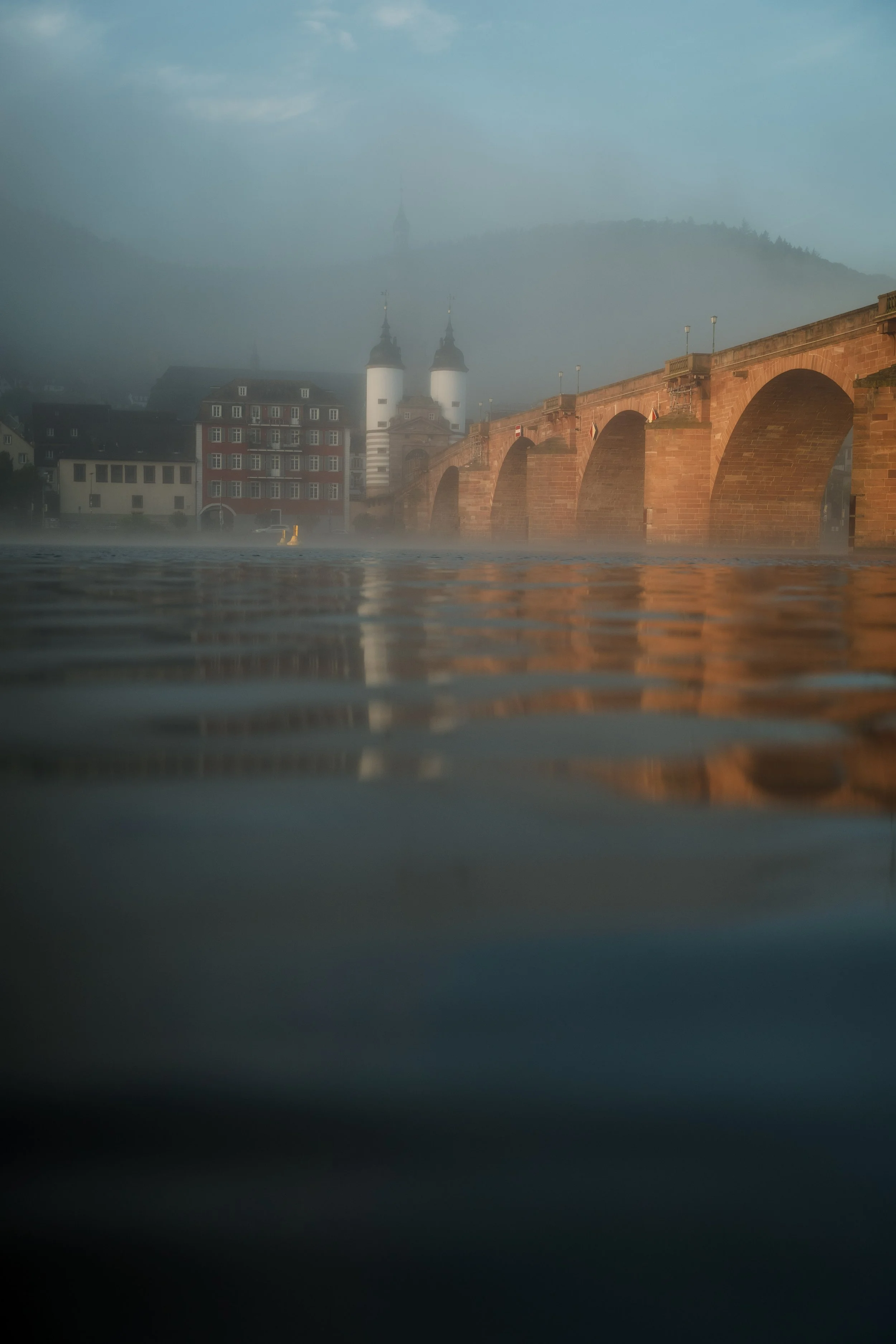
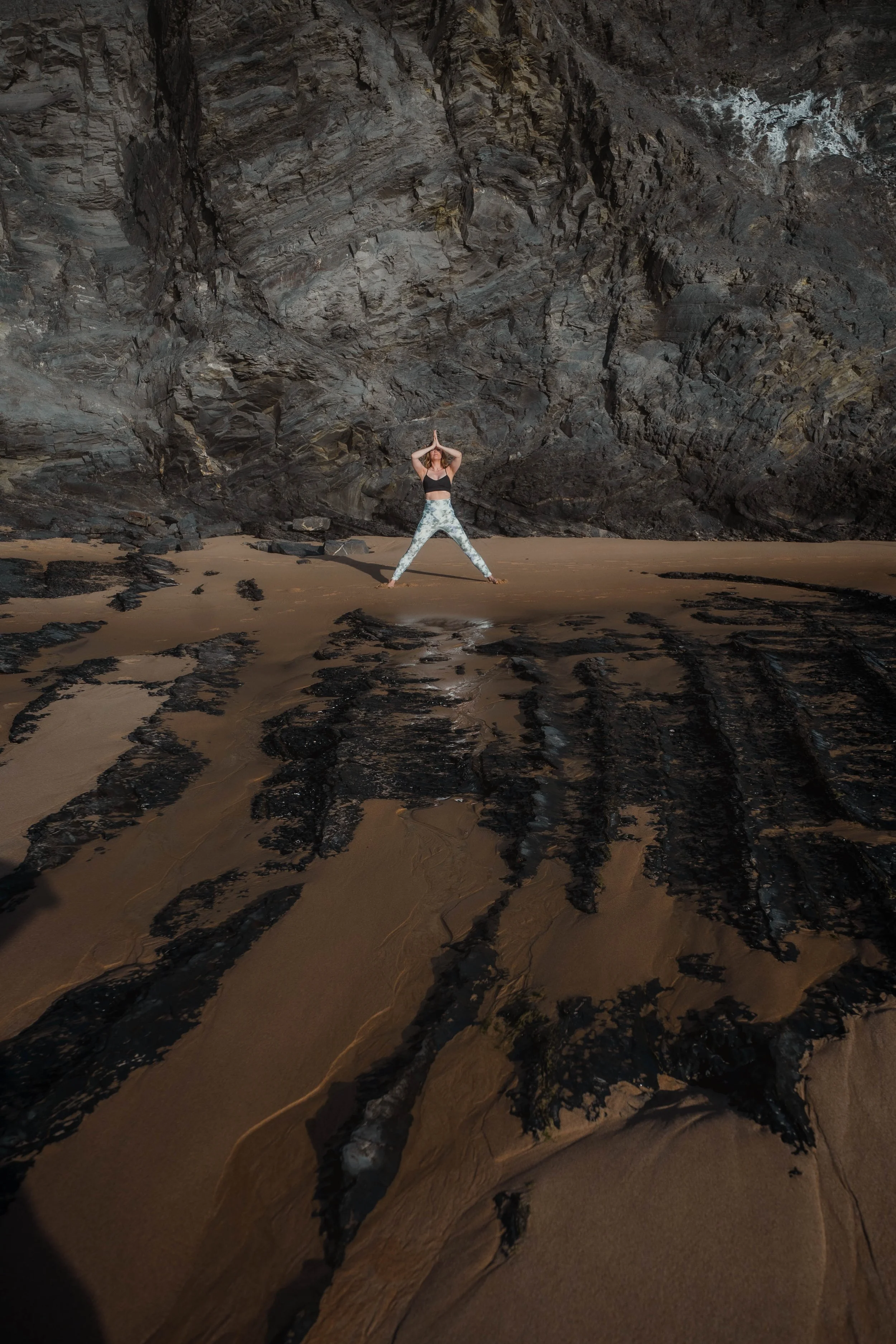
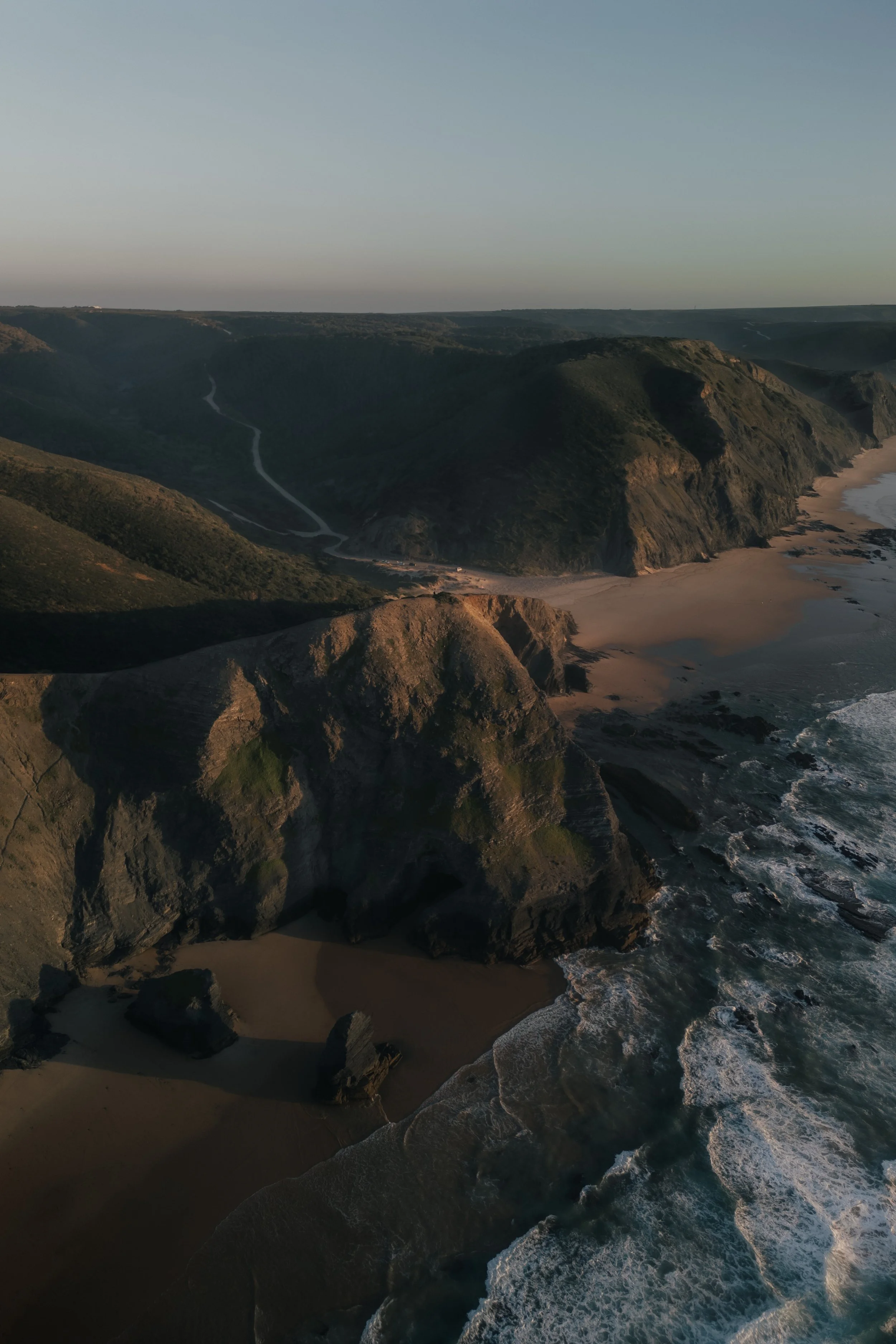
Many of my favorite photographs were taken years apart. Some were captured in Portugal. Some in Germany. Some near the ocean. Others in the mountains. Yet they shared something difficult to describe. The atmosphere felt familiar. The light felt familiar. The emotional tone felt familiar. That was the moment I started understanding that style is often less about creating something new and more about recognizing patterns that already exist.
Consistency Requires Honest Reflection
One thing took me much longer to understand. Developing a style is not only about taking photographs. It is also about paying attention to your own reactions. Why does one image stay with you while another is forgotten? Why are you repeatedly drawn to certain scenes? Why do some photographs feel like an honest expression of yourself while others simply feel impressive?
These questions matter more than most photographers realise.
Over time, I started noticing patterns. I was often drawn to soft morning light rather than harsh midday sun. I preferred calm scenes over busy ones. I liked images with space to breathe. Certain focal lengths felt natural to me, while others never quite did. I noticed that I was repeatedly attracted to diagonal lines, soft transitions and atmospheric conditions such as fog, mist or backlight. Not because I had decided that these things should become part of my style, but because they genuinely resonated with me.
And that is an important distinction. You do not always need to explain why you like something. But you should be honest about what you like. Sometimes photographers spend years trying to create images they think they should like instead of paying attention to the images they actually love. Social media can make this even harder. Some photographs perform well because they are dramatic, colorful or attention-grabbing. And there is nothing wrong with that. But a useful question to ask yourself is this:
“Would I still love this image if nobody else ever saw it?”
The answer is often surprisingly revealing. Because not every successful photograph is a personal photograph. And not every personal photograph will become successful online. The more honestly you can answer those questions, the easier it becomes to recognise what truly belongs to your style.

Why Presets Cannot Create This
A preset can influence colors. It can influence contrast. It can influence mood. But it cannot decide what attracts your attention. It cannot tell you which moments matter to you. It cannot choose what kind of atmosphere you want to create. Those decisions belong to you.That is why two photographers can use exactly the same preset and still produce completely different bodies of work. The preset is the same. The person behind the camera is not. And that difference matters far more than most people realize.
The Real Source of Consistency
Today, I think consistency is less about editing and more about awareness. The more clearly you understand what you are drawn to, the easier it becomes to create work that feels connected. Not because every image looks identical, but because every image reflects similar decisions.
The light. The atmosphere. The pacing. The feeling. Those choices gradually become your style. And once that happens, editing becomes much simpler. You stop trying to make every image fit a preset. Instead, you begin using editing to support decisions that were already present from the moment you pressed the shutter.
Your Style Is a Collection of Decisions
For a long time, I searched for consistency in Lightroom. Today, I believe I was looking in the wrong place. Because consistency is not something you install. It is not something you buy. And it is not something a preset can create on its own.
It grows through the decisions you make again and again. The moments you notice. The light you wait for. The stories you choose to tell. A preset can strengthen those decisions. But it cannot make them for you. At the same time, editing should not be underestimated.
Every preset already contains a series of creative decisions made by another photographer. Decisions about color, contrast, brightness, mood and atmosphere. And when you edit your own images, you are making those decisions too.
You choose whether a scene feels warm or cool.
You decide whether the colors become softer or more vibrant.
You decide how much contrast, depth or atmosphere an image should have.
In that sense, editing is absolutely part of developing a personal style. Not because the settings create the style on their own. But because they allow you to reinforce what you already saw and felt when you took the photograph. That is why style is rarely found in a single preset. It emerges through hundreds of small decisions — behind the camera and inside Lightroom. Because in the end, your style is not a collection of settings. It is a collection of decisions. And that difference changes everything.
If you're trying to develop an editing style that feels authentic to you, you might also enjoy reading Why Most Lightroom Presets Fail or Why Most People Edit Colors Too Early in Lightroom.
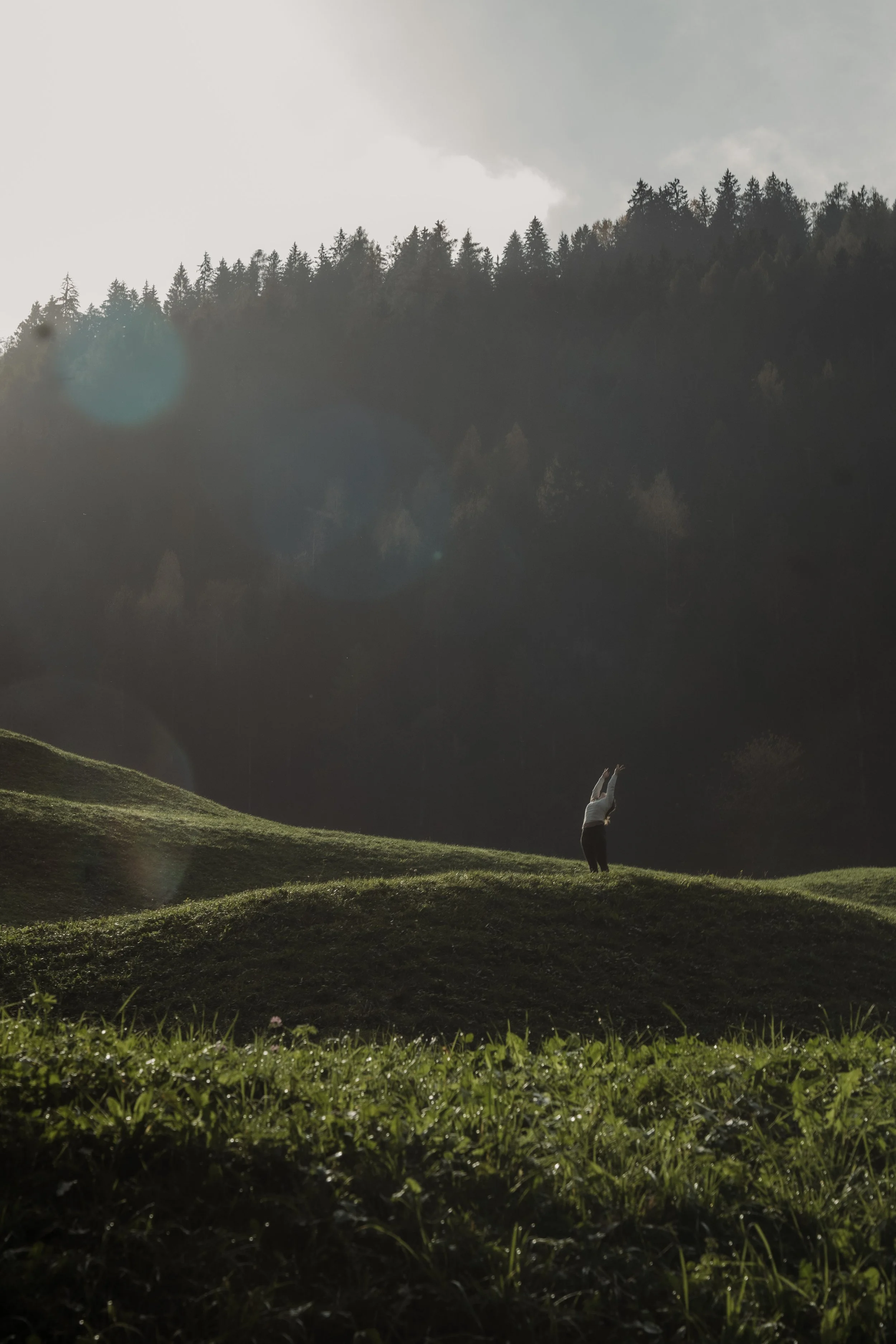
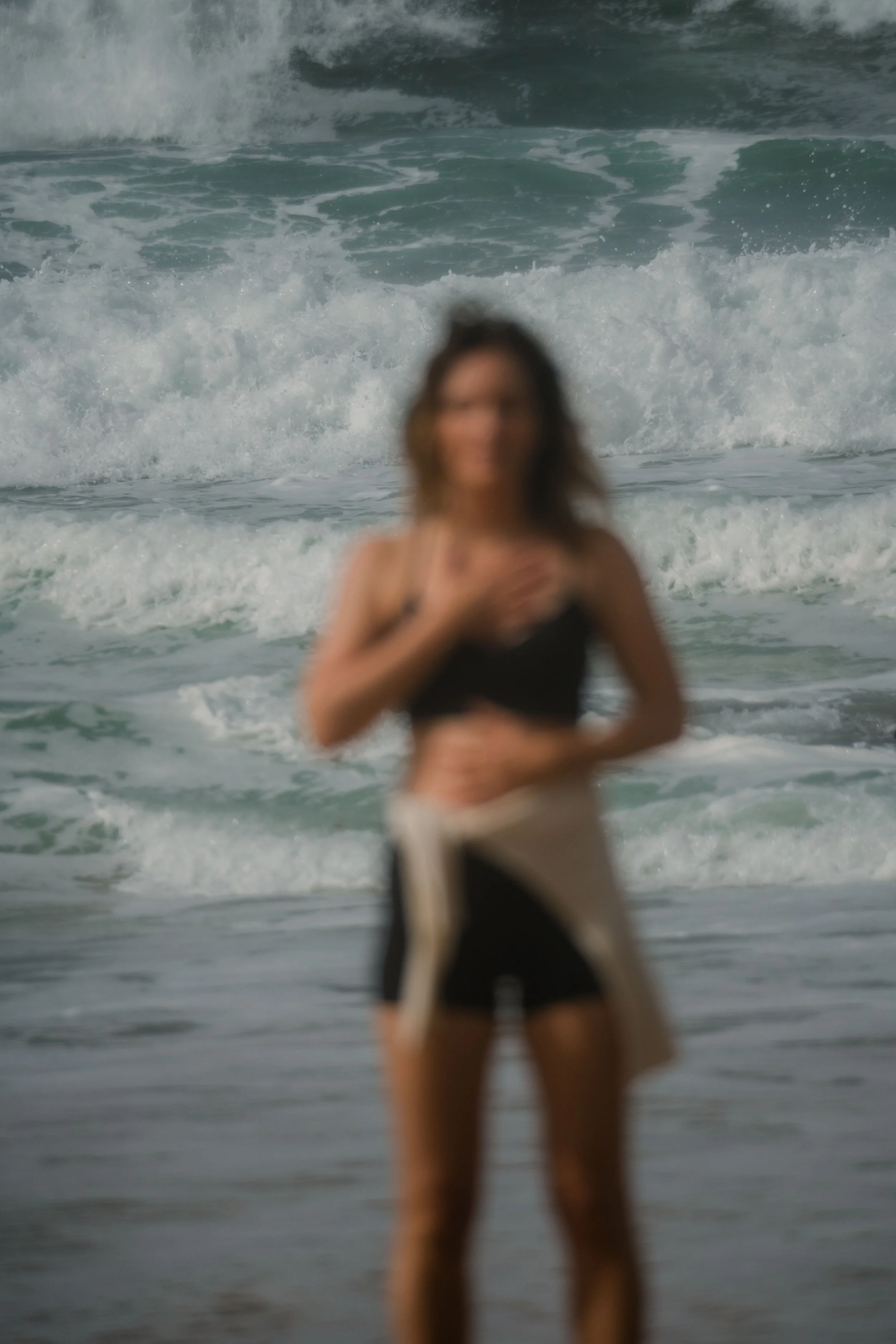
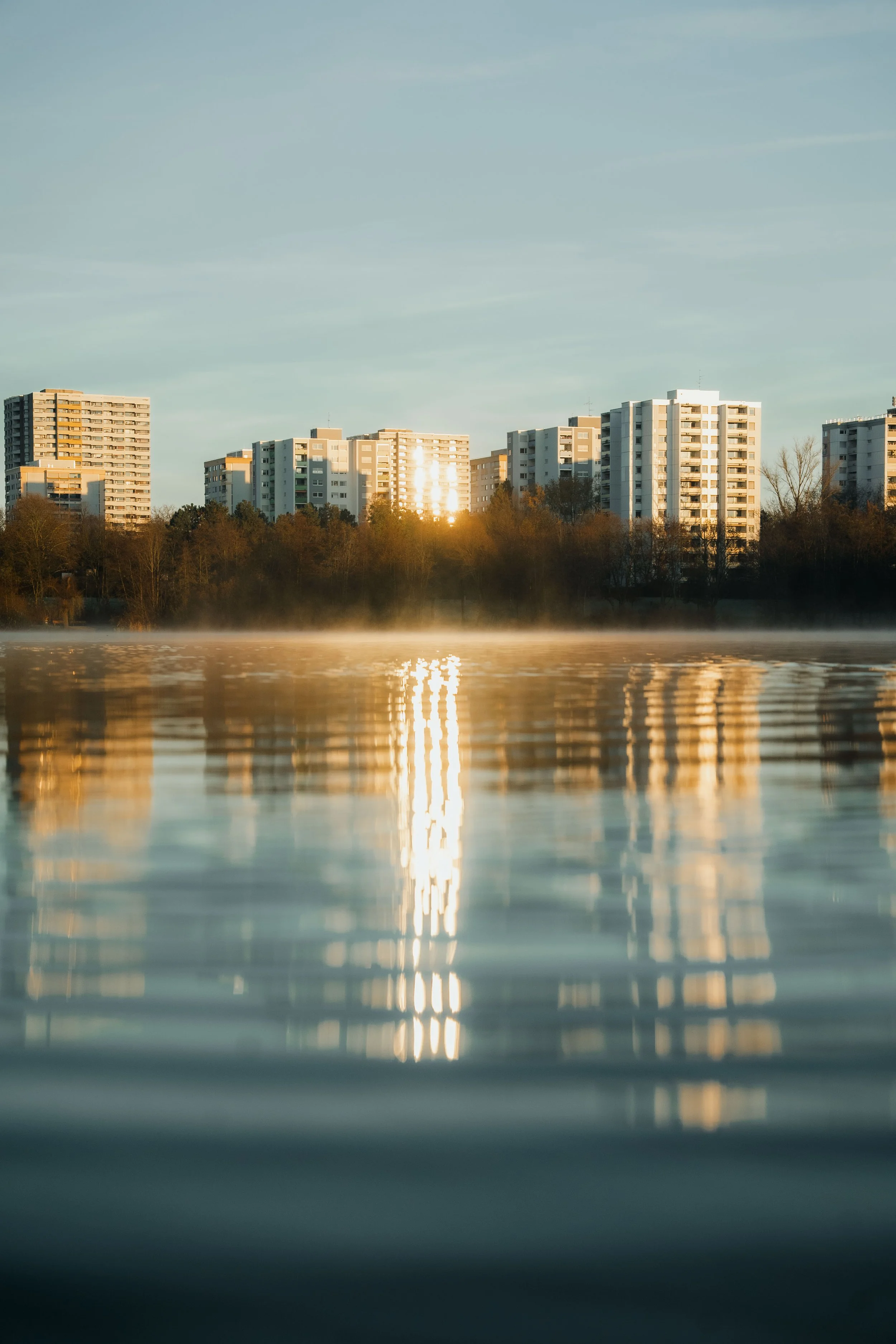
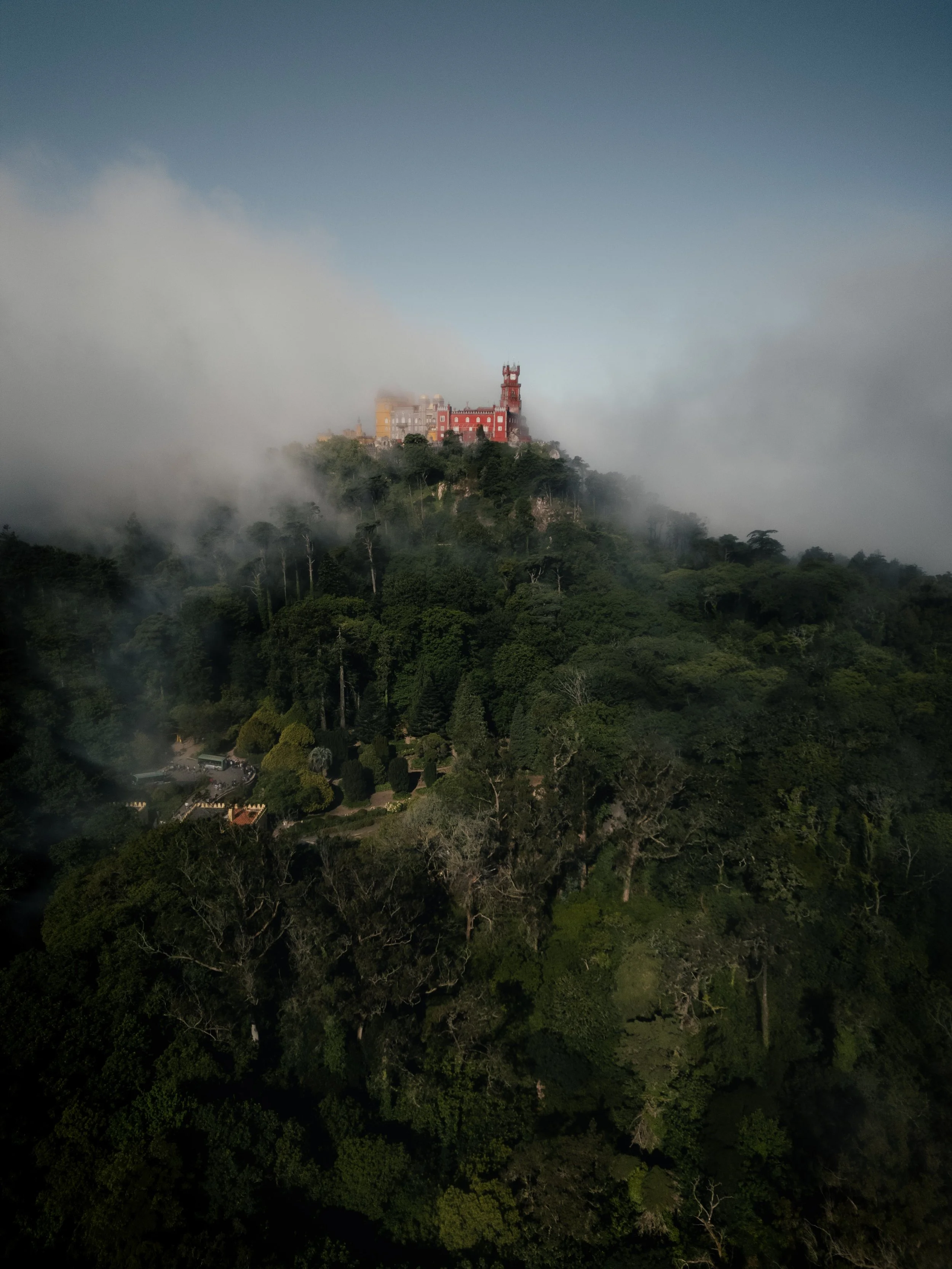
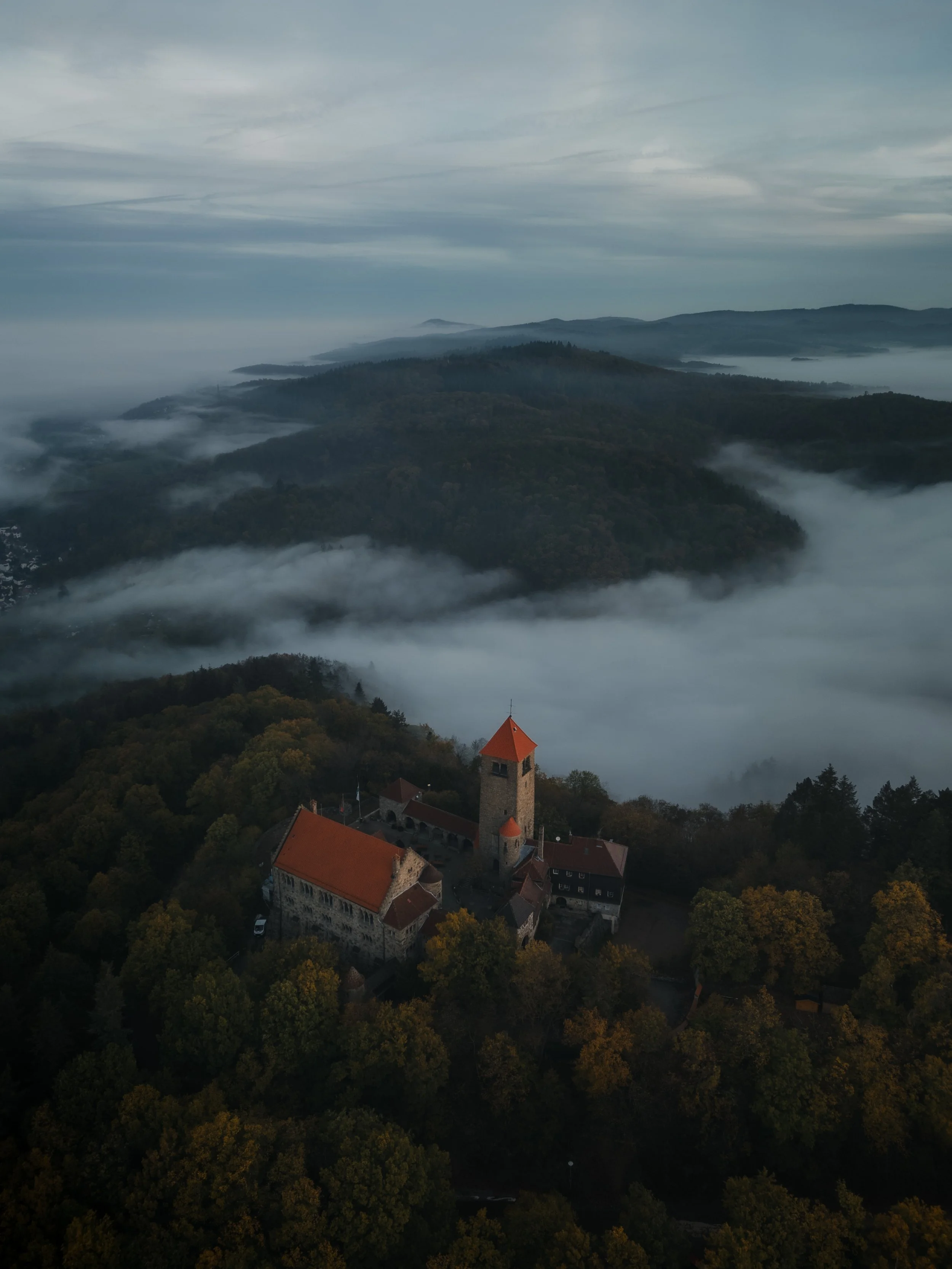
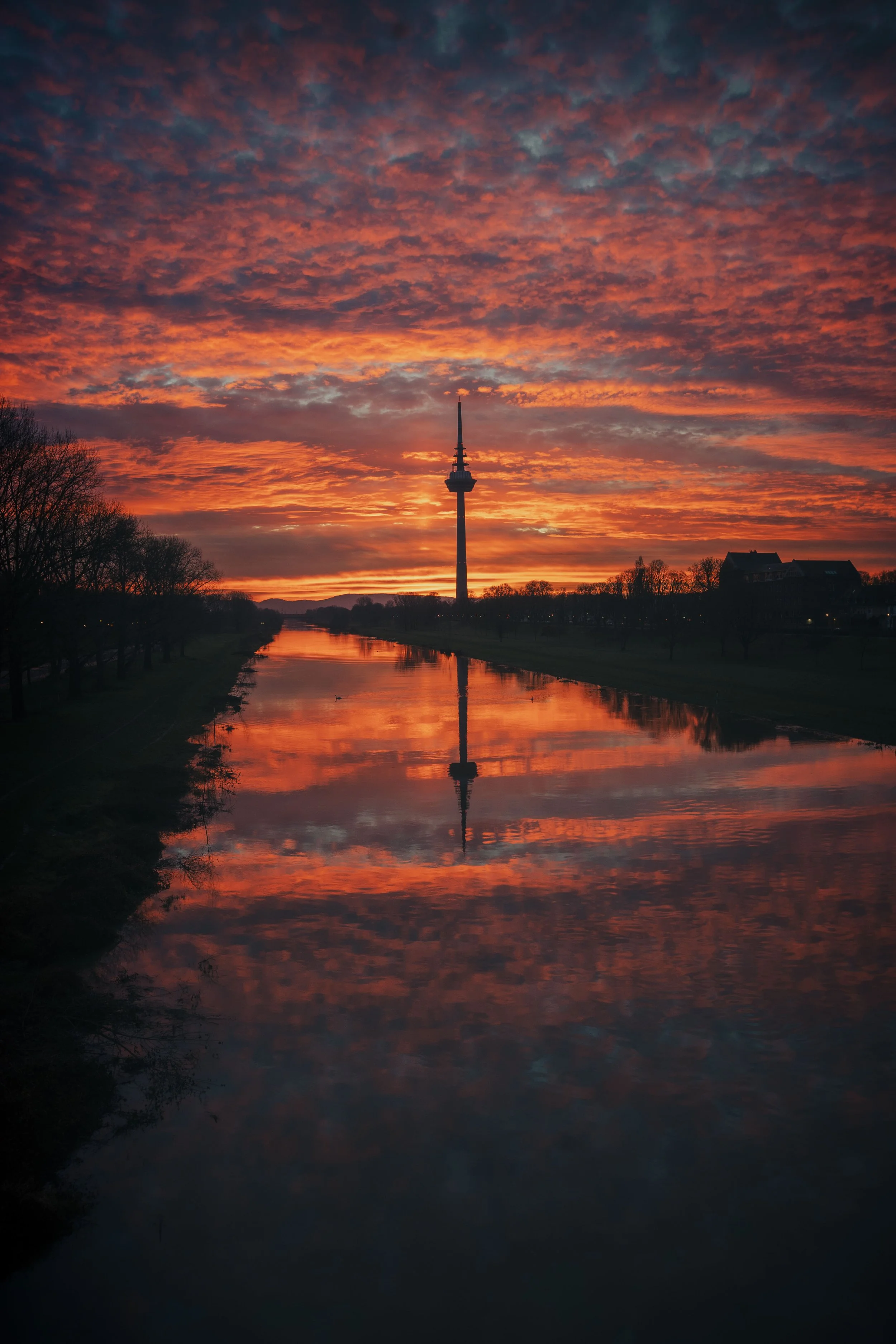
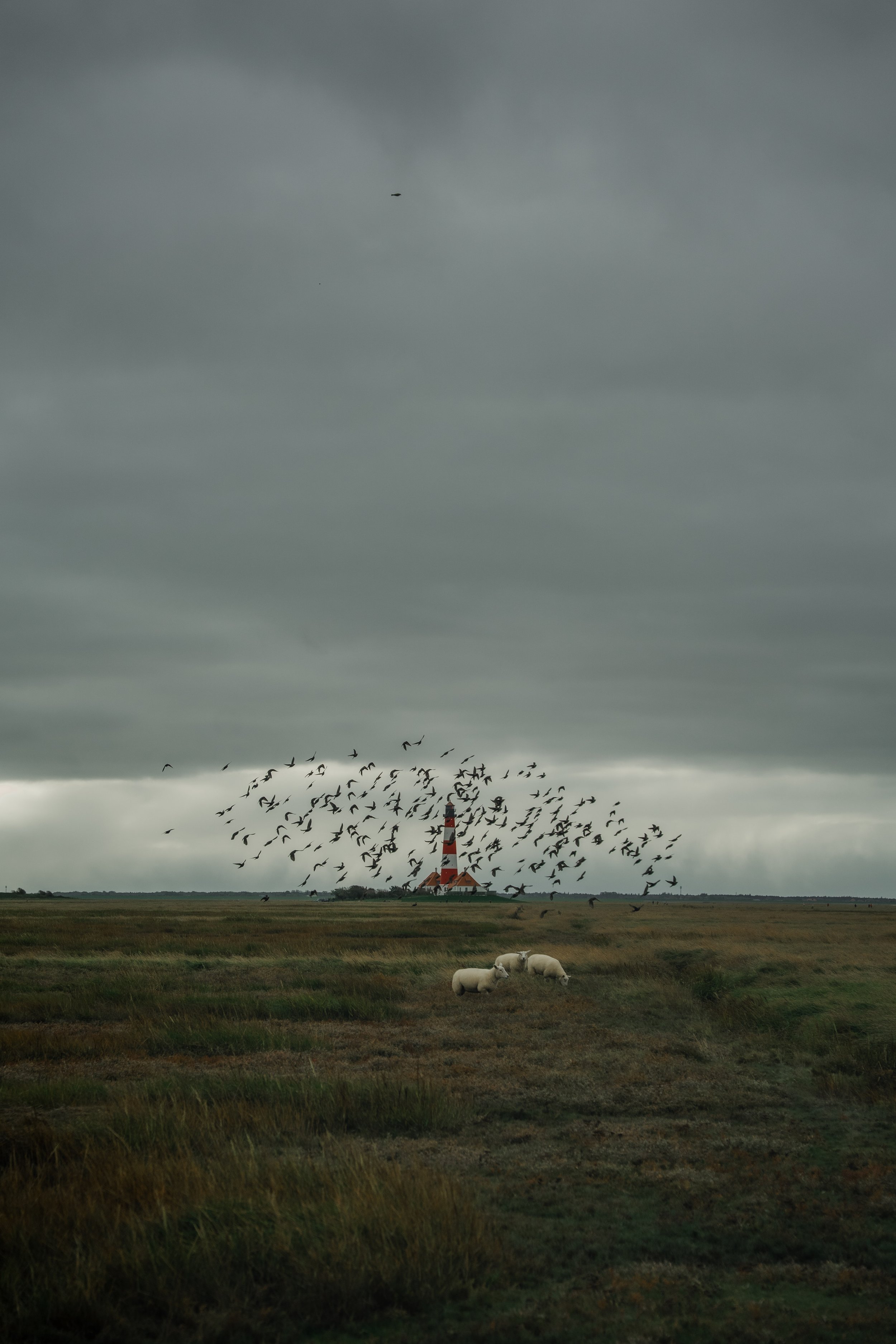


At first, starting a Lightroom edit in black and white may seem counterintuitive. After all, most of us care deeply about color. Yet removing color for a moment can reveal something more important: the light, balance and structure that hold an image together. In this article, I explain why I still begin many edits in black and white and how this simple approach changed both my editing workflow and the way I photograph.