Why Atmosphere Comes From Light Before Color
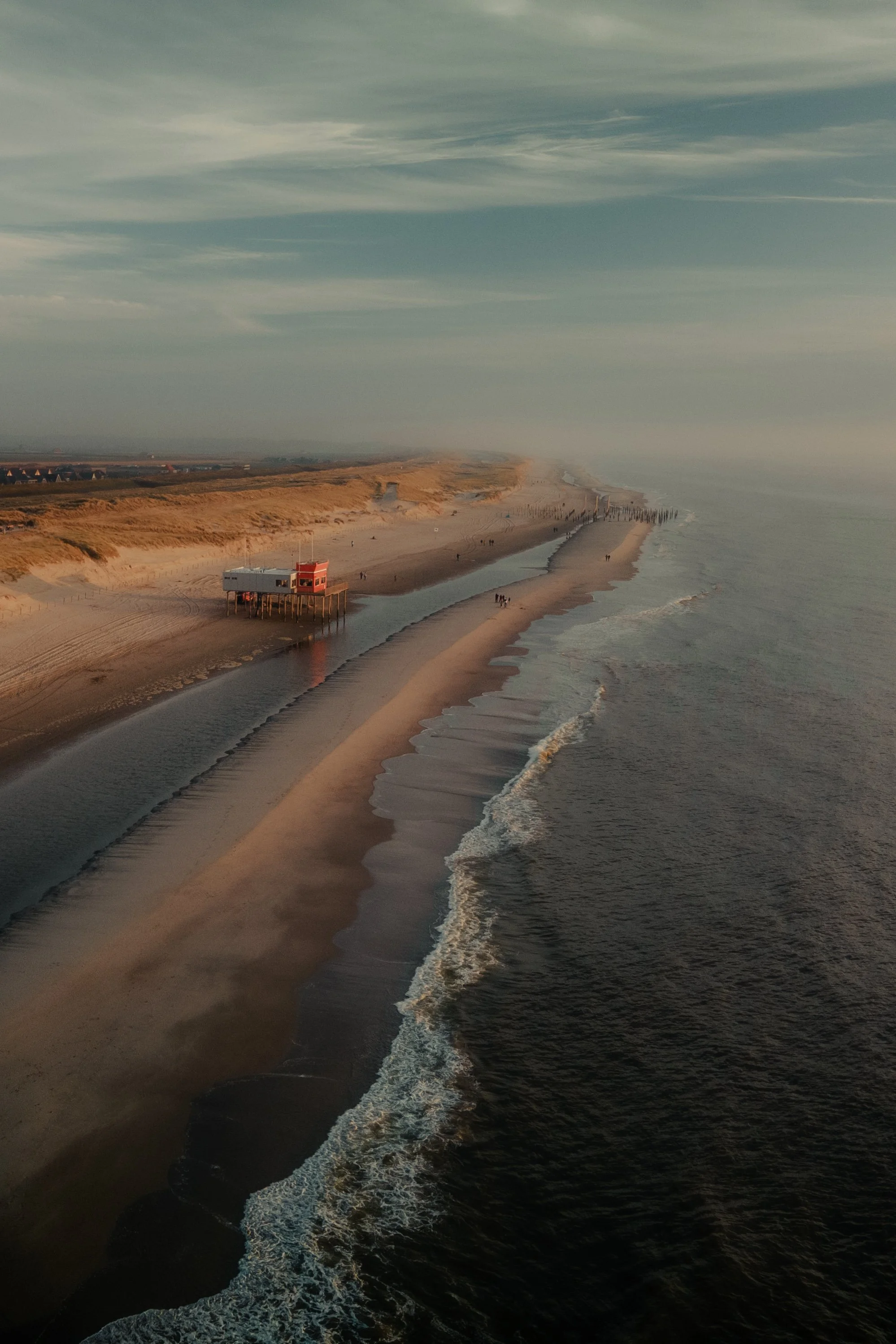
When photographers talk about atmosphere, they often talk about color. Warm sunsets. Orange highlights. Blue shadows. Cinematic color grading. Moody tones. For a long time, I thought the same. If an image felt atmospheric, I assumed the colors were responsible. Today, I see it differently. I think atmosphere often begins long before we touch a Lightroom slider. It begins with light.
Think About the Images You Remember
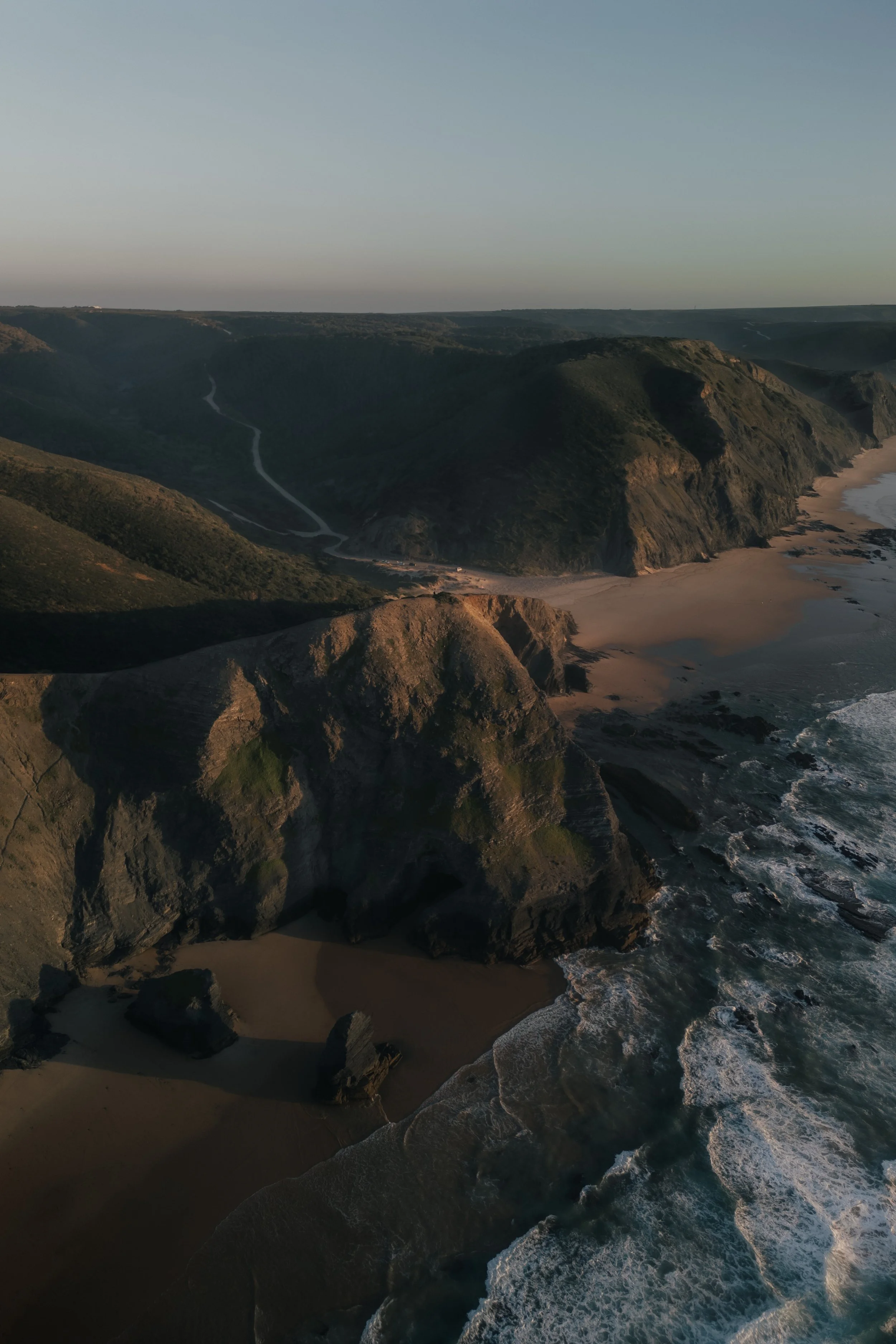
Take a moment and think about some of your favorite photographs. Not the ones with the strongest colors. The ones you genuinely remember. Chances are high, what stays with you is rarely a specific HSL adjustment or color grade. Instead, you remember the feeling. The soft morning fog. The first light hitting a mountain ridge. The way sunlight entered a room. The calmness of an overcast coastline. The atmosphere was already present before the photograph was edited. The editing simply helped reveal it.
Why Some Photos Feel Atmospheric Before Editing
One of the most useful observations I have made over the years is that some photographs feel good almost immediately. You import them into Lightroom and there is already something there. The image feels balanced. The light feels soft. The mood feels believable. The editing becomes a process of refinement rather than rescue. Other images feel different. No matter how much color grading you apply, something still feels missing. For a long time, I thought this was an editing problem. Today, I often think it is a light problem.
The Difference Between Light and Color
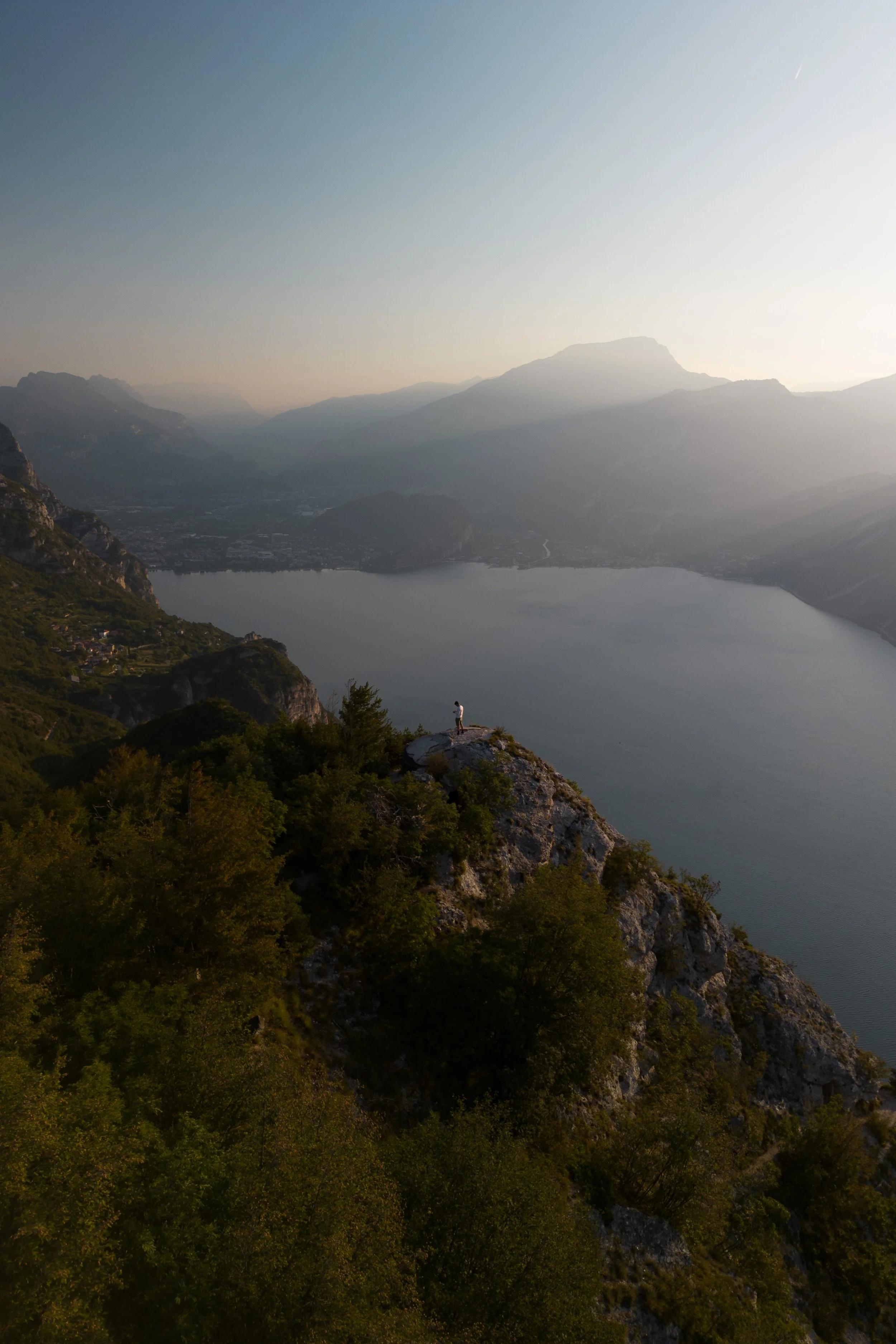
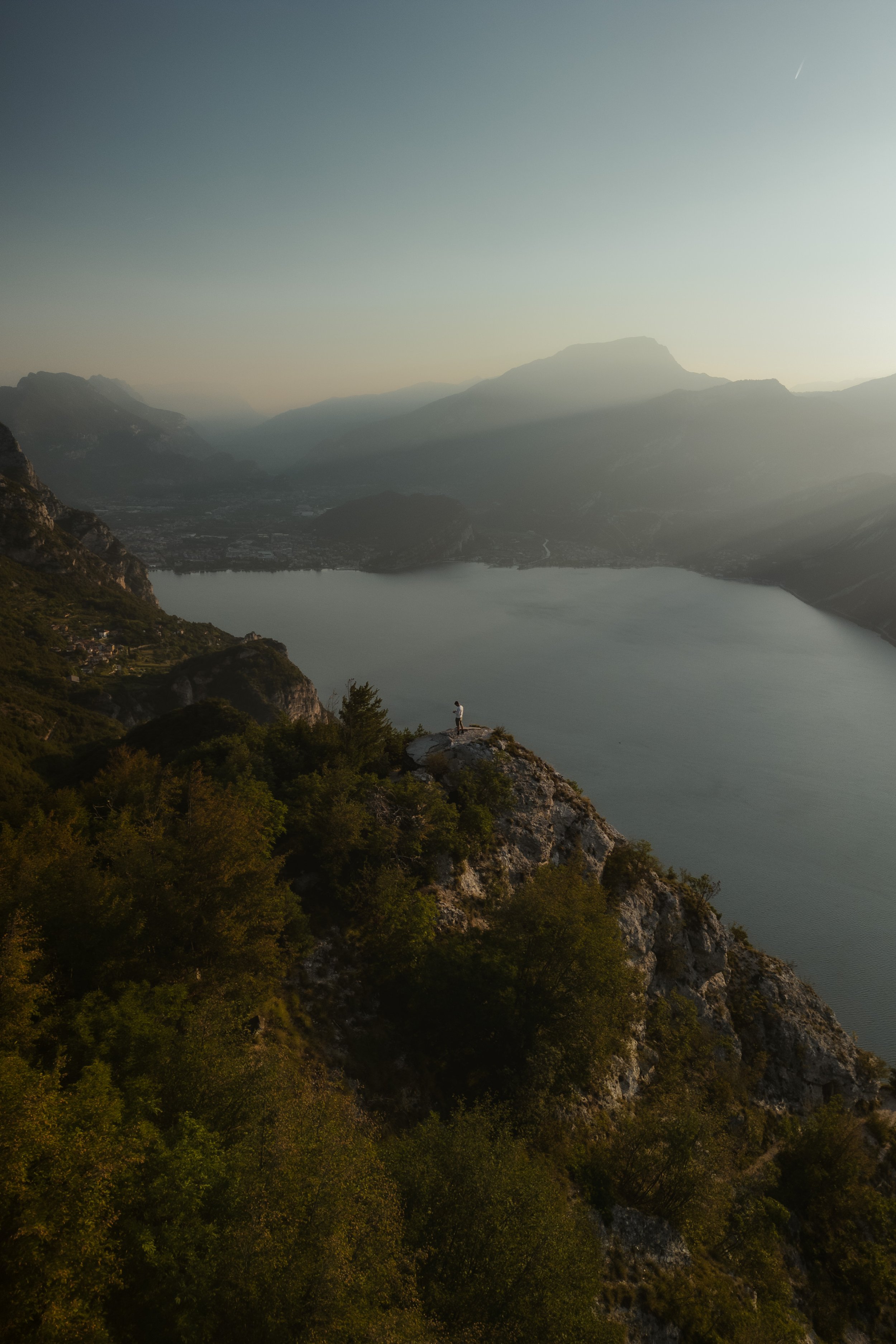
Light and color work together but they are not the same thing. Light creates structure and color creates interpretation. Light determines where the eye goes and color influences how the image feels. Without good light, color often has to work much harder. And when color starts carrying the entire image, edits can quickly become exaggerated. More saturation. More contrast. More dramatic color grading. More attempts to create a feeling that was never really there in the first place.
Editing Taught Me This
One reason I often start my edits in black and white is because it removes color from the equation. What remains is light. And that is where many important discoveries happen. Some photographs continue to feel strong even without color. Others immediately fall apart. Over time, I realised that this was teaching me something about my own preferences. I was consistently drawn to images with soft transitions, balanced tonal values and atmospheric light. The colors mattered. But they were rarely the starting point.
Atmosphere Is Often Found in Simplicity
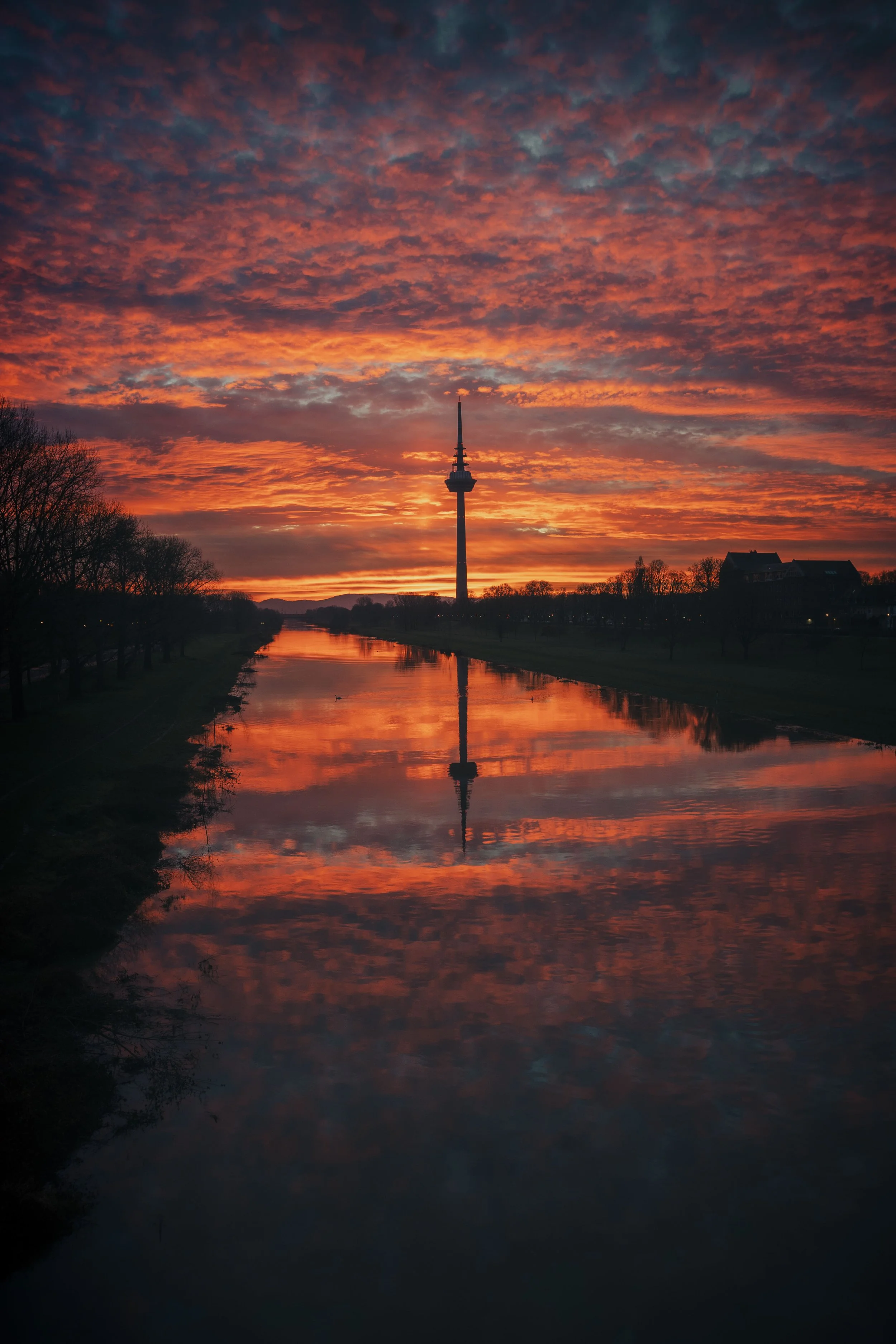
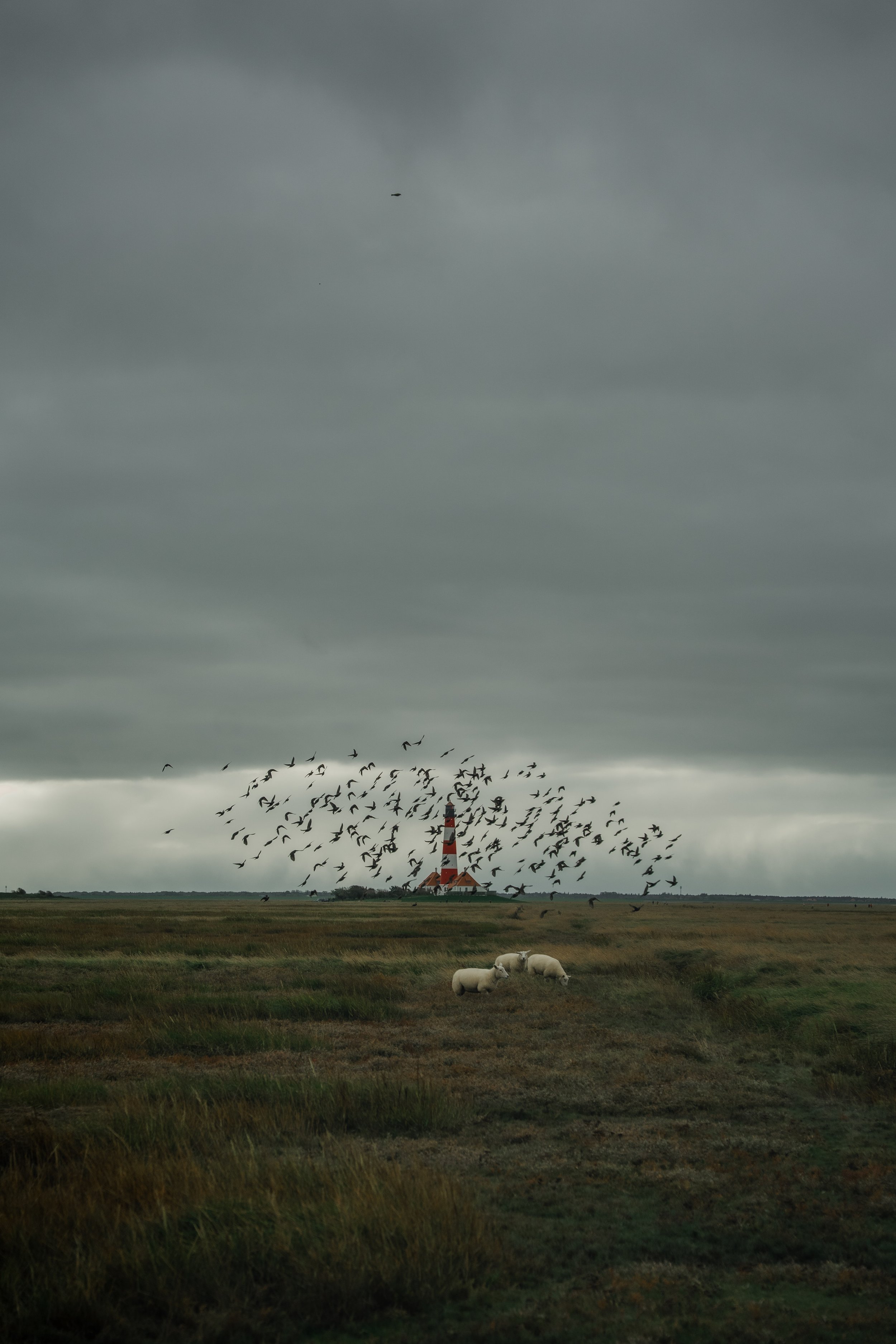
When people think about atmosphere, they sometimes imagine dramatic conditions. Explosive sunsets. Intense storms. Rare weather. But some of the most atmospheric moments are surprisingly simple. A quiet morning. Gentle fog. Soft side light. Reflections on water. A calm room before sunrise. These moments rarely demand attention. They invite attention. And that difference matters.
Why This Changed the Way I Photograph
Once I started paying more attention to light, many of my decisions changed. I became less interested in chasing dramatic colors. And more interested in searching for interesting light. I started noticing how weather changes a scene. How fog simplifies an image. How soft light creates smoother transitions. How atmosphere often appears when the visual noise disappears. The more I observed these things, the less dependent I became on editing to create a mood. Instead, I started looking for that mood before I even pressed the shutter.
Color Still Matters
Color still matters. Editing still matters. In fact, some of the strongest atmospheric images I have created became stronger because of editing decisions. Sometimes I darken an image slightly. Sometimes I reduce distractions. Sometimes I simplify colors. Not because I am creating atmosphere from nothing. But because I am helping the viewer focus on the atmosphere that first attracted me to the scene. The better the light, the easier this process becomes. But editing remains an important part of shaping how that atmosphere is ultimately experienced.
Light First, Color Second
Today, whenever I feel stuck during an edit, I often ask myself a simple question: “If I removed the colors, would the atmosphere still be there?” Sometimes the answer is yes, sometimes no. But the question always helps. Because it reminds me that atmosphere is not something I add later. It is something I look for from the very beginning.
For me, the most important shift in photography was realising that atmosphere rarely starts with color. More often, it starts with light. Editing still plays an important role, but I no longer see it as a way of creating atmosphere from nothing. Instead, I see it as a way of shaping and strengthening the atmosphere that was already present when I took the photograph.
Why Most Lightroom Presets Fail or Why Most People Edit Colors Too Early in Lightroom.
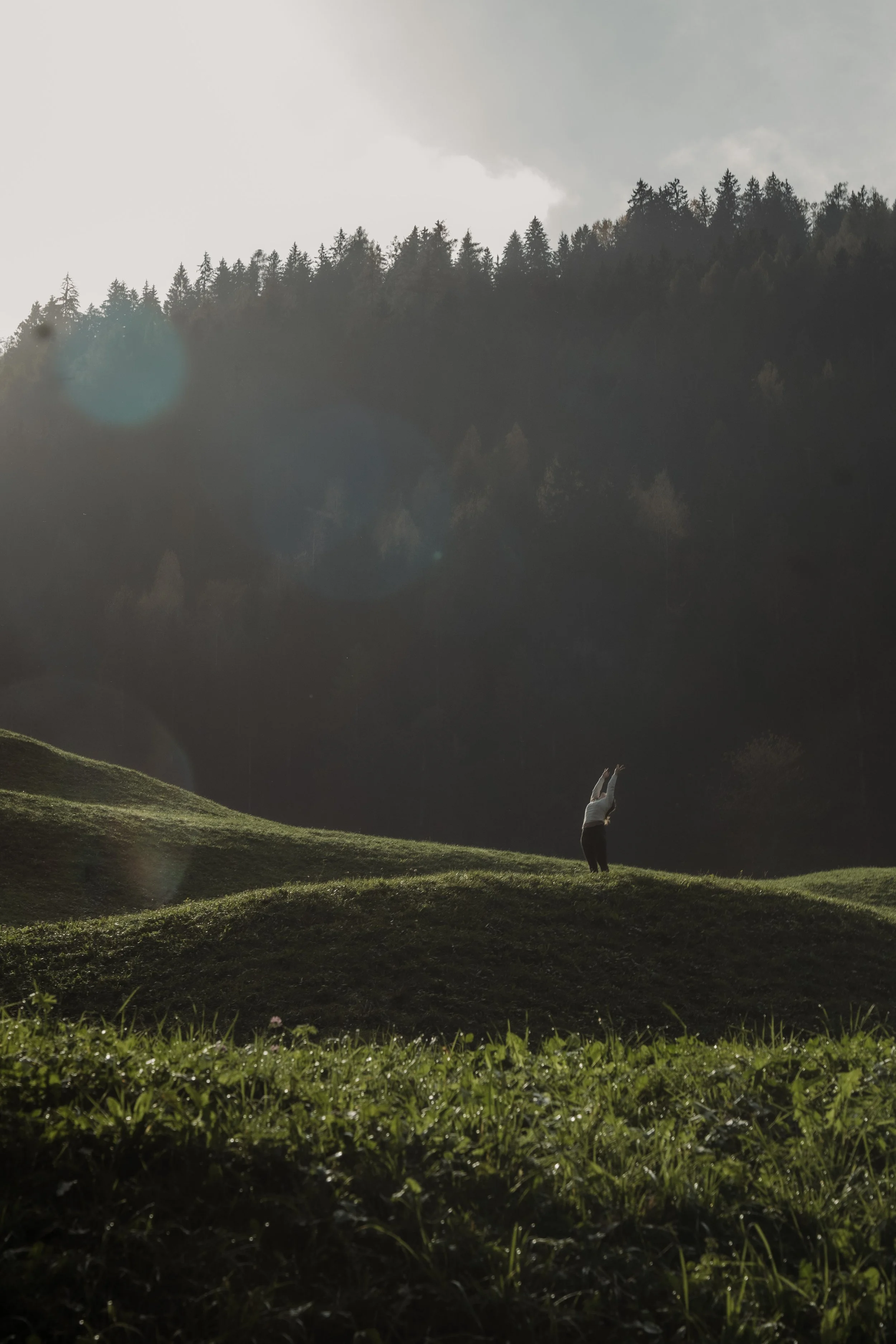
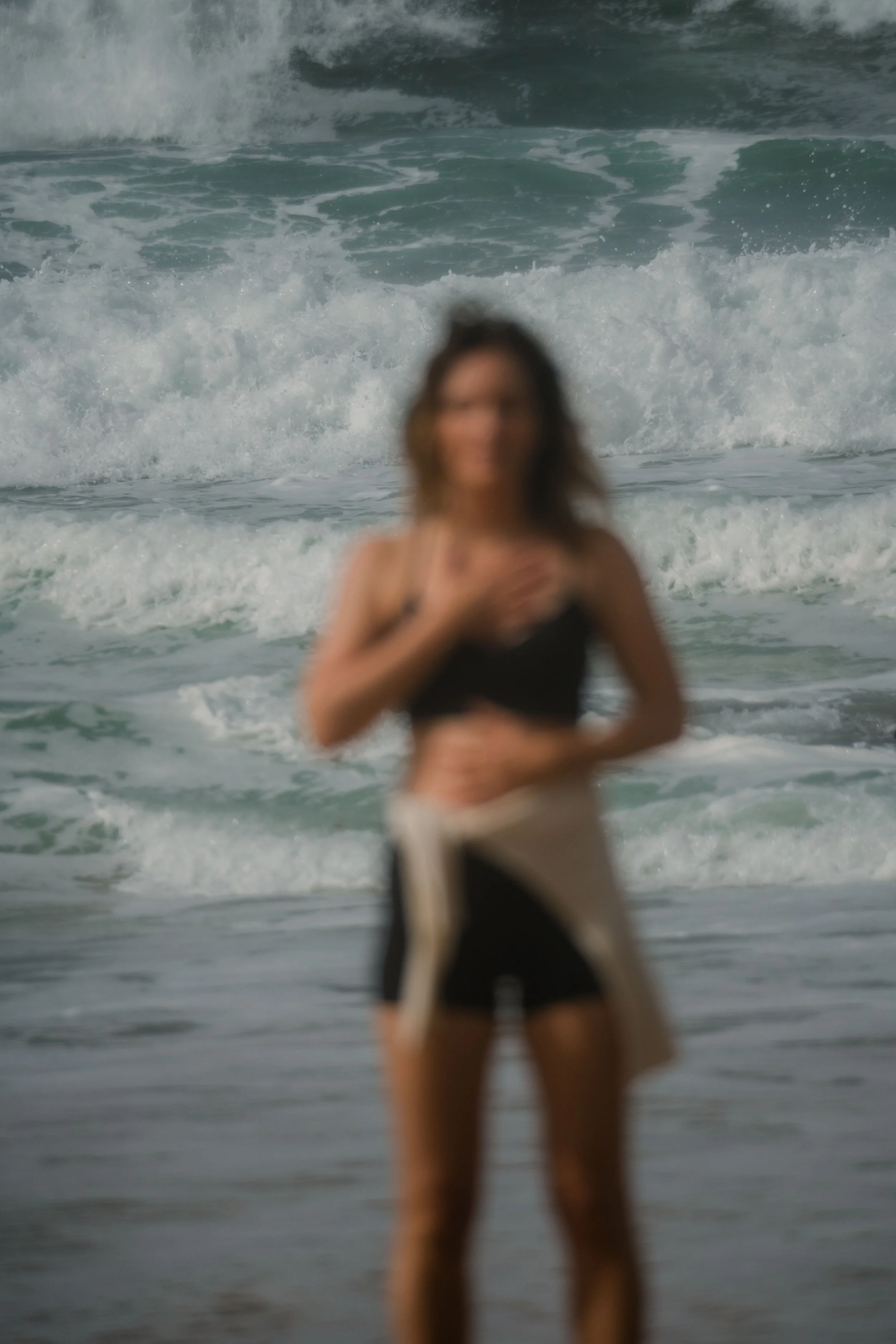
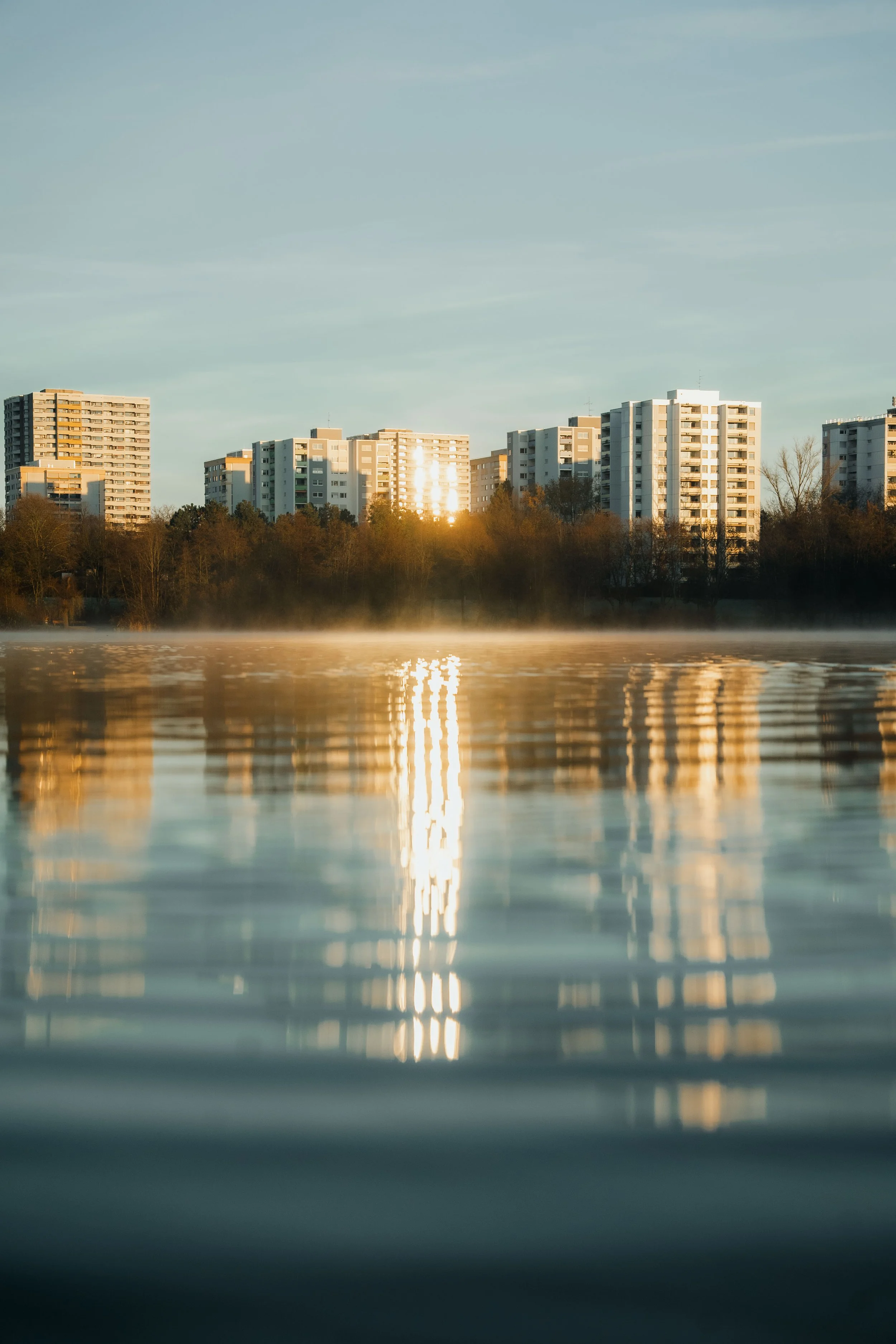
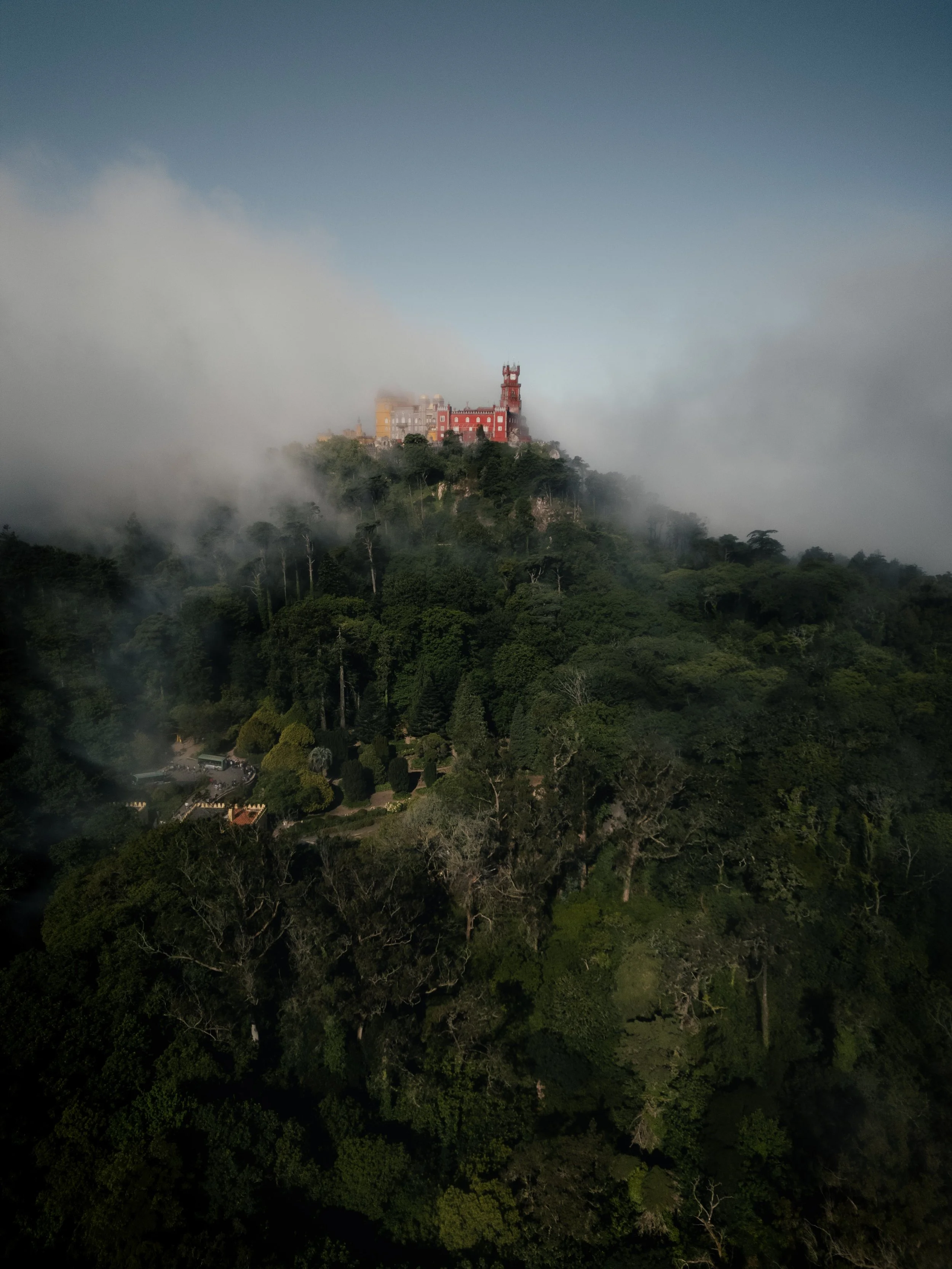
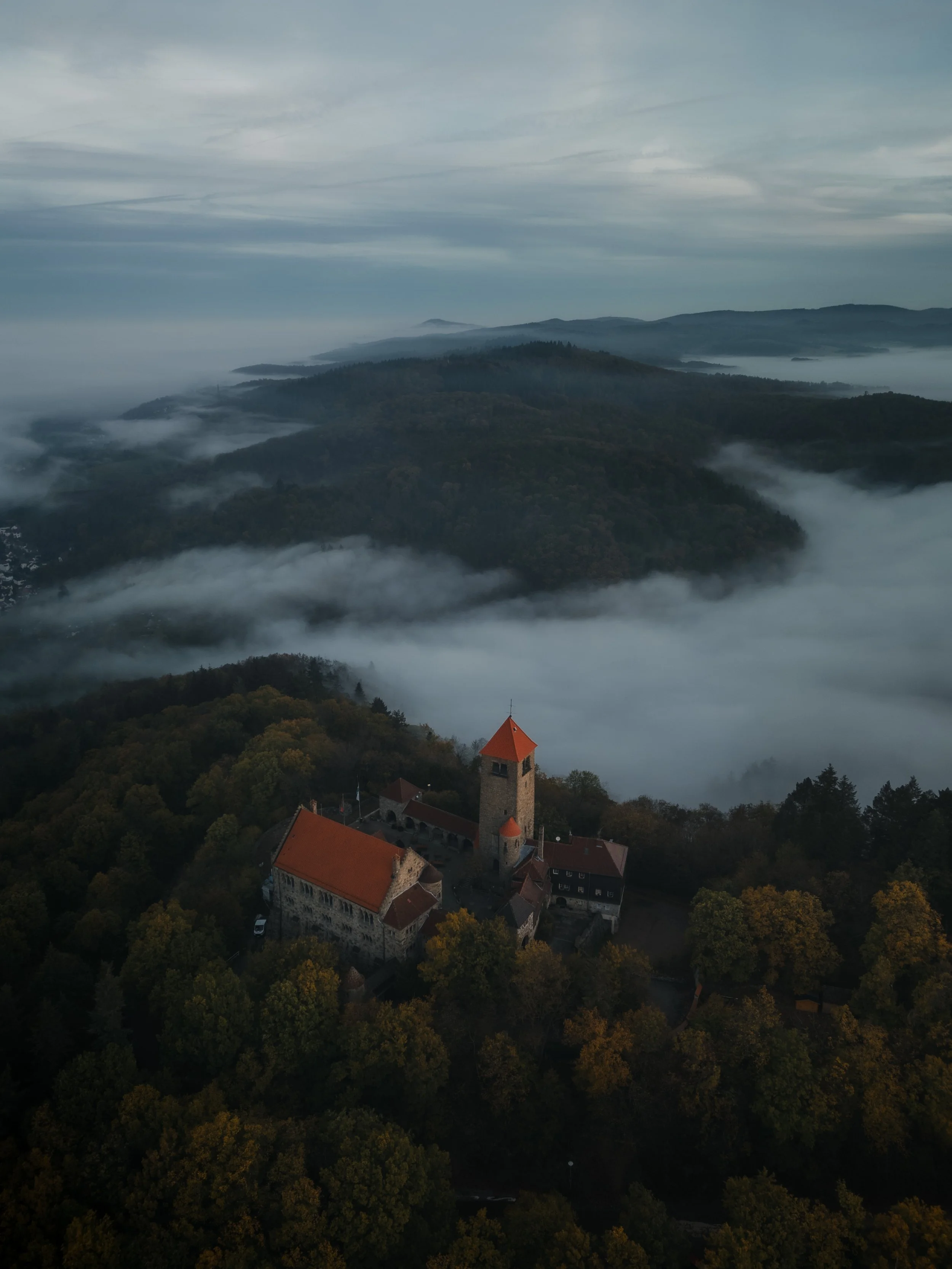


At first, starting a Lightroom edit in black and white may seem counterintuitive. After all, most of us care deeply about color. Yet removing color for a moment can reveal something more important: the light, balance and structure that hold an image together. In this article, I explain why I still begin many edits in black and white and how this simple approach changed both my editing workflow and the way I photograph.