Framed Freedom · Fotografie & persönlicher Wandel
Über Bilder. Über Veränderung. Über den Weg dazwischen.
Lightroom verstehen, den eigenen Bildstil entwickeln und einem echten Neuanfang folgen – in konkreten Bearbeitungen, Essays und wöchentlichen Reflexionen.
Lesen · verstehen · den eigenen Blick entwickeln
Drei Perspektiven
Drei Wege, genauer hinzusehen.
Dieser Blog verbindet Handwerk mit Haltung: Du kannst Lightroom besser verstehen, vollständige Bearbeitungen nachvollziehen oder meinen Weg in ein kreativeres, selbstbestimmteres Leben begleiten.
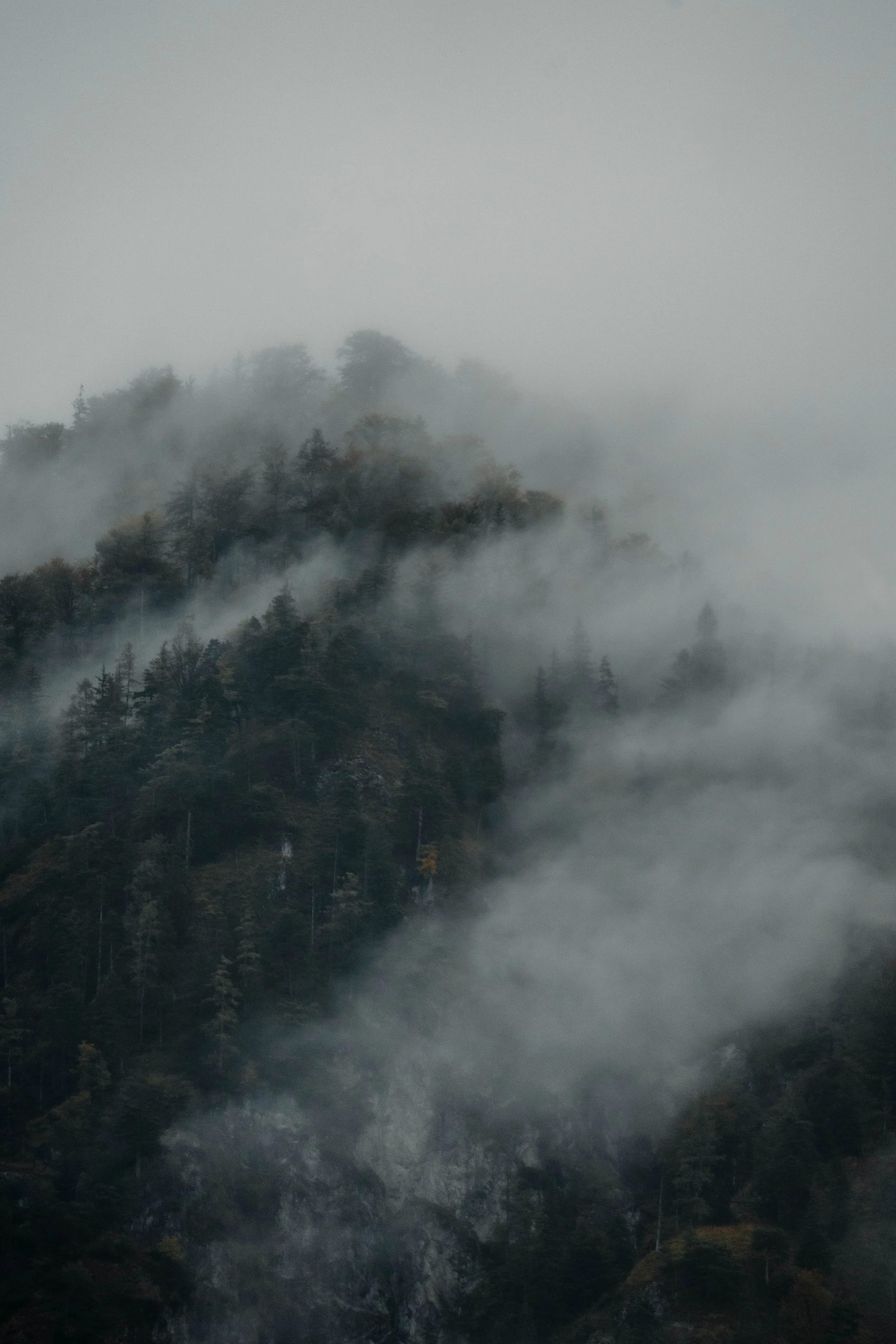
Lernen
Lightroom & Bildstil
Licht, Kontrast und Farbe bewusst einsetzen – für einen Workflow, der nicht von Presets abhängig ist.
Artikel entdecken →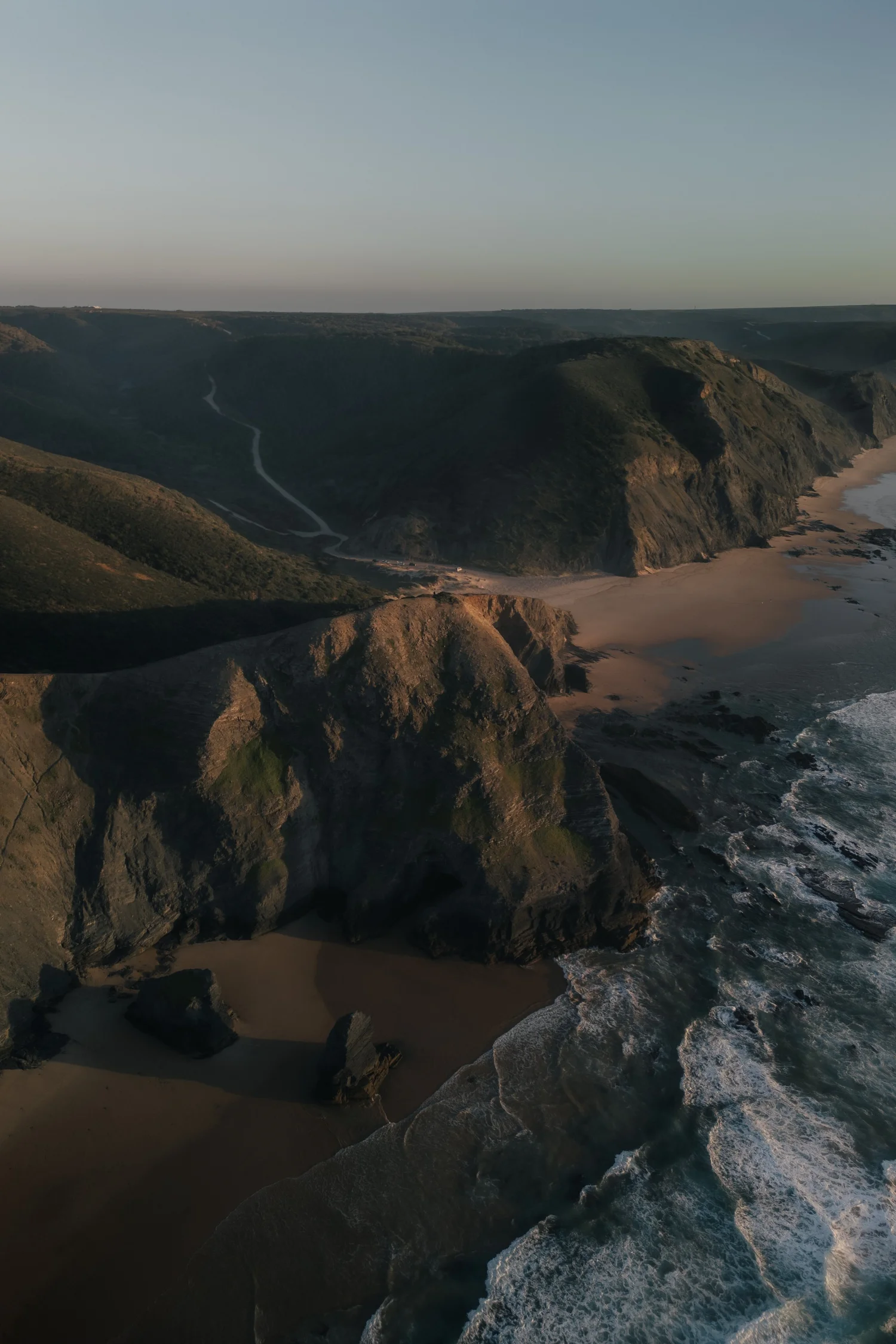
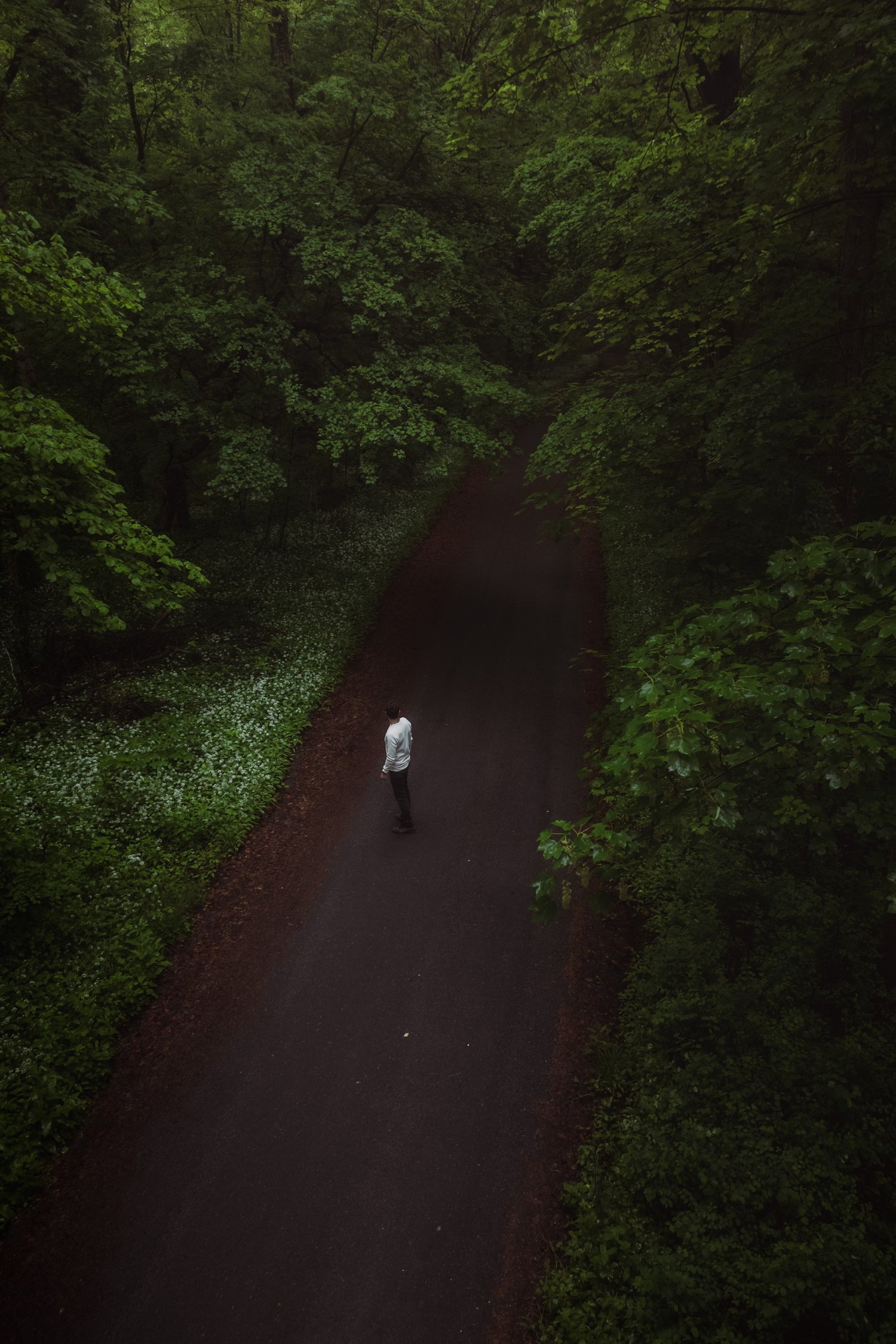
Nachvollziehen
Vorher & Nachher
Vom flachen RAW zum fertigen Bild: komplette Bearbeitungen und die Entscheidungen dahinter.
Bearbeitungen ansehen →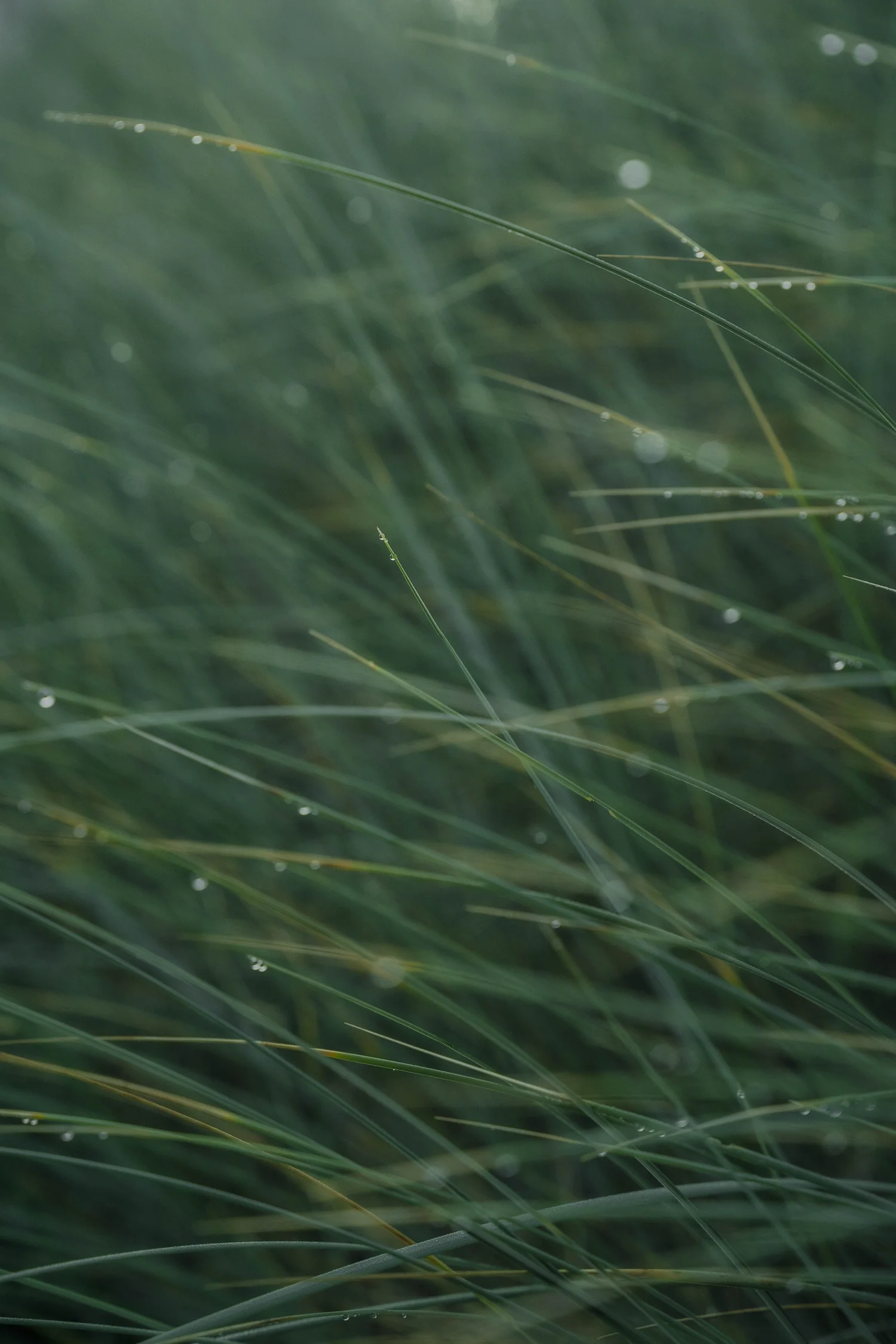
Begleiten
Wochenreflexionen
Über kreative Freiheit, Arbeit, Zweifel und den Weg vom IT-Direktor zum Fotografen.
Reflexionen lesen →Neu im Journal
Was gerade entsteht.
Neue Bearbeitungen, Gedanken und Erfahrungen – chronologisch, ehrlich und ohne künstliche Dringlichkeit.
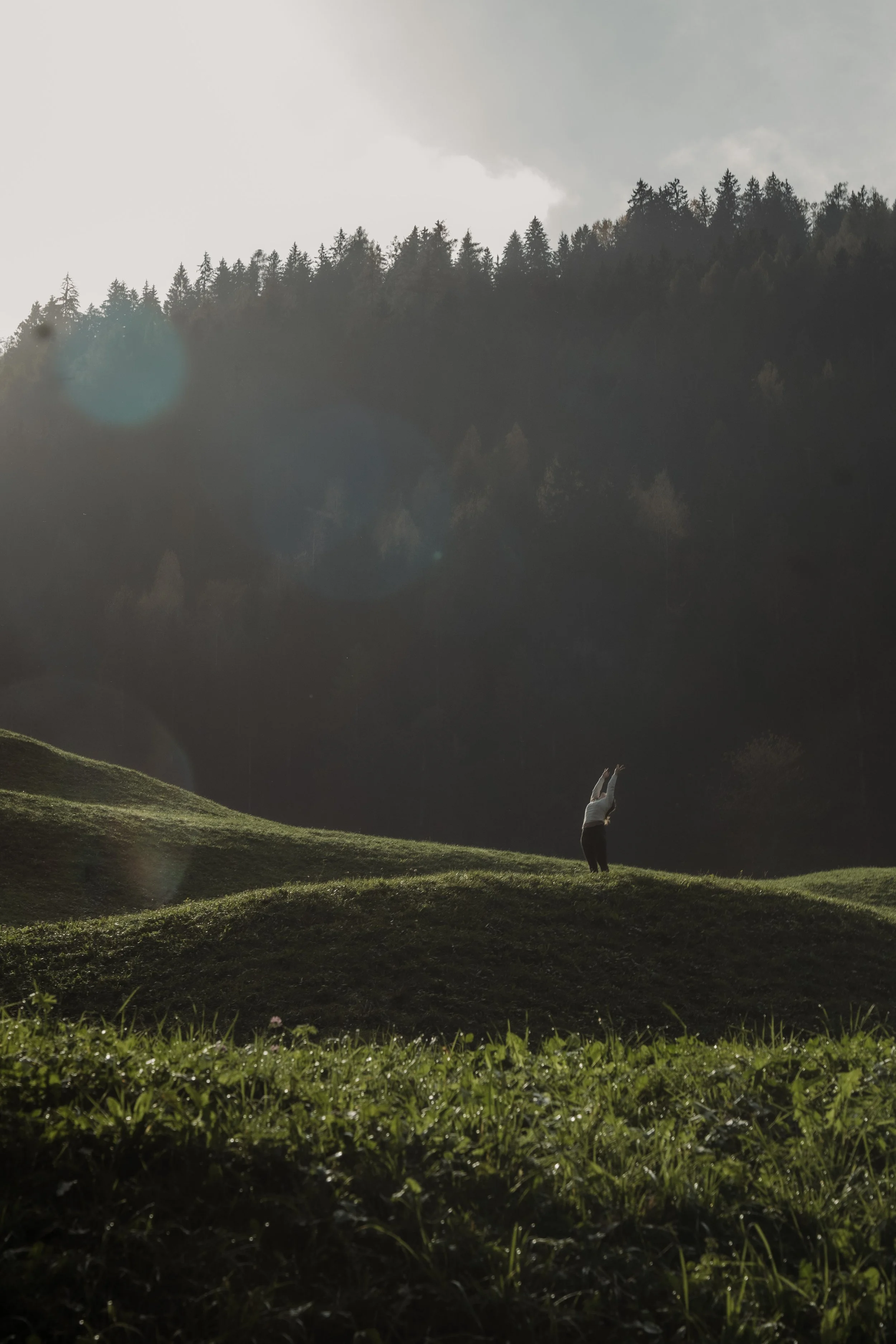
The Difference Between Editing for Attention and Editing for Atmosphere
Some photographs immediately grab our attention. Others stay with us long after we have seen them. For years, I believed that stronger colors, more contrast and more dramatic edits would make my images better. Over time, I realised that attention and atmosphere are not the same thing. In this article, I explore the difference between editing for reactions and editing for connection, and how this shift completely changed the way I approach photography and Lightroom.
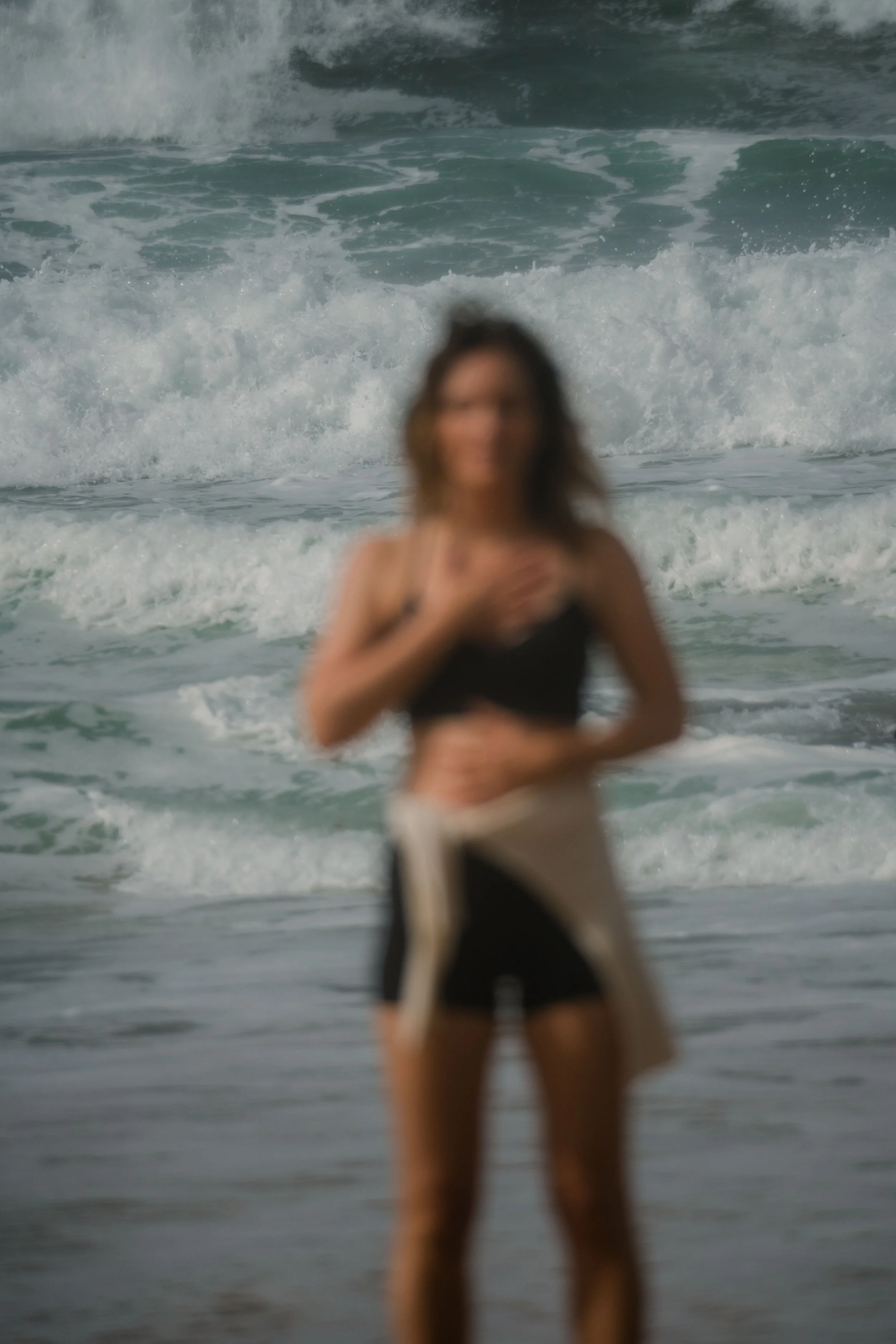
Why Some Photos Feel Calm and Others Don't
Why do some photographs instantly feel calm while others seem visually restless, even when they show similar scenes? For years, I assumed calmness came from the subject itself. Over time, I realised that it often has more to do with how visual information is presented. In this article, I explore the relationship between light, composition, editing and attention, and why many of my favorite photographs share one surprising quality: not less information, but less competition.
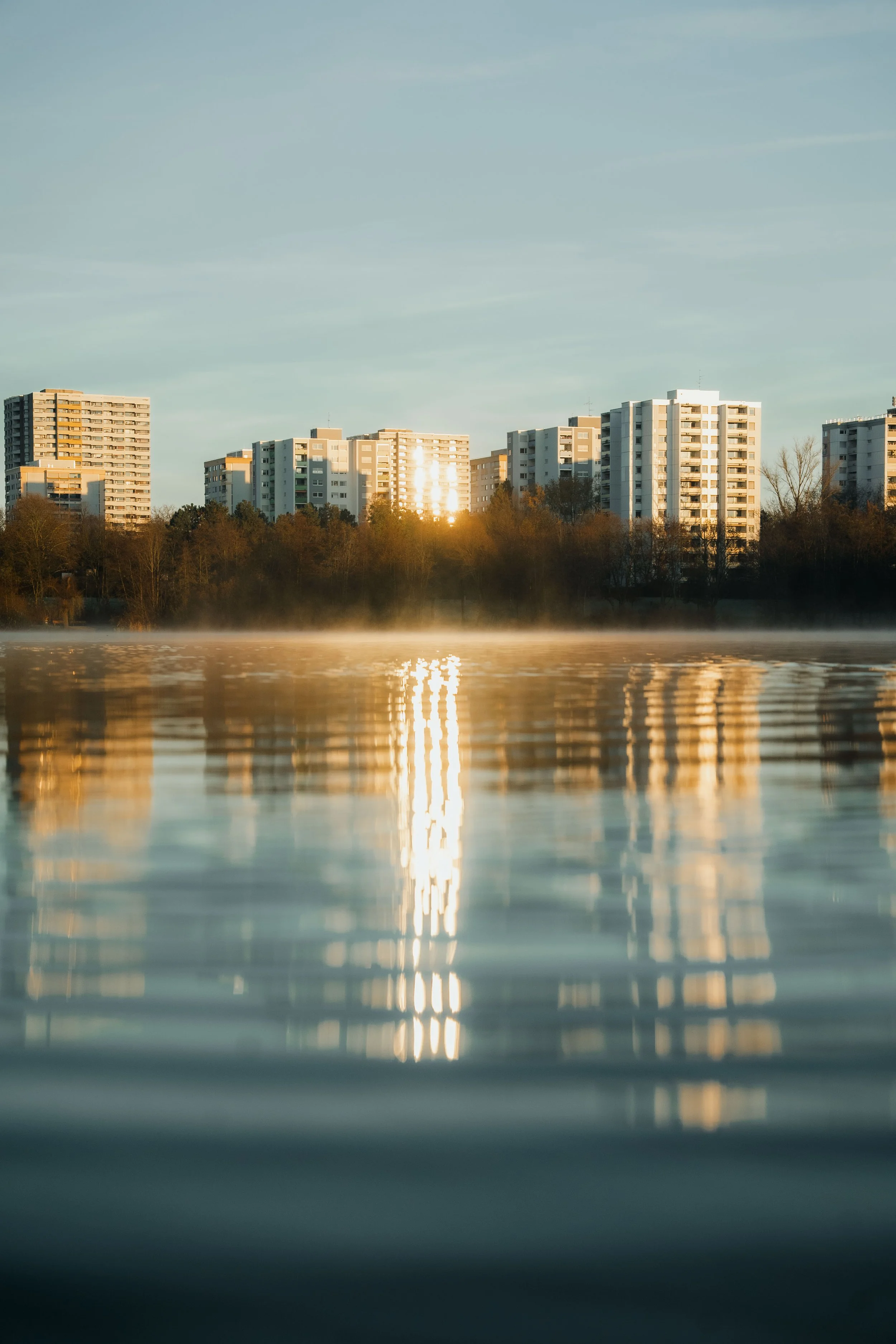
Why Most Lightroom Presets Fail
At some point, most photographers start looking for the perfect preset. The promise is tempting: one click, consistent colors, and a recognizable style. But if presets are the answer, why do they often look amazing on one image and completely wrong on another? In this article, I explain why presets rarely create consistency on their own and why your editing style is built through the decisions you make long before you ever touch a Lightroom slider.
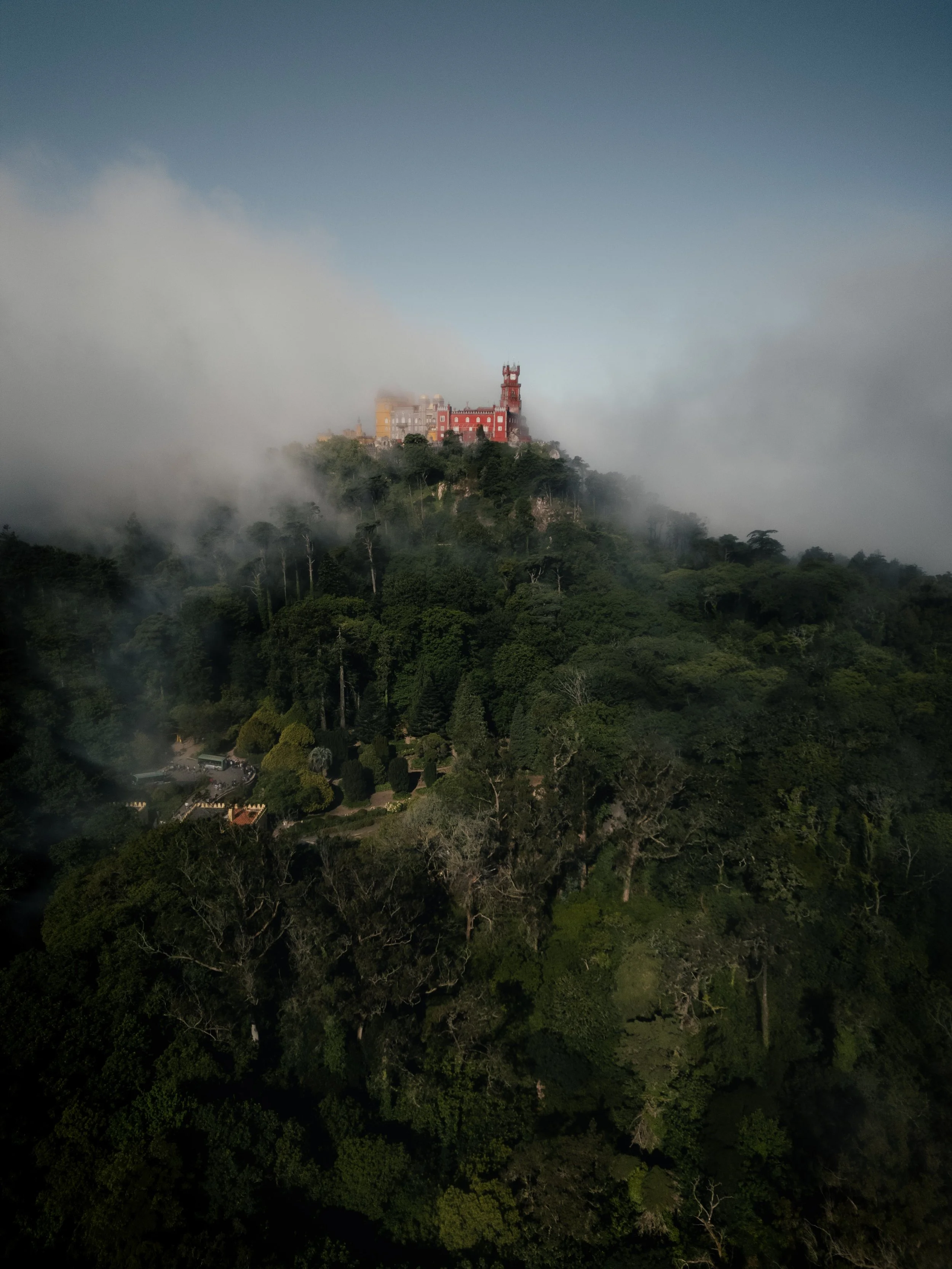
Why Atmosphere Comes From Light Before Color
When photographers talk about atmosphere, they often talk about color. Warm sunsets, cinematic tones and dramatic color grading seem to promise mood and emotion. Yet some of the most atmospheric photographs already feel special before any editing begins. In this article, I explore why atmosphere often starts with light, how editing can strengthen it, and why understanding this relationship completely changed the way I photograph and edit my images.
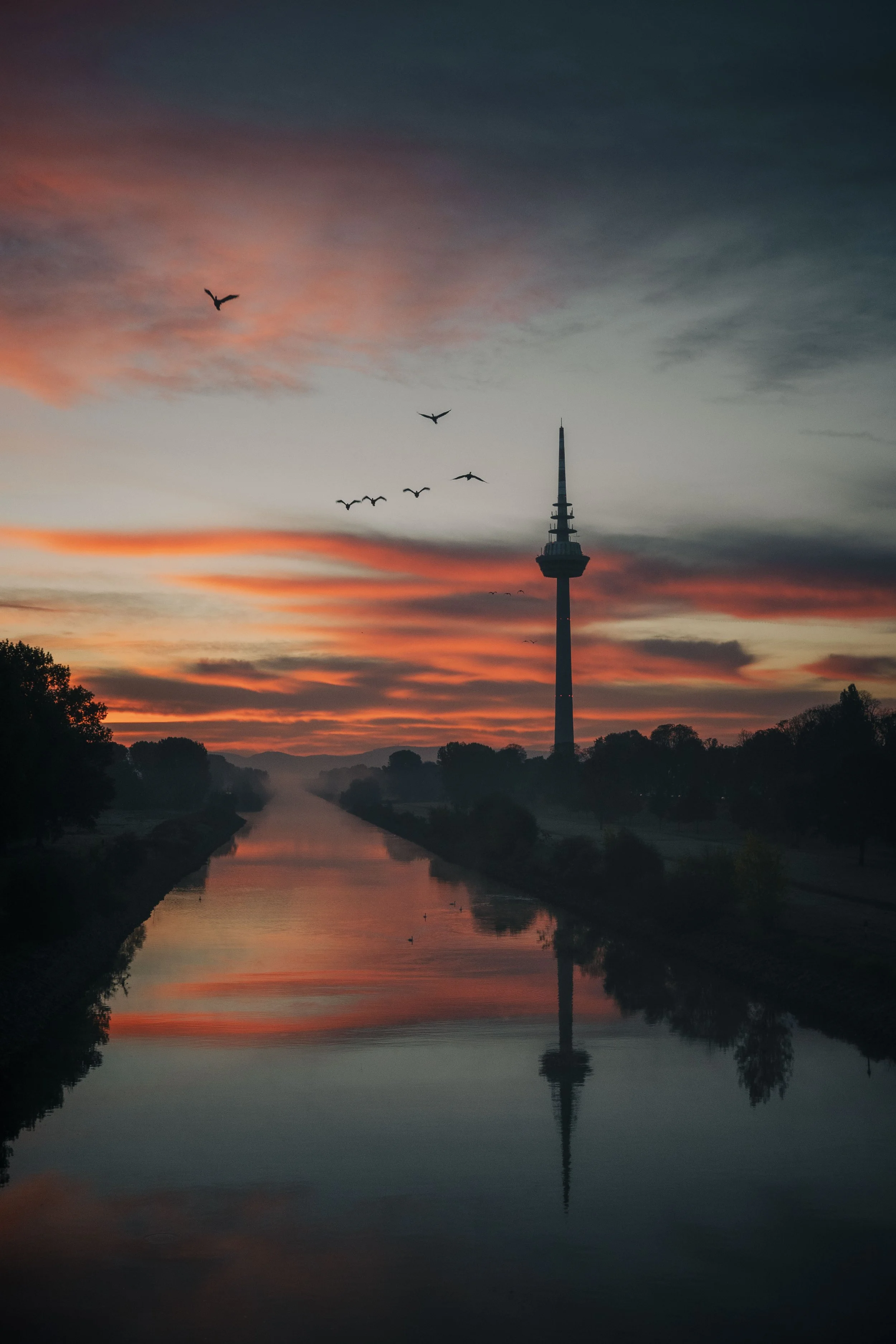
How to Find Your Own Editing Style
Your editing style grows from the subjects, light, colours and moods you return to. In this article, I show you how to recognise those patterns and translate them into a Lightroom workflow that feels like your own.
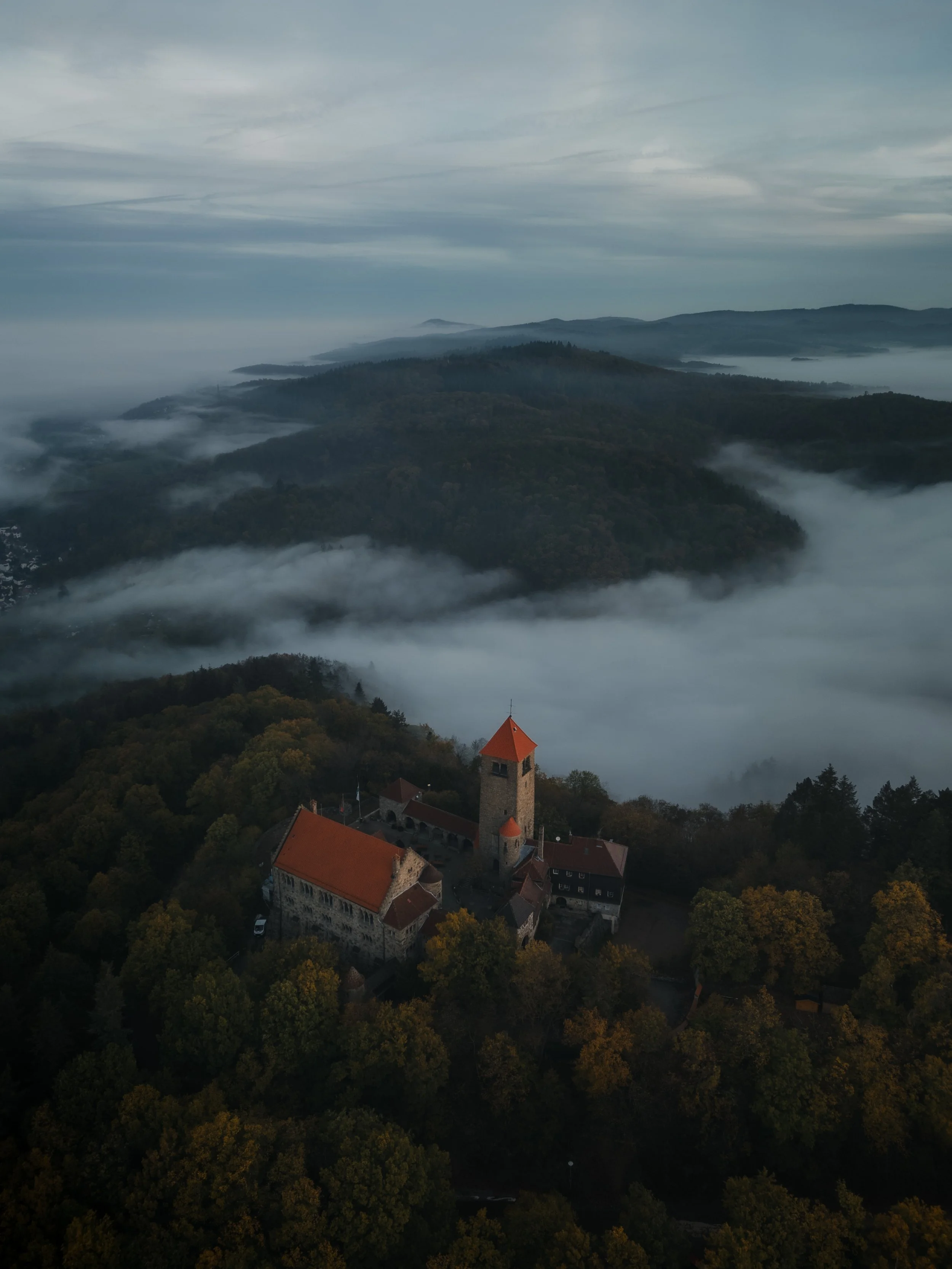
Why Consistency Is About Decisions, Not Presets
Many photographers believe consistency comes from presets, color grading or a specific Lightroom workflow. But when you look closely at photographers with a recognizable style, their consistency often starts long before they begin editing. In this article, I explore why developing your own photography style requires honest reflection, repeated creative decisions and an understanding of what truly resonates with you. Because in the end, style is not a collection of settings — it is a collection of decisions.
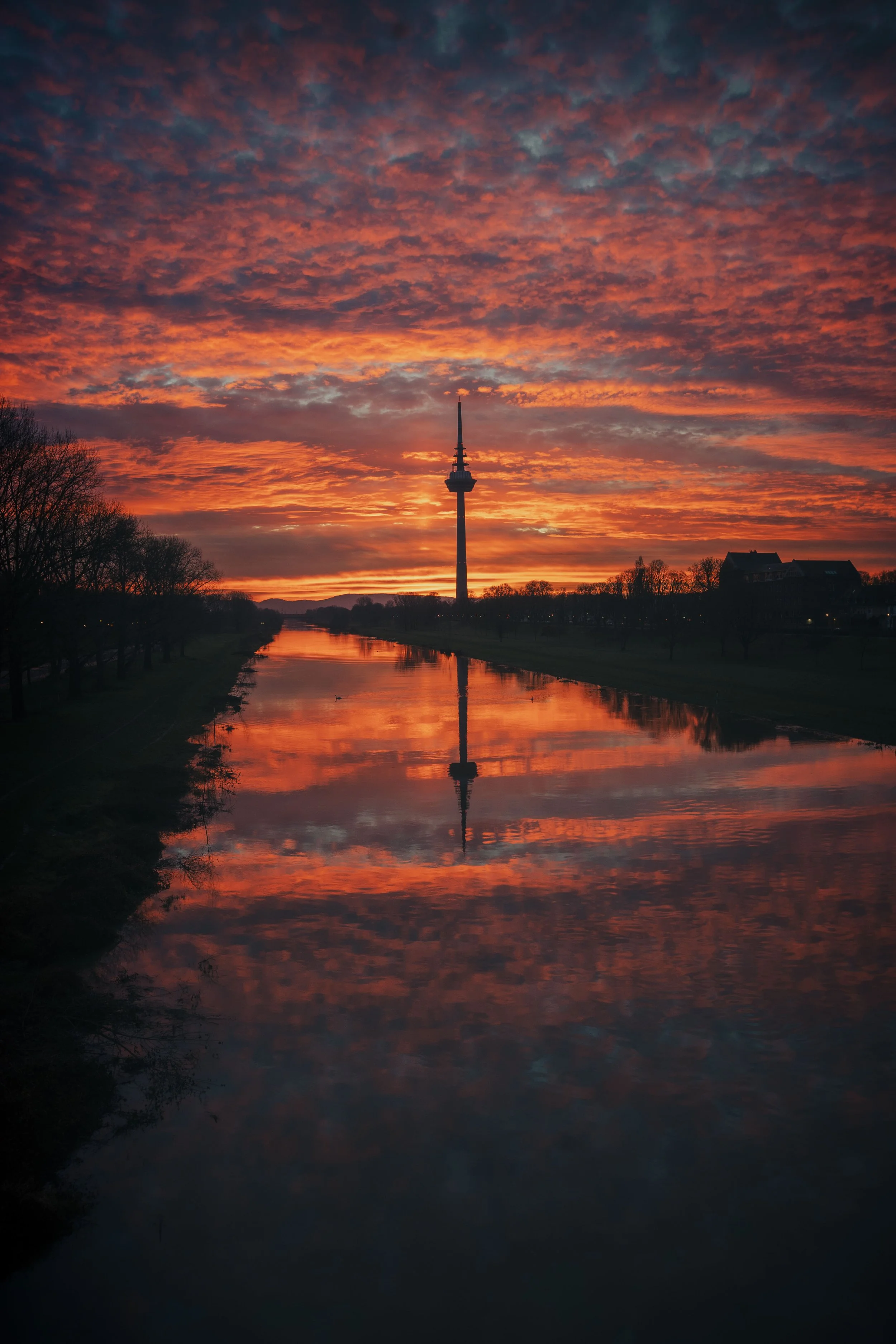
Why Most People Edit Colors Too Early in Lightroom
Many photographers try to create atmosphere through color grading before the image itself has a balanced tonal foundation. In this article, I explain why starting with light, luminance and tonal balance completely changed my Lightroom workflow — and why subtle color adjustments often create more natural and cinematic results than aggressive editing.
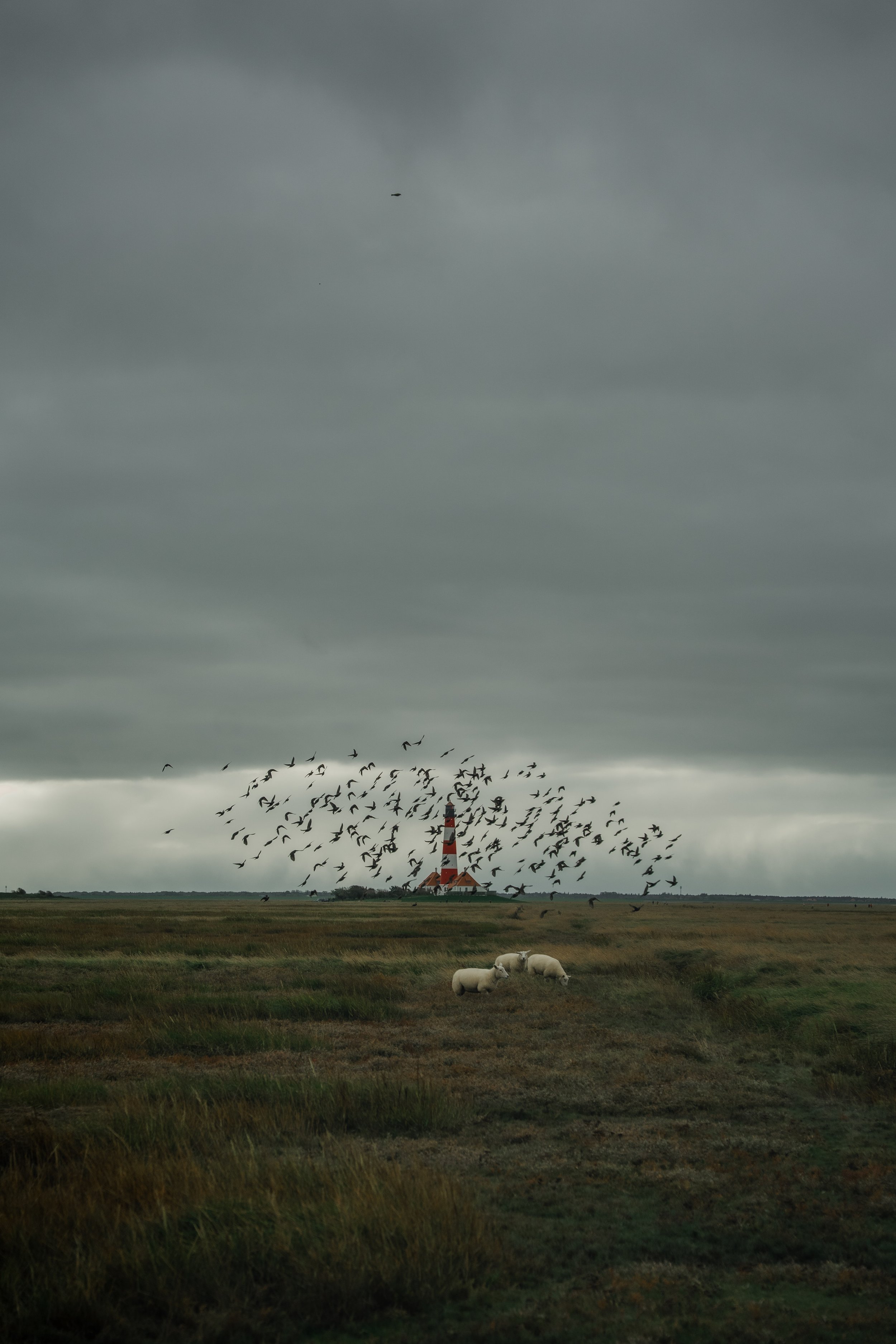
Lightroom Editing: Before and After - Westerhever Lighthouse
In this Lightroom before and after, I show how I edited a moody landscape photo taken near Westerhever Lighthouse on the North Sea coast. By recovering highlights in the sky, carefully shaping the tones with the tone curve and balancing the greens of the marshland using HSL adjustments, the image becomes calmer and more atmospheric while staying natural.

Lightroom Editing: Before and After - Dunes Portrait
In this Lightroom before and after, I show how I edited a portrait taken in soft dune light under an overcast sky. Instead of adding dramatic contrast, I focused on highlight control, subtle HSL adjustments, and careful luminance shaping to create natural separation between subject and background. The result is a calm, structured portrait that keeps its original atmosphere.
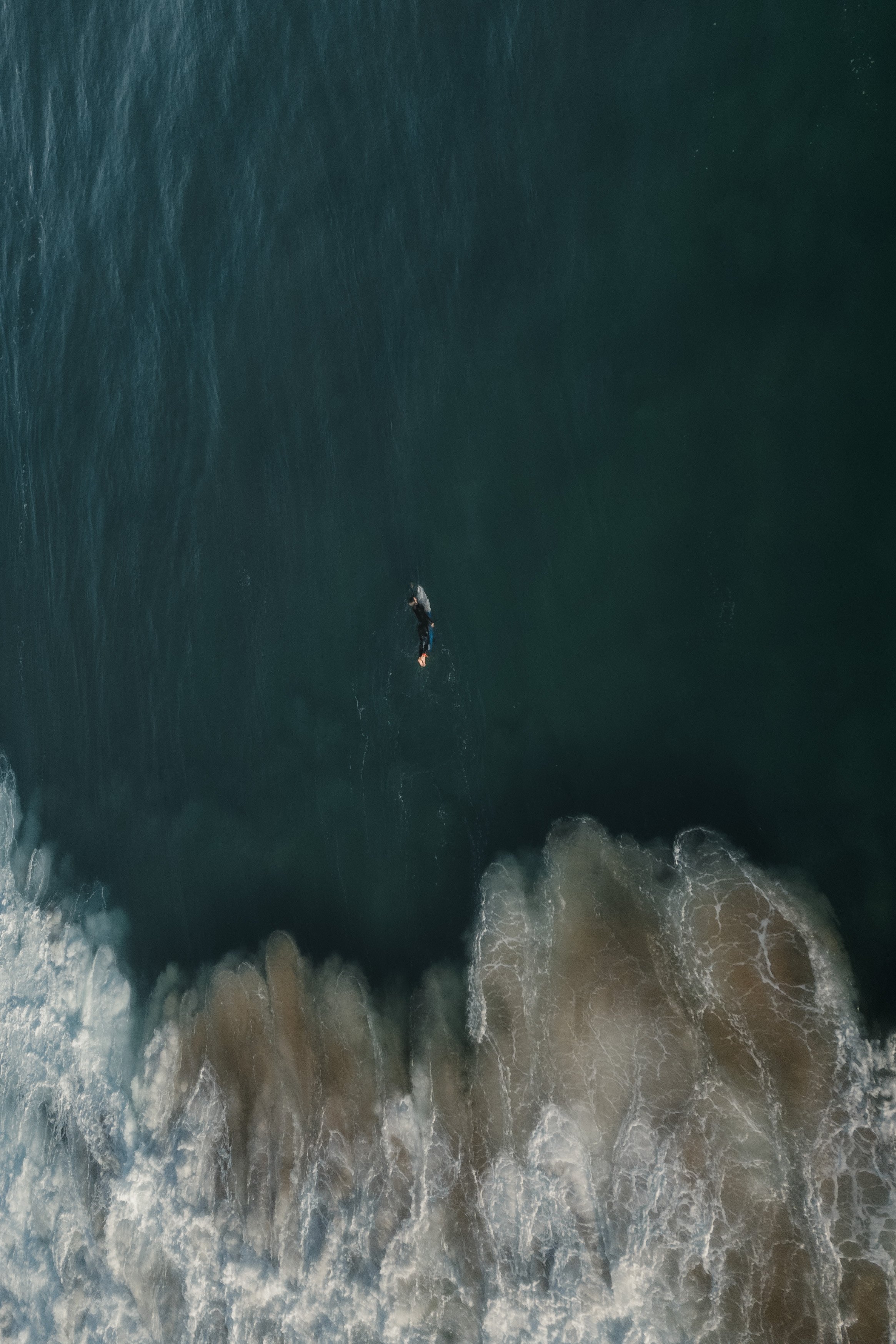
Lightroom Editing: Before and After - Surfer in Morning Light ,Portugal
In this Lightroom before and after, I show how I edited a surfer photo from Ericeira, Portugal. Instead of increasing contrast aggressively, I focused on controlling highlights, shaping the water with luminance adjustments, and creating subtle color separation between subject and ocean. The result is a calm but structured image with depth and direction.
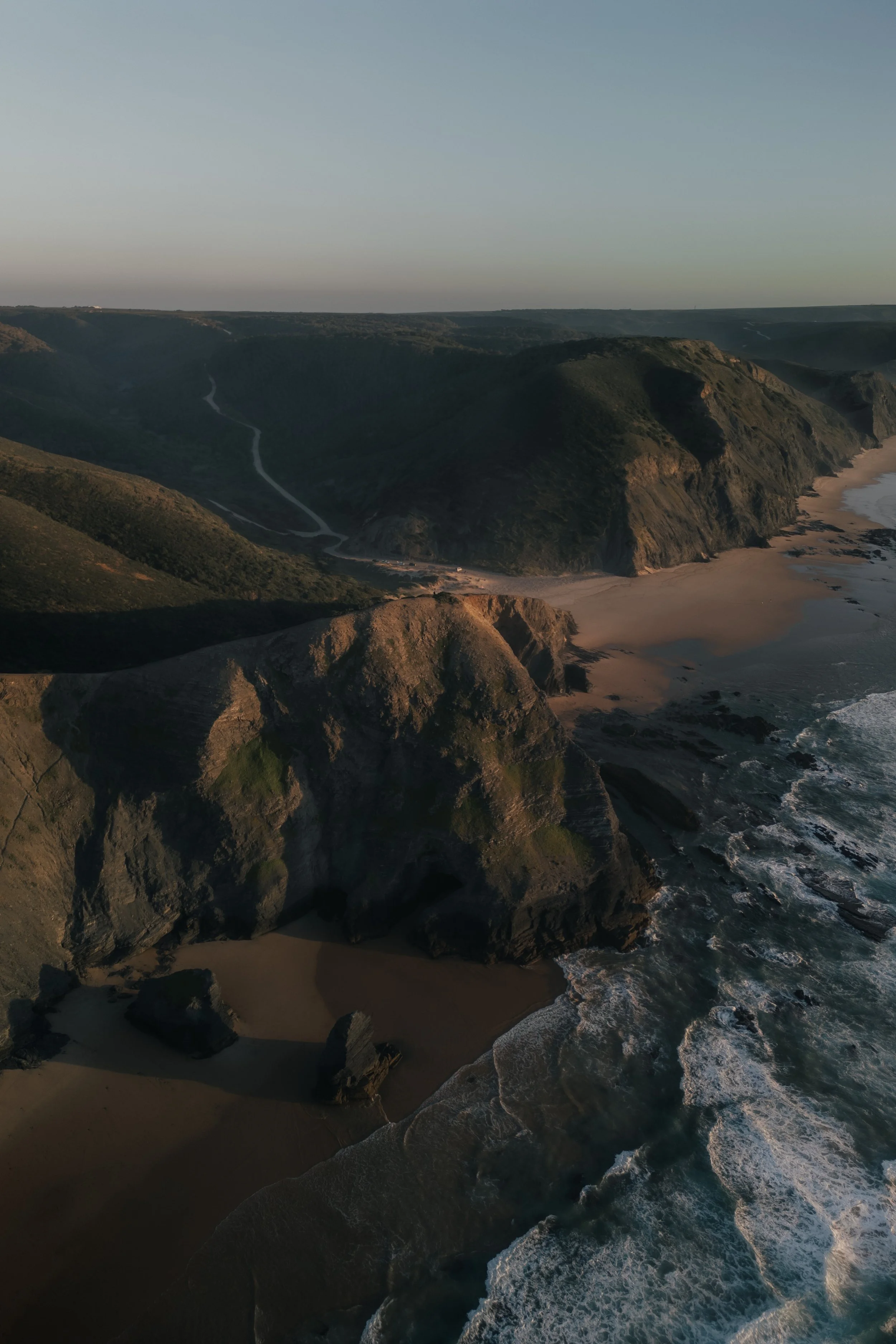
Lightroom Editing: Before and After - West algarve Coast, Portugal
Aerial evening light along Portugal’s West Algarve.
In this before-and-after breakdown, I show how I reduced glare, shaped contrast, and used subtle color control to create depth, balance, and a cinematic coastal mood.
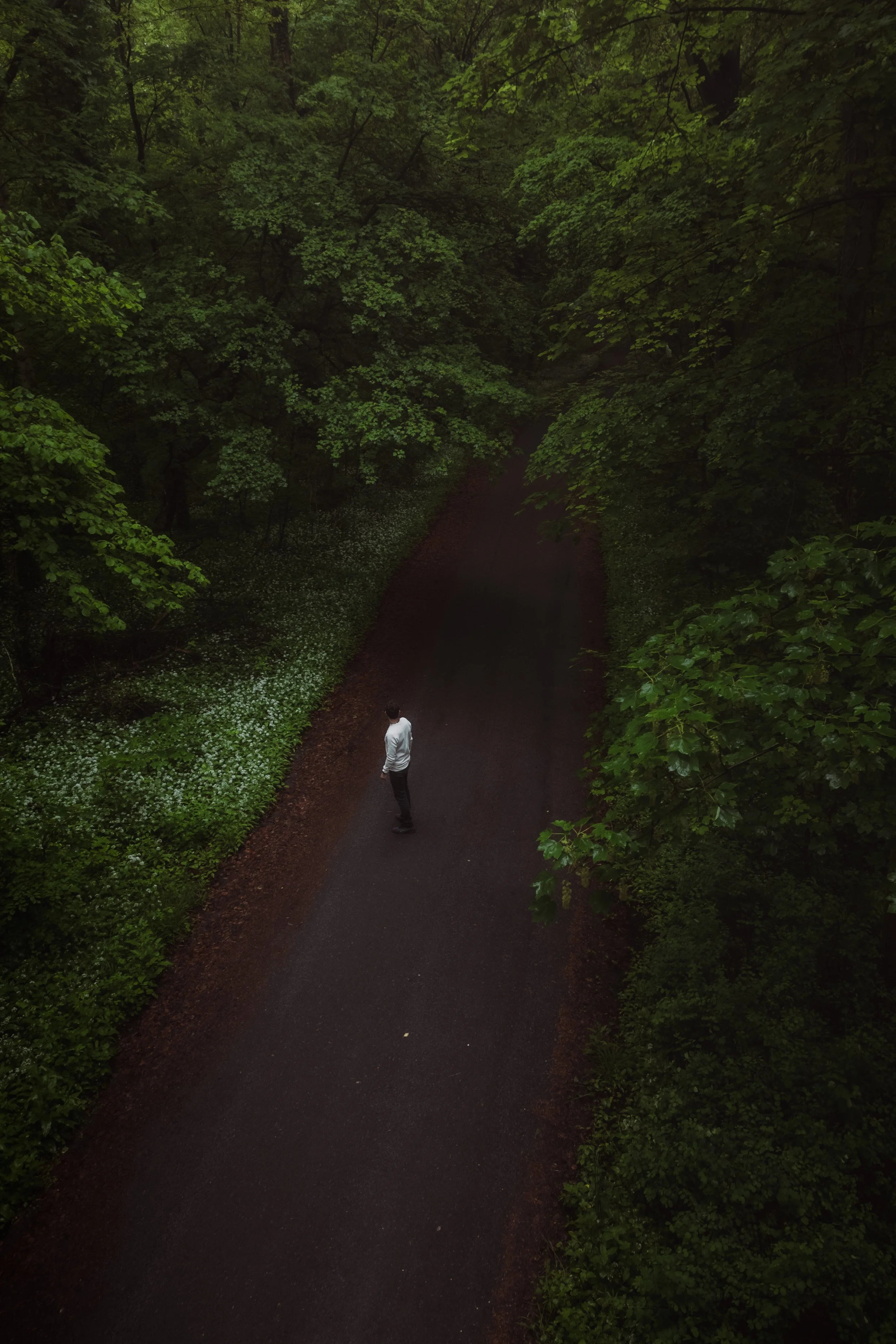
Lightroom Editing: Before and After - Quiet Spring Forest in Germany
This photo was taken on a quiet spring day in a forest near Mannheim. The light was soft, the greens were deep, and the road cut gently through the trees.
In this before-and-after breakdown, I show how subtle Lightroom adjustments — exposure, tone curve, careful HSL control, and soft color grading — transform a dark raw file into a calm, cinematic forest scene without losing its natural feeling.
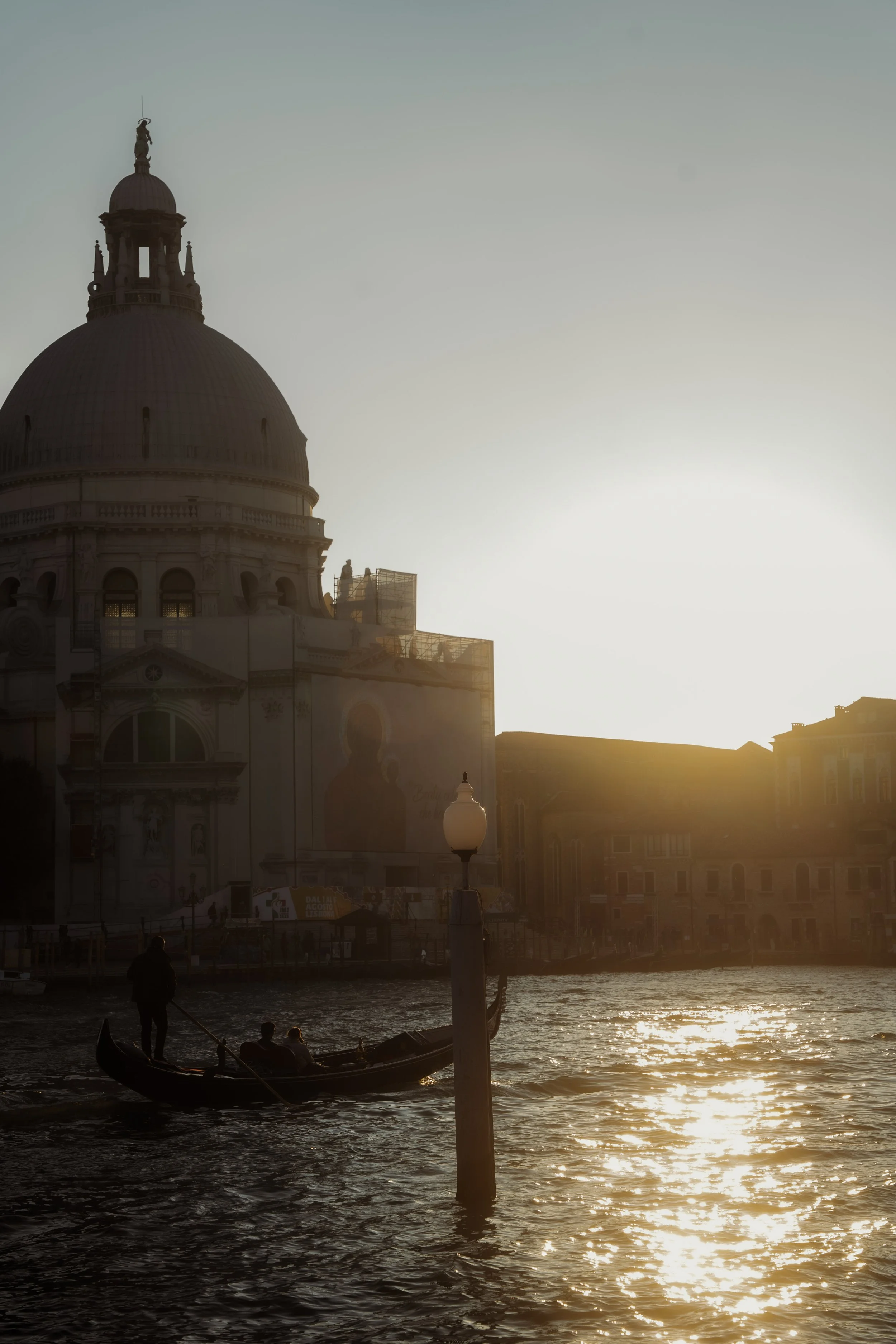
Lightroom Editing: Before and After - Santa Maria Della Salute, Venice, Italy
A golden hour scene in Venice with strong backlight, reflections and silhouettes. In this before and after Lightroom edit, I show how reducing exposure, softening contrast and subtle color grading can transform an overexposed sunset into a calm, cinematic image with depth and atmosphere.
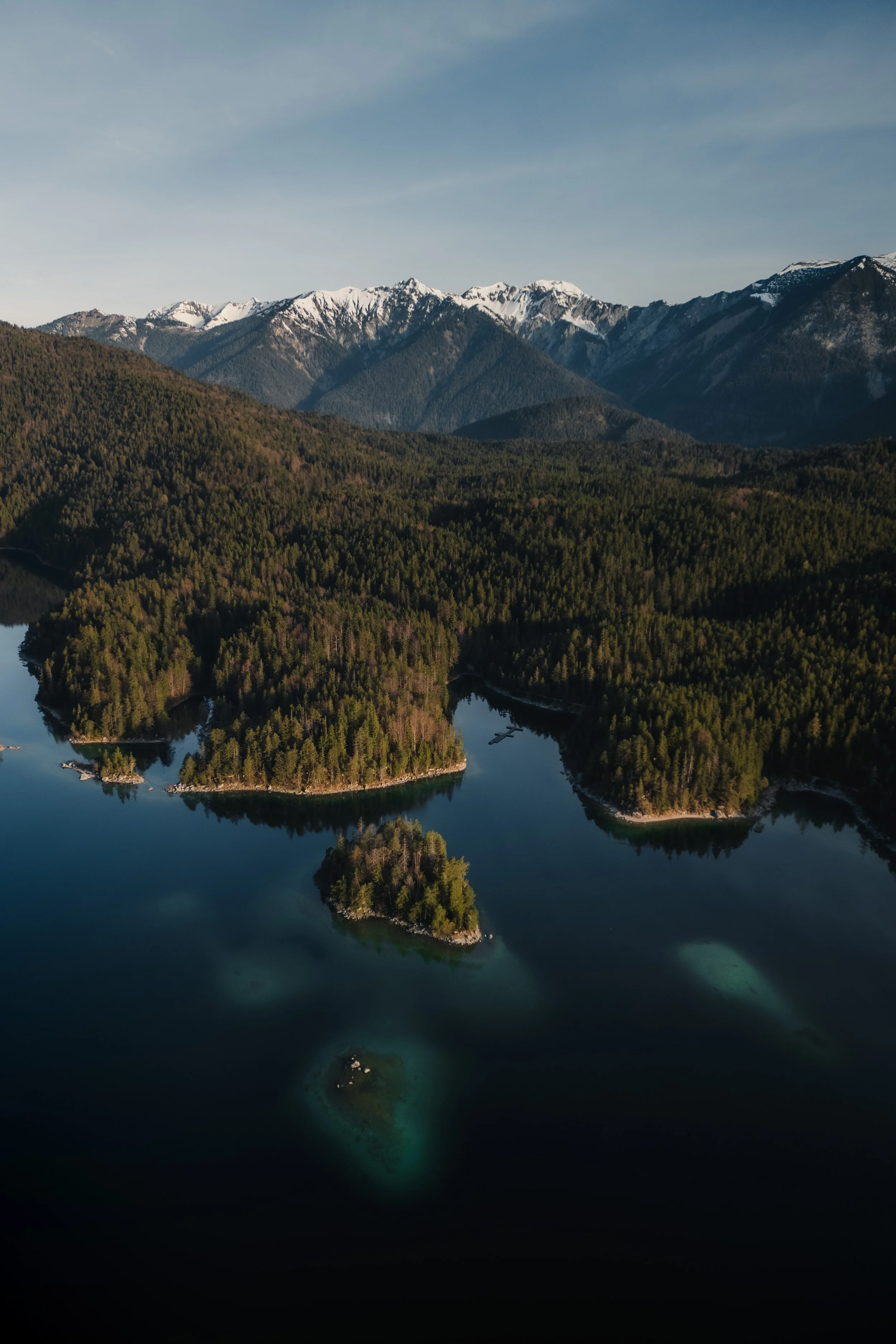
Lightroom Editing: Before and After - Eibsee, Germany
This Eibsee photo was edited with a focus on calm contrast, natural colors, and soft depth. By carefully balancing highlights, shadows, and color grading, the image keeps its quiet alpine atmosphere while gaining clarity and structure.
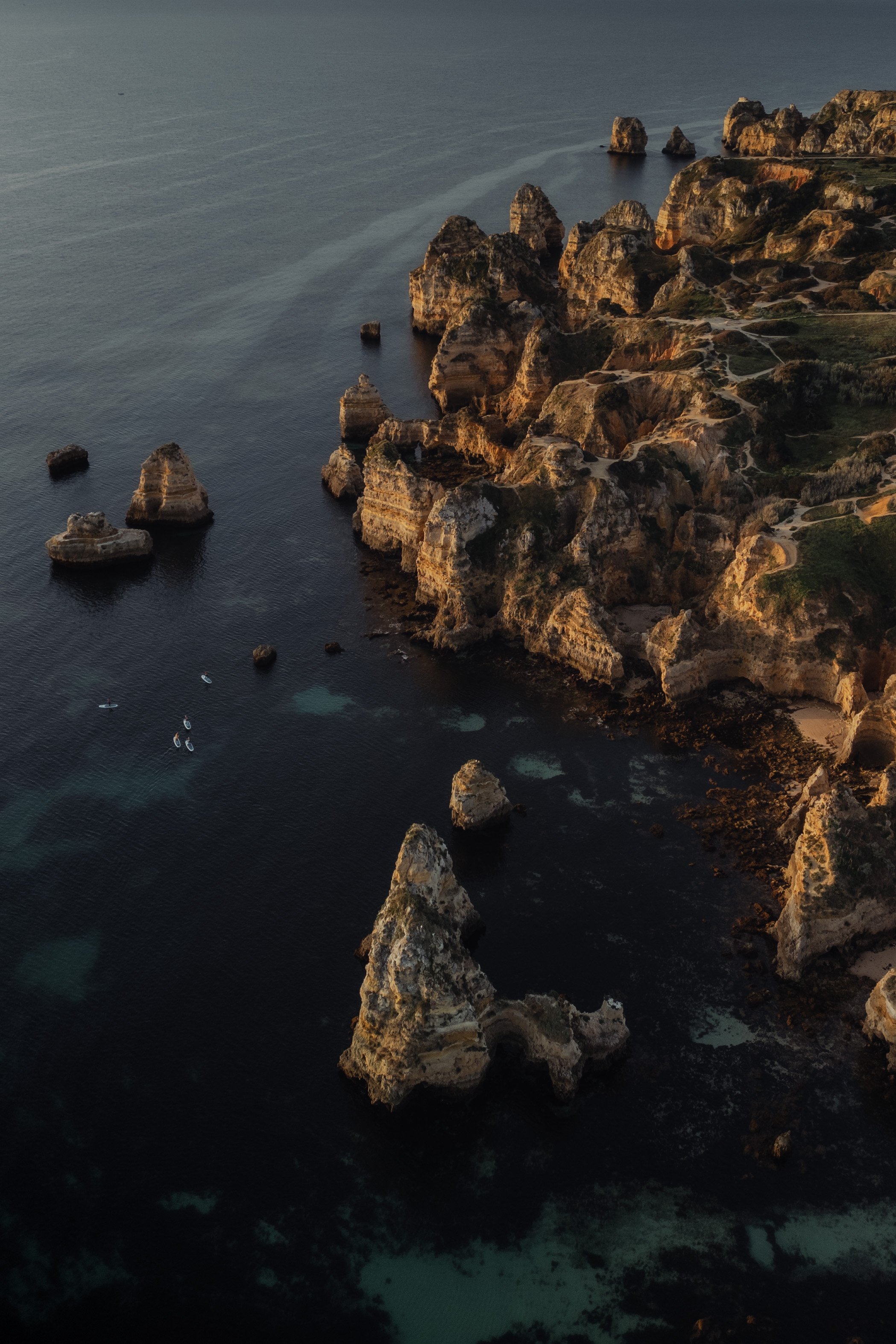
Lightroom Editing: Before and After - algarve coast
This before & after edit from the Algarve coast shows how subtle Lightroom adjustments can transform a flat coastal image into a calm, cinematic scene. By shaping light, deepening ocean tones, and carefully balancing color, the edit brings depth and quiet presence to the landscape without overpowering its natural atmosphere.

Lightroom Editing: Before and After - indoor hotel scene
A quiet indoor scene from Italy, edited with soft contrast, restrained colors, and warm light. This article explores how subtle Lightroom adjustments can transform documentation into atmosphere.

Lightroom Editing: Before and After - Coast Mallorca
This Lightroom edit from Mallorca focuses on creating a calm cinematic coastal mood. By balancing exposure, shaping contrast, and refining color tones, the image gains depth and atmosphere without losing its natural softness. A step-by-step look at how subtle adjustments can turn a bright coastal scene into a quiet, emotional photograph.
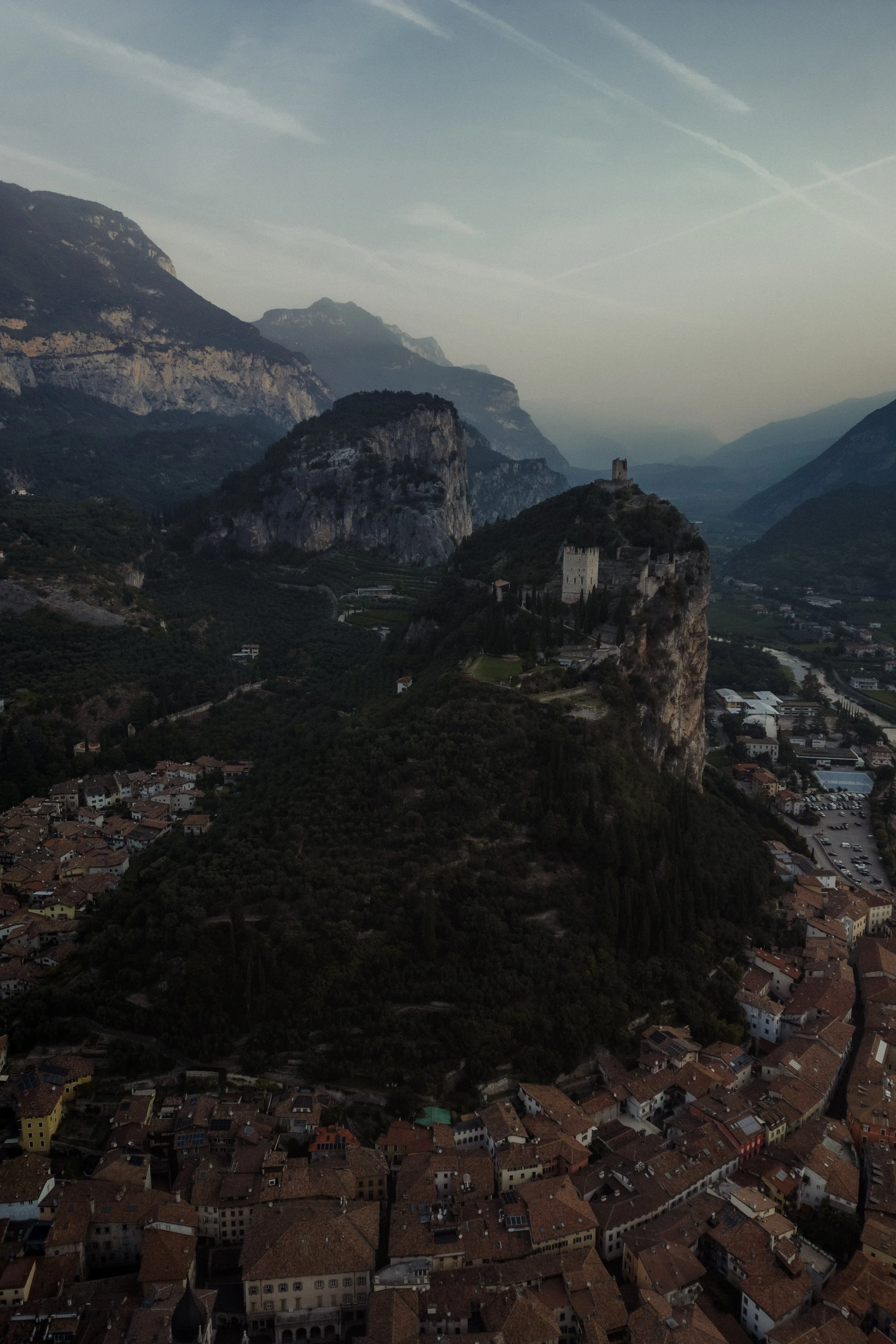
Lightroom Editing: Before and After: Arco, Italy
A calm before-and-after edit from Arco, Italy — showing how a flat RAW file transforms into a warm, atmospheric landscape. I walk through every step of the Lightroom process, from exposure and tone curve to detailed HSL and color grading adjustments.
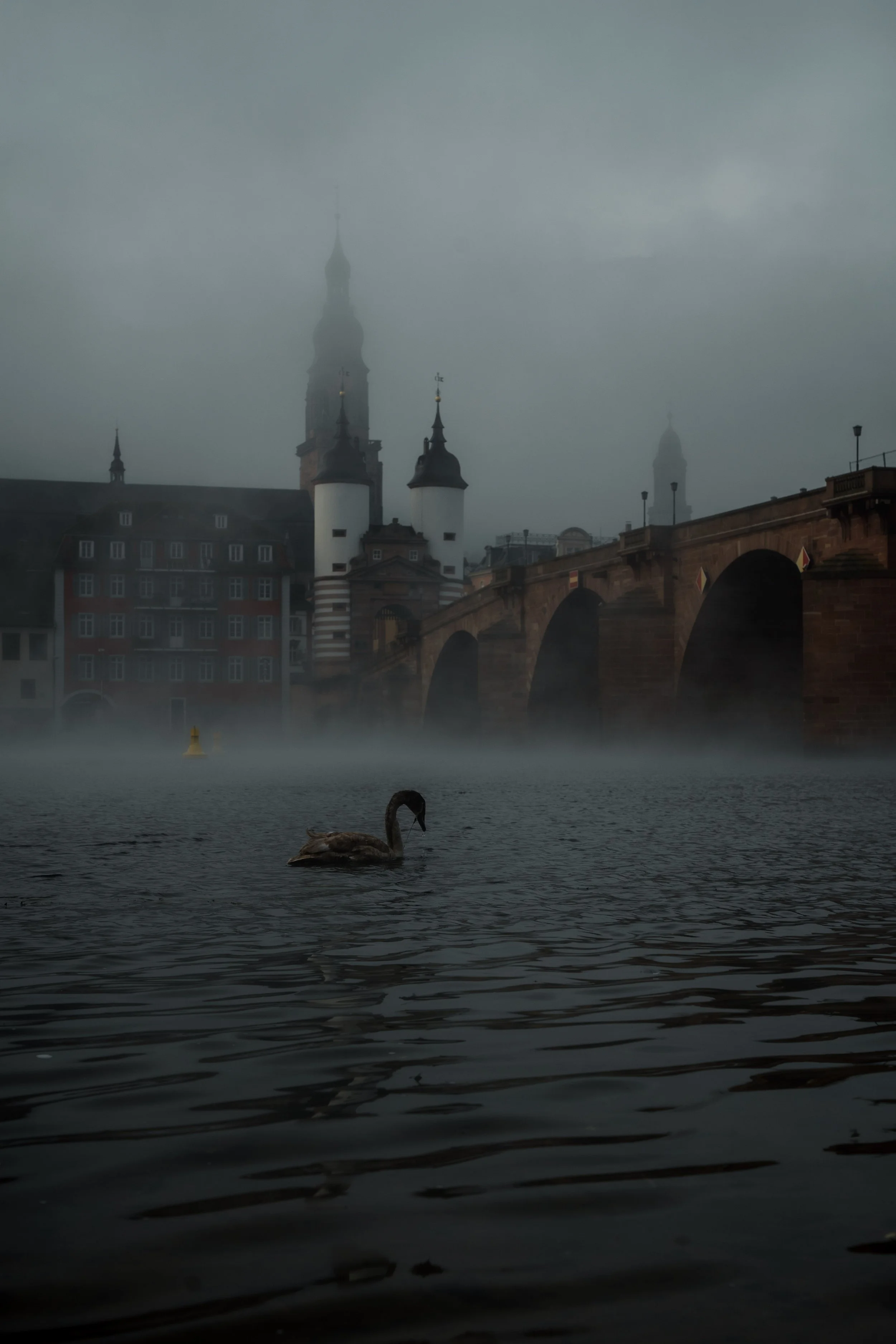
Lightroom Editing: Before and After: Heidelberg, Germany
A foggy morning at Heidelberg’s Old Bridge — shaped with soft highlights, deep cool tones and a cinematic calm. A Before/After edit that preserves the mist while adding balance, depth and atmosphere.
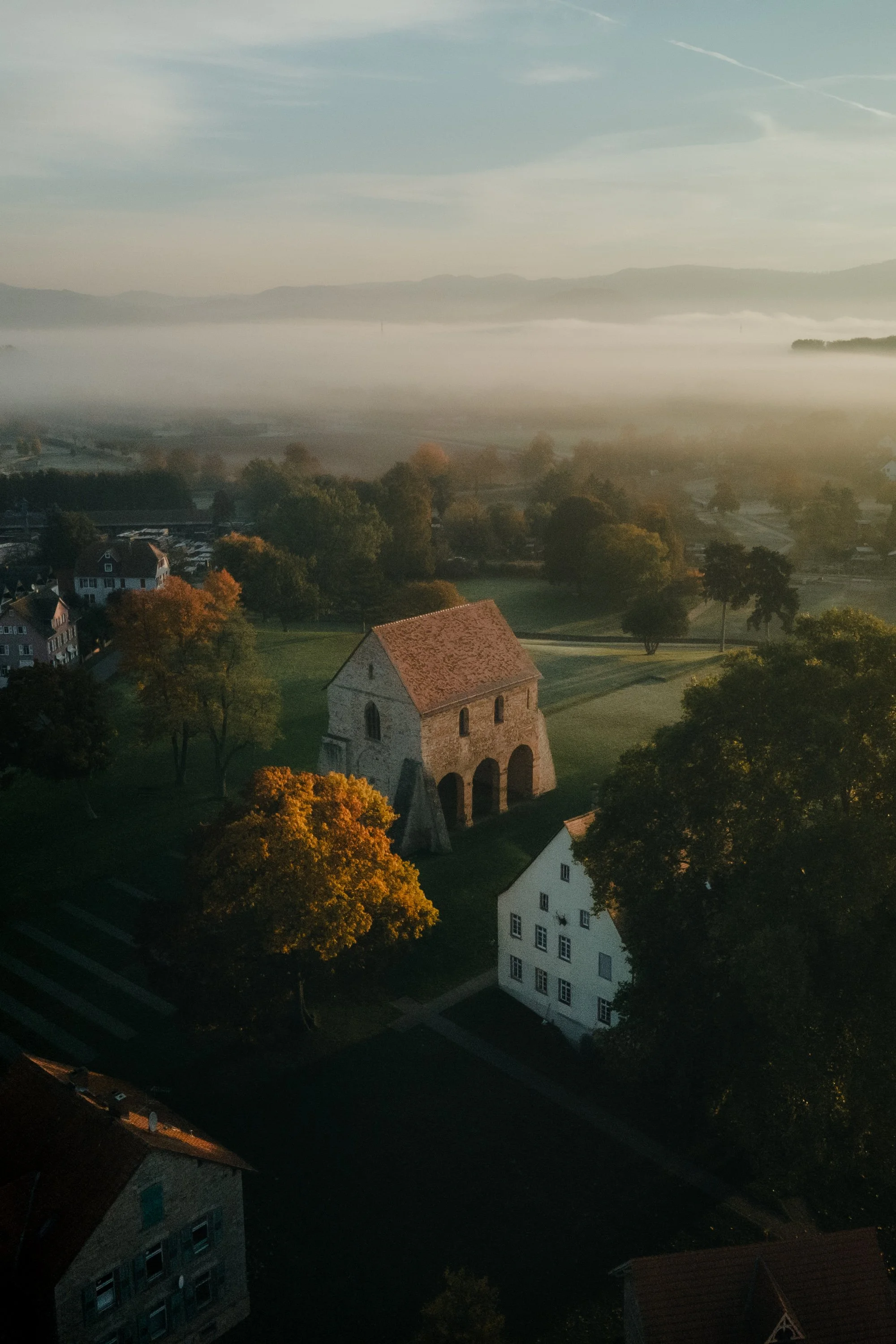
Lightroom Editing: Before and After: Lorsch Abbey
A warm, atmospheric Lightroom edit of Lorsch Abbey at sunrise: lifted shadows, soft golden tones and refined color grading reveal the calm mood of an early autumn morning.