How to Find Your Own Editing Style
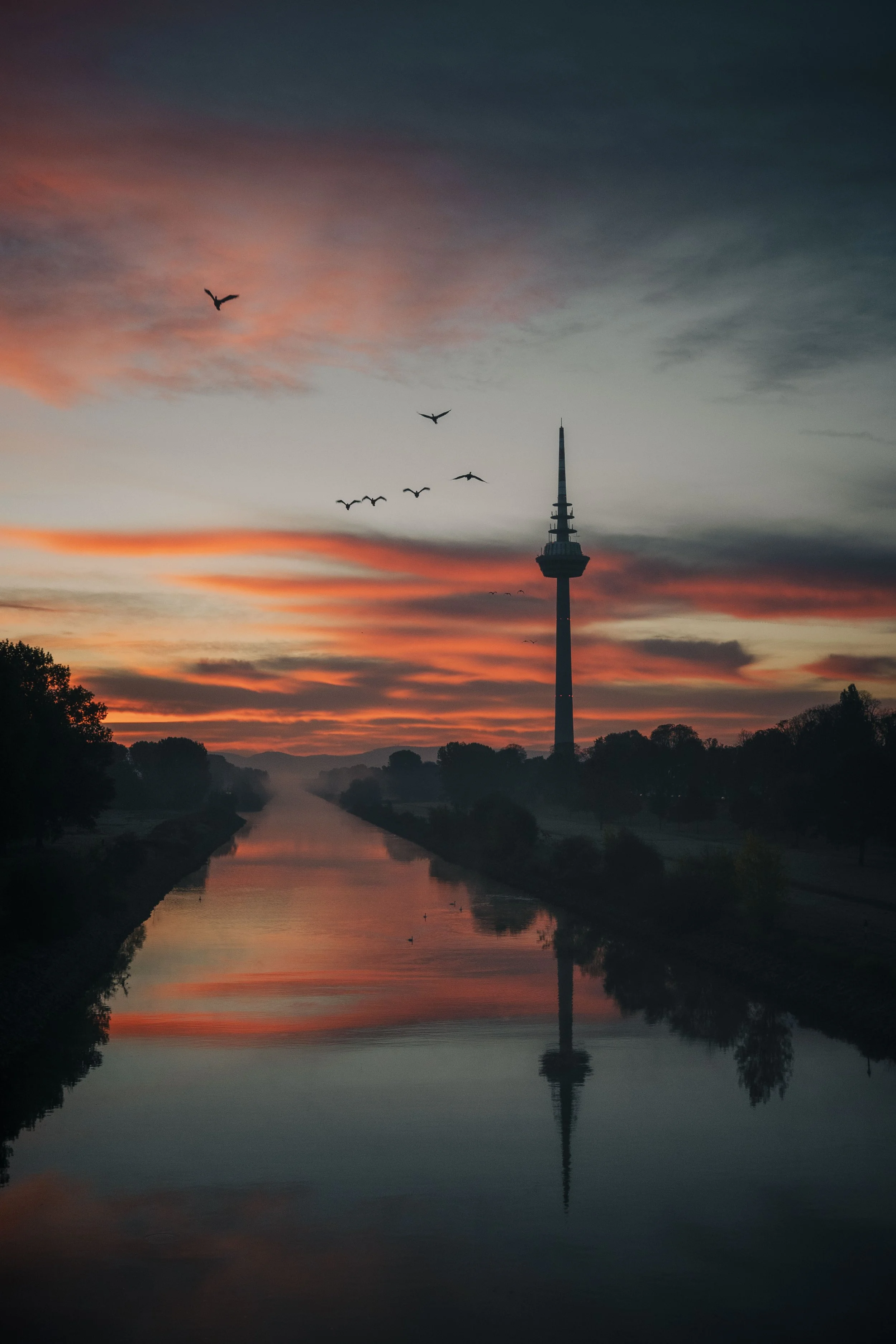
One of the most common questions in photography is:
“How do I find my own editing style?”
For a long time, I thought the answer was hidden somewhere inside Lightroom.
Maybe I needed better presets. Maybe I needed a stronger color palette. Maybe I simply had not discovered the right editing technique yet. Today, I think the answer starts somewhere completely different. Because before you can develop an editing style, you first need to understand what you are naturally drawn to. And that has much less to do with Lightroom than most people think.
Stop Looking at What You Like. Start Looking at What You Return To
Most photographers know which images they admire. But that is not always the same thing as knowing which images truly resonate with them. There are photographs that impress us for a few seconds. And then there are photographs we return to again and again.
The second group is usually much more interesting.
If you look through your saved images, your favorite photographs or even your own portfolio, you will often notice patterns. Not because you planned them. But because certain things keep pulling your attention back. The images that shape your style are rarely the ones that impress you once. They are the ones you never seem to forget.
Pay Attention to What You Photograph Naturally
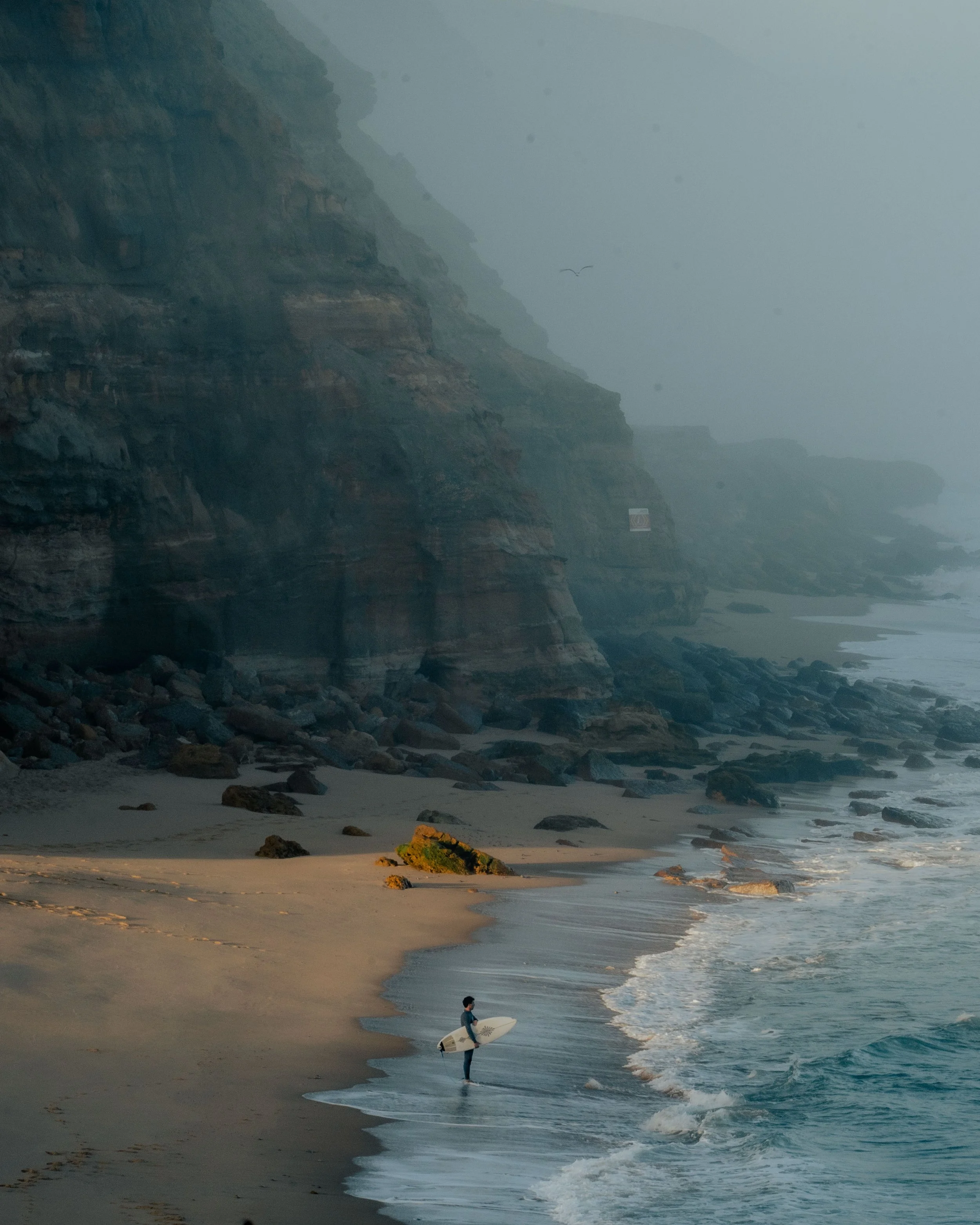
One of the easiest ways to discover your style is to stop looking at your editing for a moment and start looking at your photographs. What do you repeatedly choose to photograph?
Not what you think you should photograph.
Not what performs best online.
Not what is currently trending.
What do you genuinely enjoy photographing?
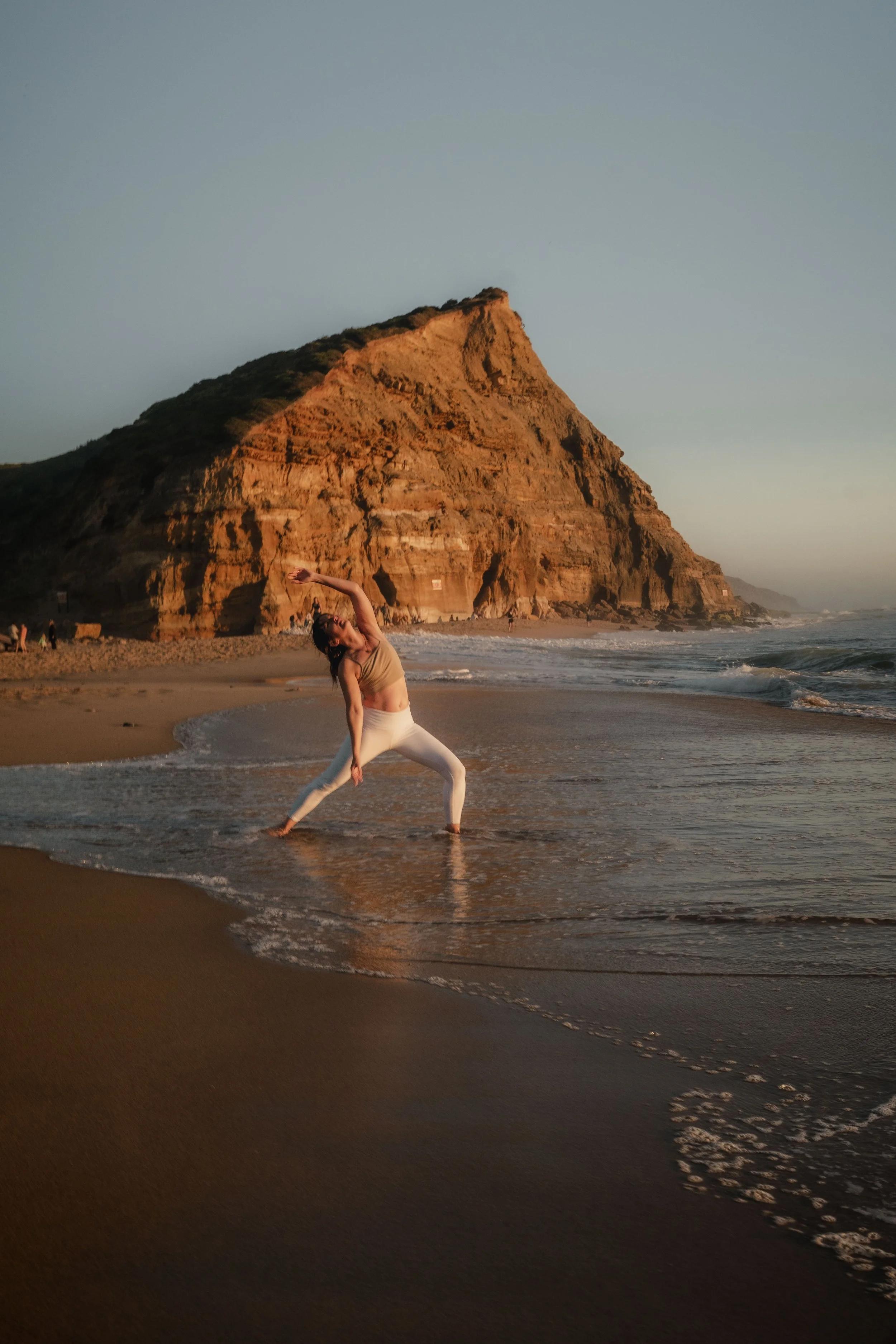
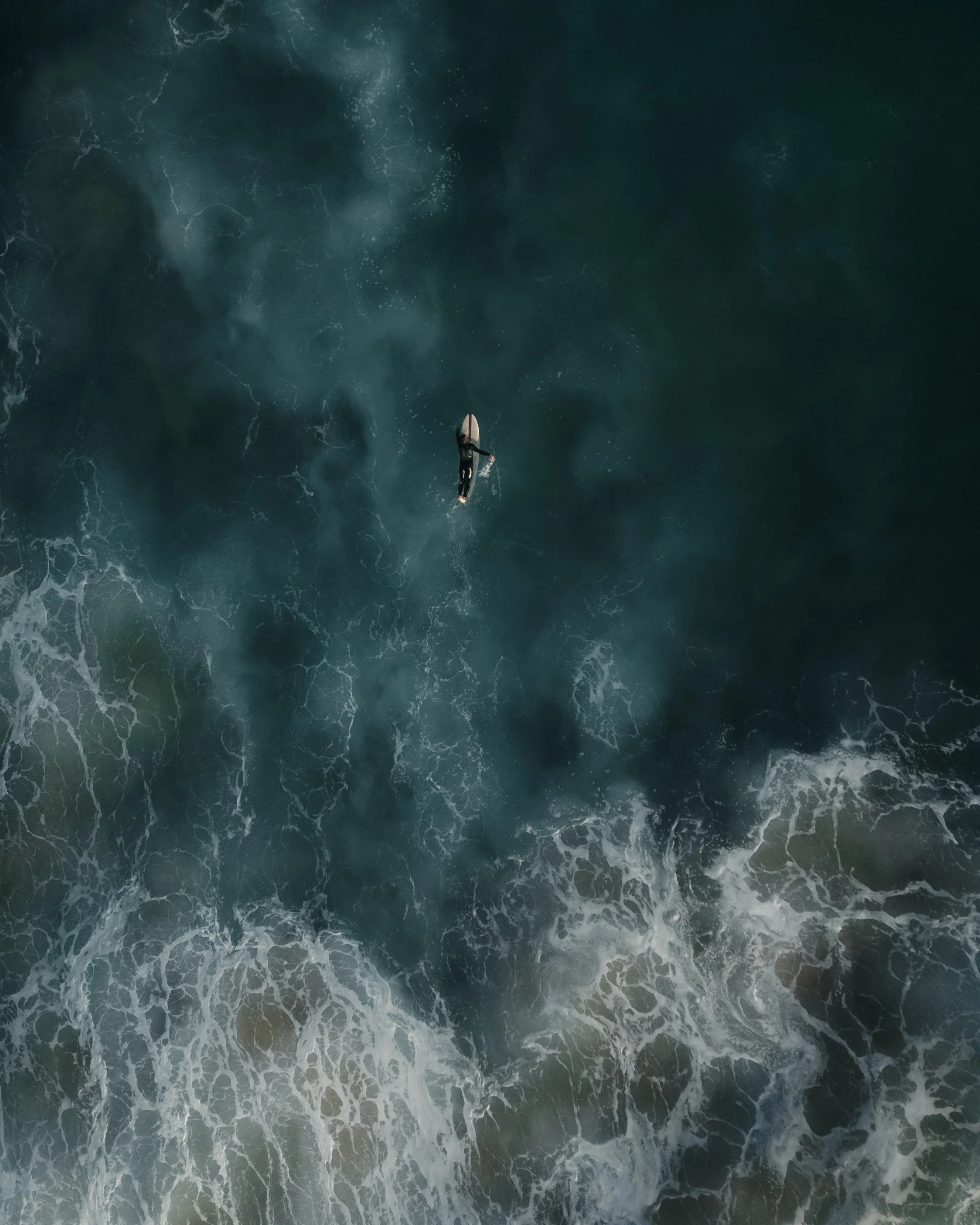
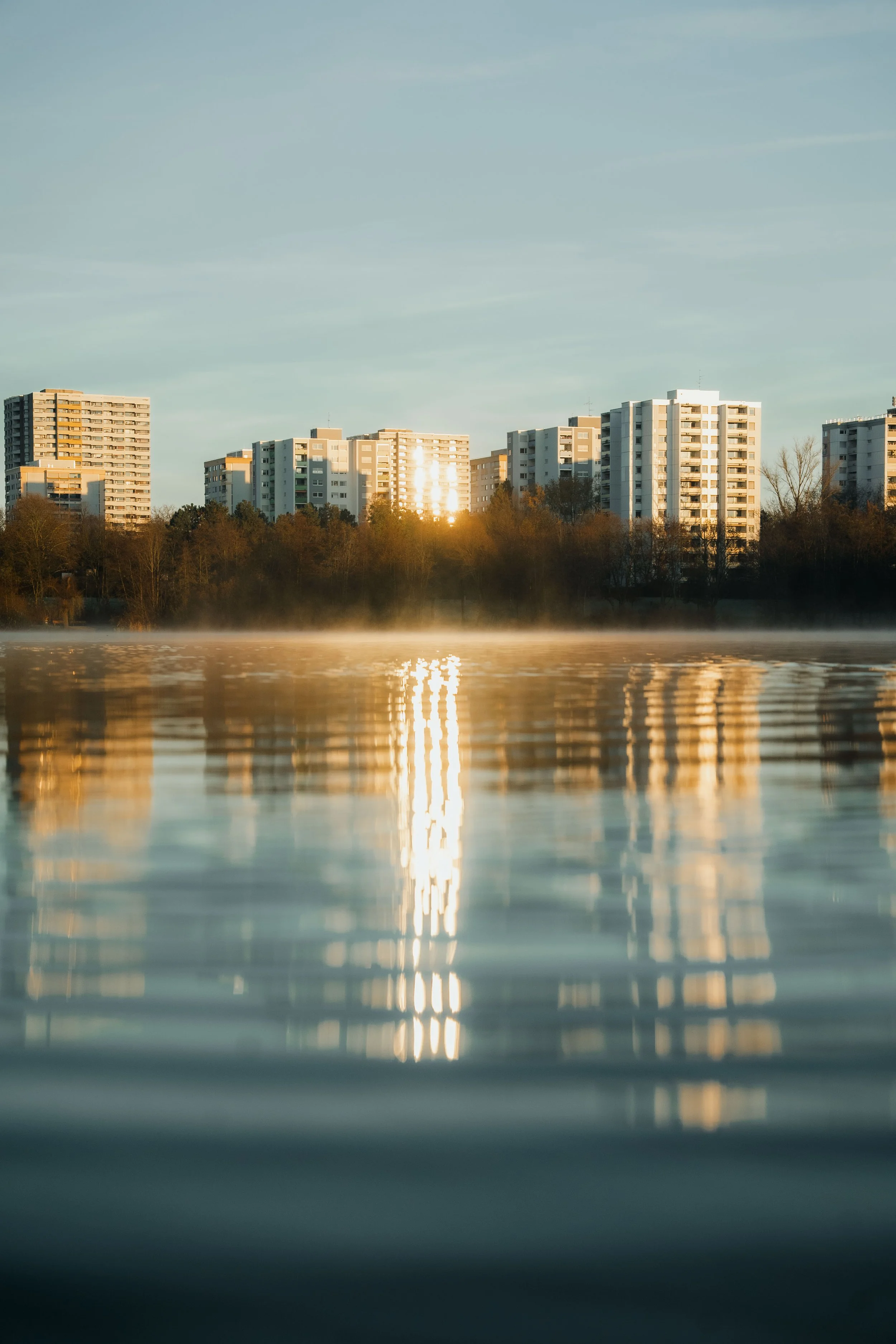
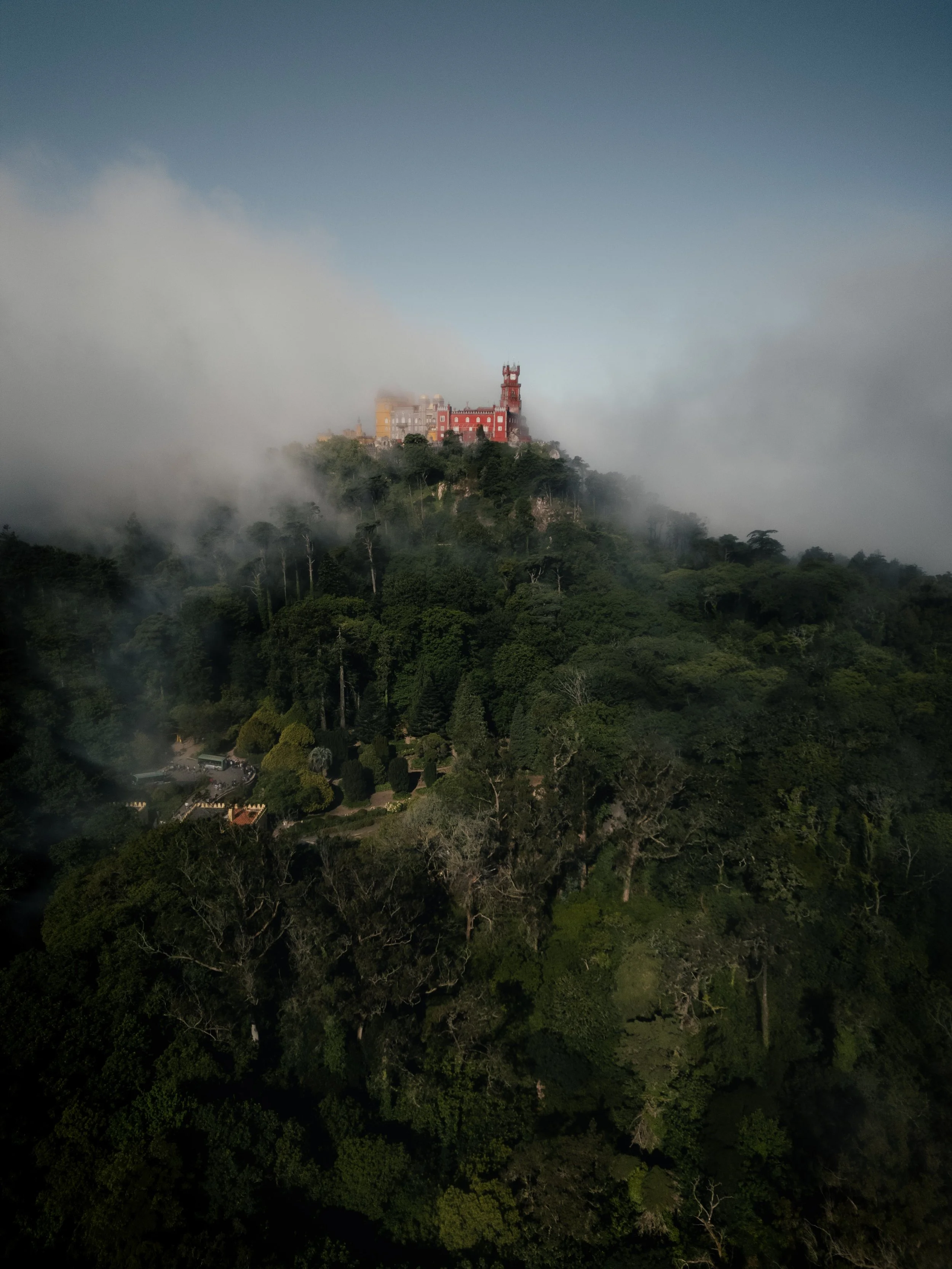
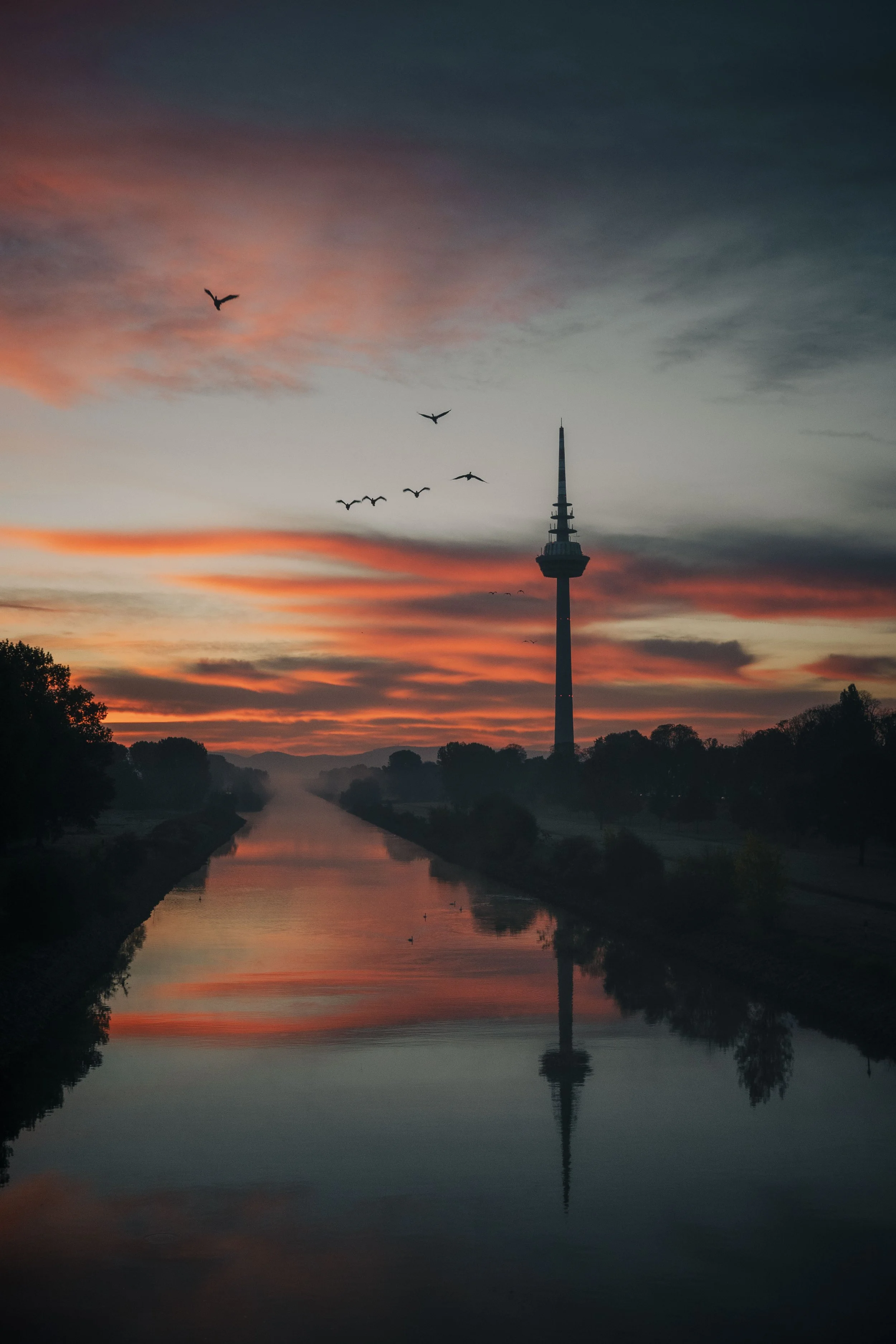
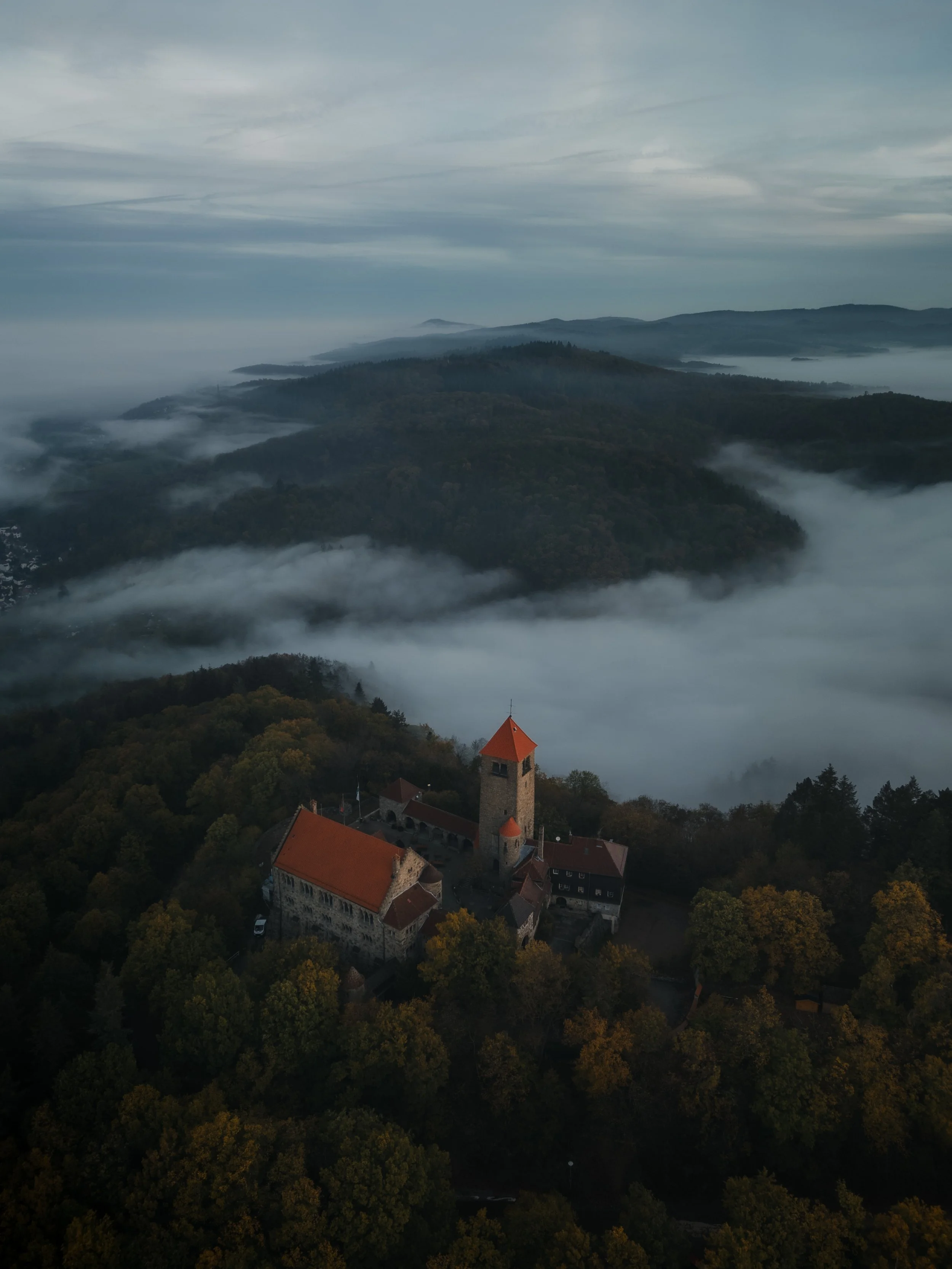
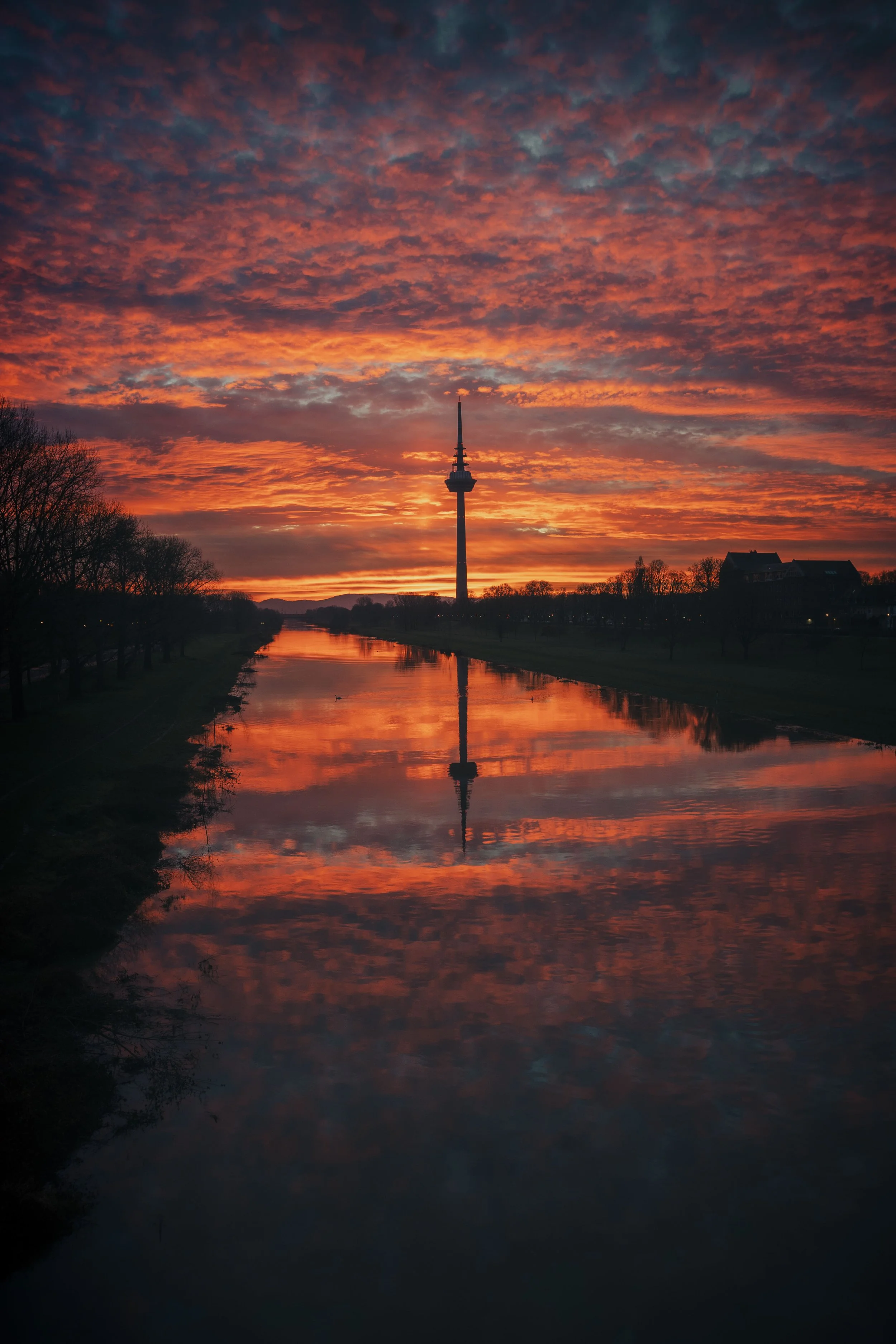
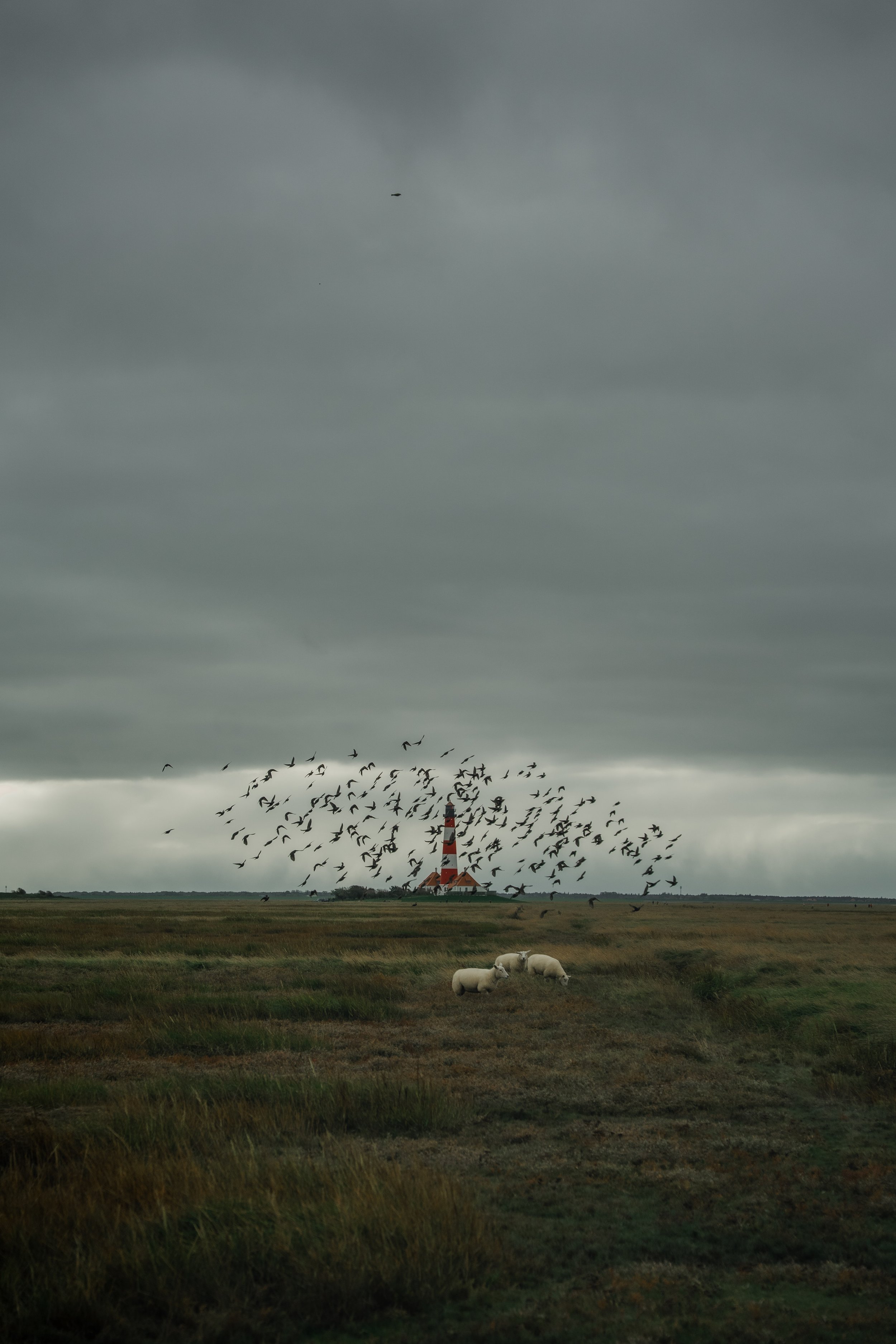
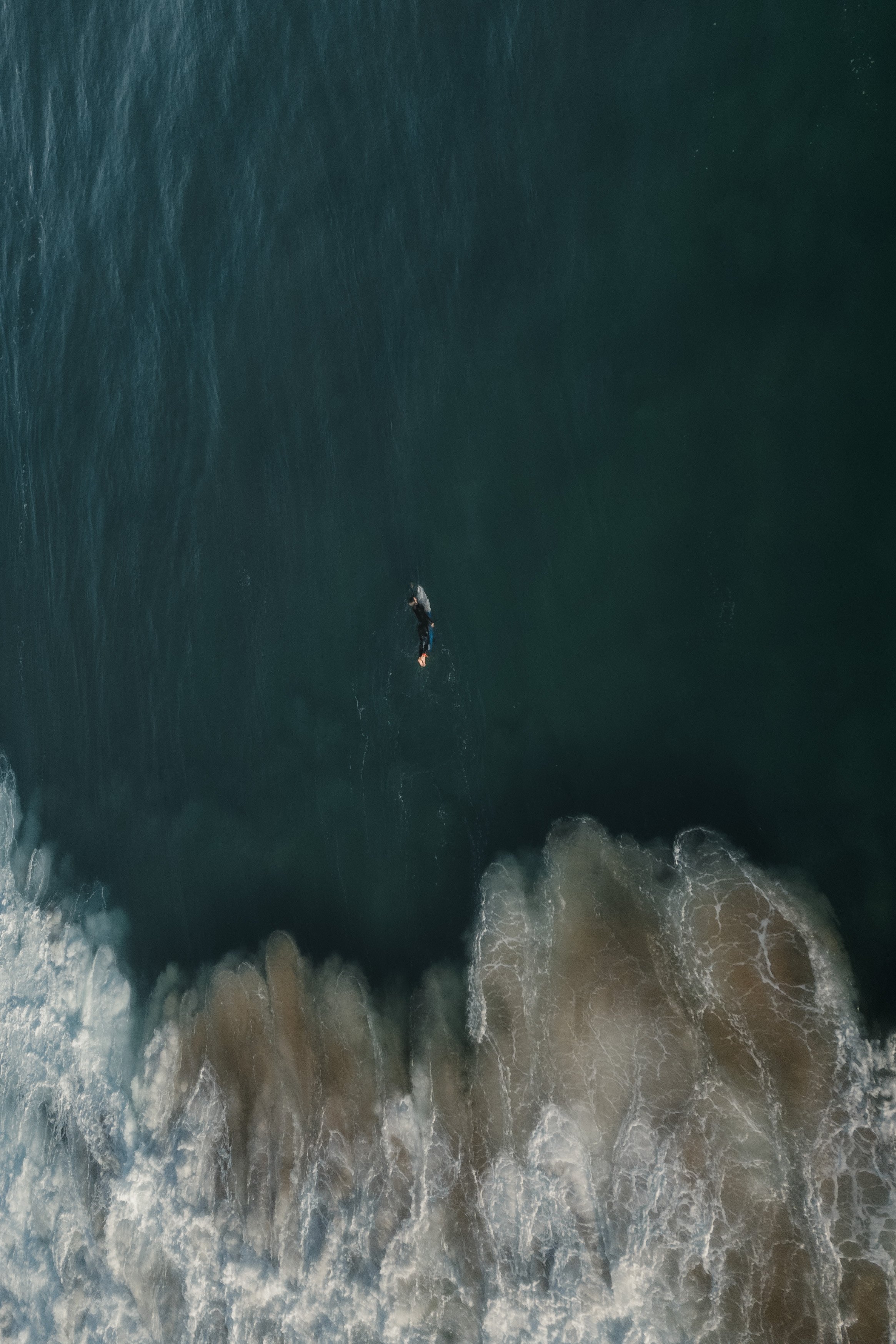
For me, certain patterns started appearing over and over again. Soft morning light. Quiet landscapes. Atmospheric weather. Water. Space. Calmness. I never consciously decided that these things would become part of my style. I simply noticed that I kept returning to them.
Your Preferences Matter More Than You Think
Many photographers assume style is created through editing. But often it starts with preference.
Do you like wide-angle images or compressed telephoto scenes?
Do you prefer dramatic contrast or soft transitions?
Do you enjoy photographing in direct sunlight or on cloudy mornings?
Are you drawn to symmetry, diagonal lines or open compositions?
Do you love backlight or avoid it?
There are no correct answers. The goal is not to justify your preferences. The goal is to notice them. You do not always need a reason for why something resonates with you. But you should be honest about what actually does. Because every preference becomes a clue. And enough clues eventually begin to reveal a style.
The Instagram Trap
This is where things often become difficult. Social media rewards attention. Your style develops through authenticity. Those two things sometimes overlap. But not always. Some photographs perform well because they are dramatic, colourful or immediately eye-catching. And there is nothing wrong with that. But there is a question that helped me more than almost any editing technique:
“Would I still love this image if nobody else ever saw it?”
The answer can be surprisingly revealing. Because some images are successful online. And some images feel deeply personal. Sometimes they are the same image. Often they are not. The longer I photograph, the more I believe that style develops when we stop chasing reactions and start paying attention to our own responses instead.
Look for Patterns, Not Rules
One mistake many photographers make is trying to define their style too early. They decide: “My style will be cinematic.” “My style will be moody.” “My style will look like this photographer.” But style rarely works that way. Most styles are discovered before they are defined. The better approach is to look for patterns.
What keeps appearing in your work?
What keeps appearing in the images you love?
What kinds of scenes make you want to pick up your camera?
The answers are usually already there. You just have to notice them.
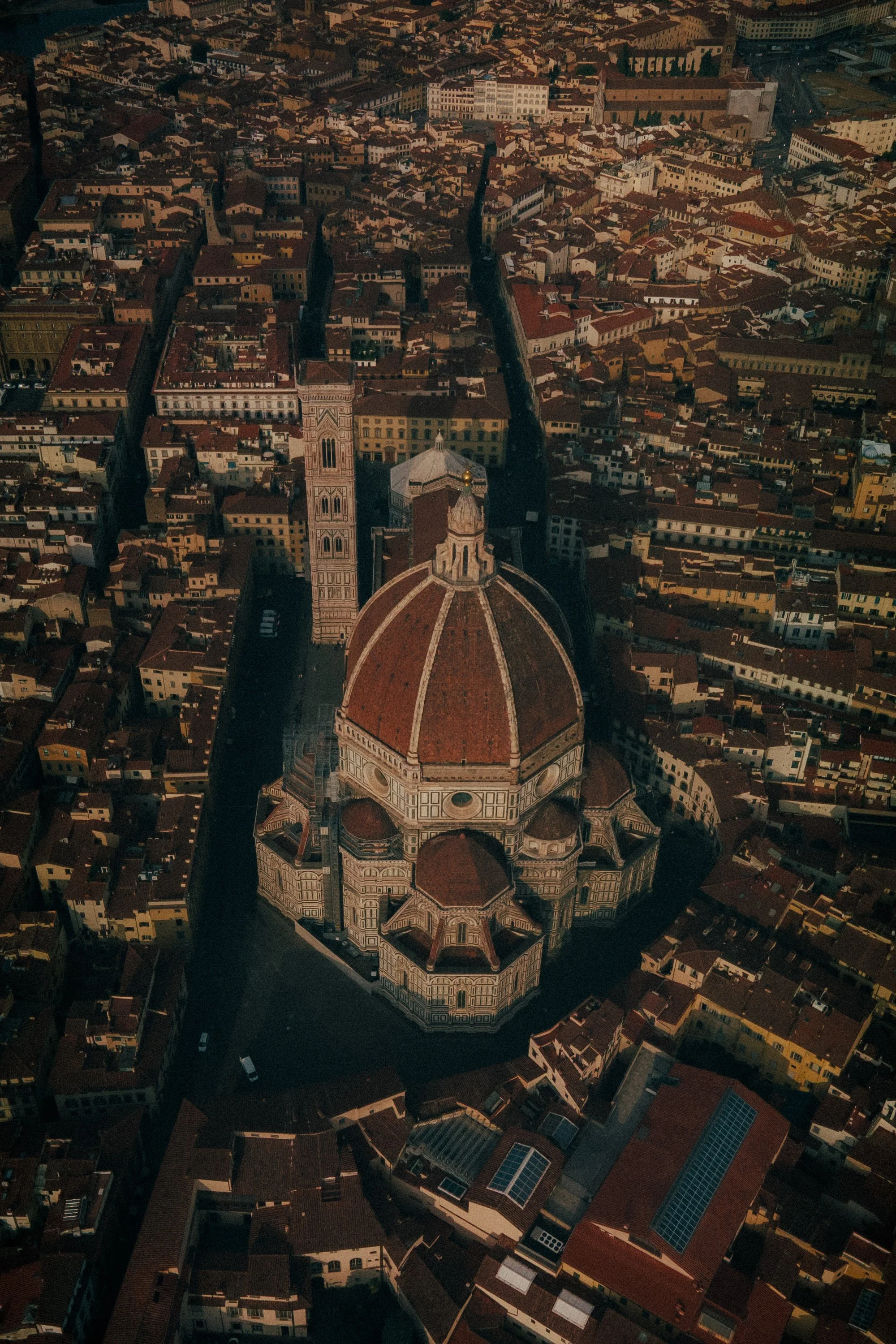
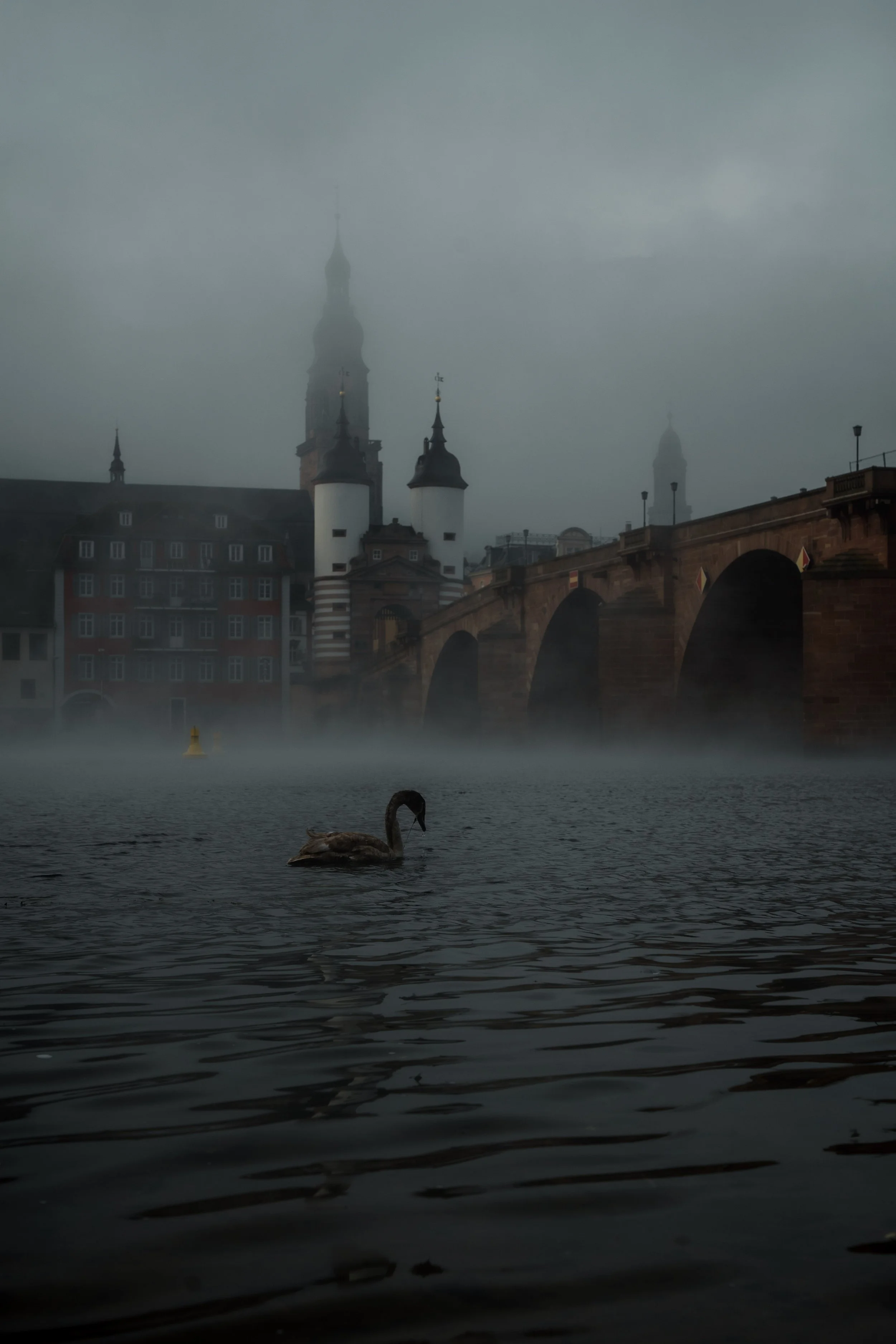
Editing Is Part of the Process Too
None of this means editing is unimportant. Quite the opposite. Editing is where many photographers learn to strengthen the things they care about most. Every adjustment you make reflects a decision.
You decide whether a scene feels warm or cool.
You decide how much contrast feels right.
You decide whether colors become softer, brighter, richer or more restrained.
Over time, those decisions become part of your visual identity. But editing is not only a way to express a style. It can also be a way to discover one. Sometimes you only realise what you truly enjoy once you start working on an image.
You may notice that certain lighting situations repeatedly frustrate you. Or that some photographs become easier and easier to edit because they already contain the qualities you are naturally drawn to.
For me, editing often became a form of reflection. It helped me understand which kinds of light, atmosphere and visual balance felt right to me and which ones did not. Photography and editing rarely develop in isolation. They constantly inform each other. You do not need to fully explain your style in order to develop one. Sometimes it is enough to notice the patterns before you understand them. The important thing is that the editing supports what genuinely resonates with you rather than compensating for uncertainty. Editing does not create your style from nothing. But it helps you refine and express it more clearly.
Your Style Is Already Closer Than You Think
Many photographers search for their style as if it were something hidden somewhere in the future. I used to think that too. Today, I believe most people already leave clues throughout their work.
The images they save.
The light they wait for.
The places they revisit.
The compositions they repeat.
The emotions they are drawn to.
Style often appears long before we know how to describe it. The challenge is not creating it. The challenge is recognising it.
And once you start paying attention, you may realise that your style was never something you needed to invent. It was something you were slowly discovering all along.
Why Most Lightroom Presets Fail or Why Most People Edit Colors Too Early in Lightroom.
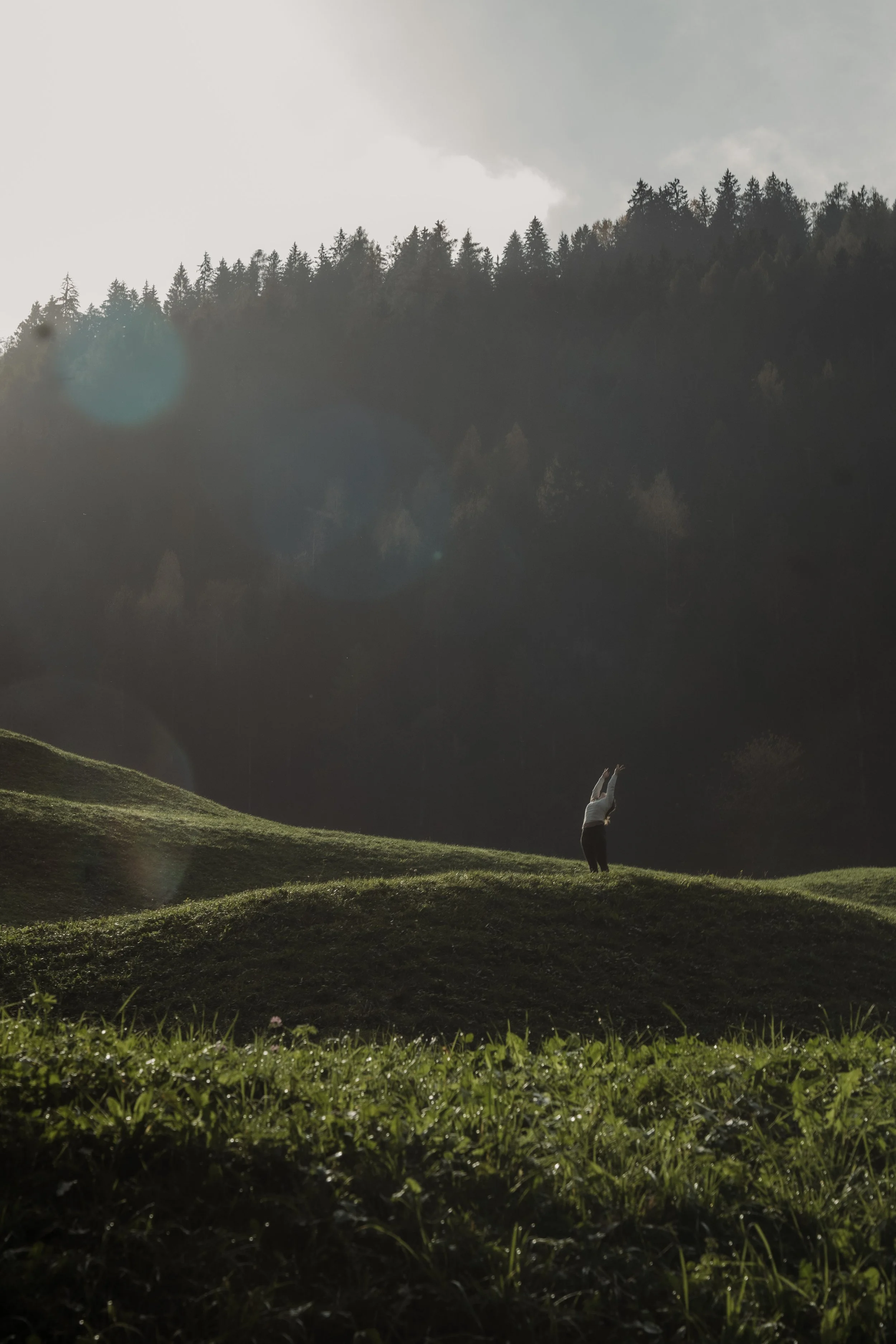
At first, starting a Lightroom edit in black and white may seem counterintuitive. After all, most of us care deeply about color. Yet removing color for a moment can reveal something more important: the light, balance and structure that hold an image together. In this article, I explain why I still begin many edits in black and white and how this simple approach changed both my editing workflow and the way I photograph.